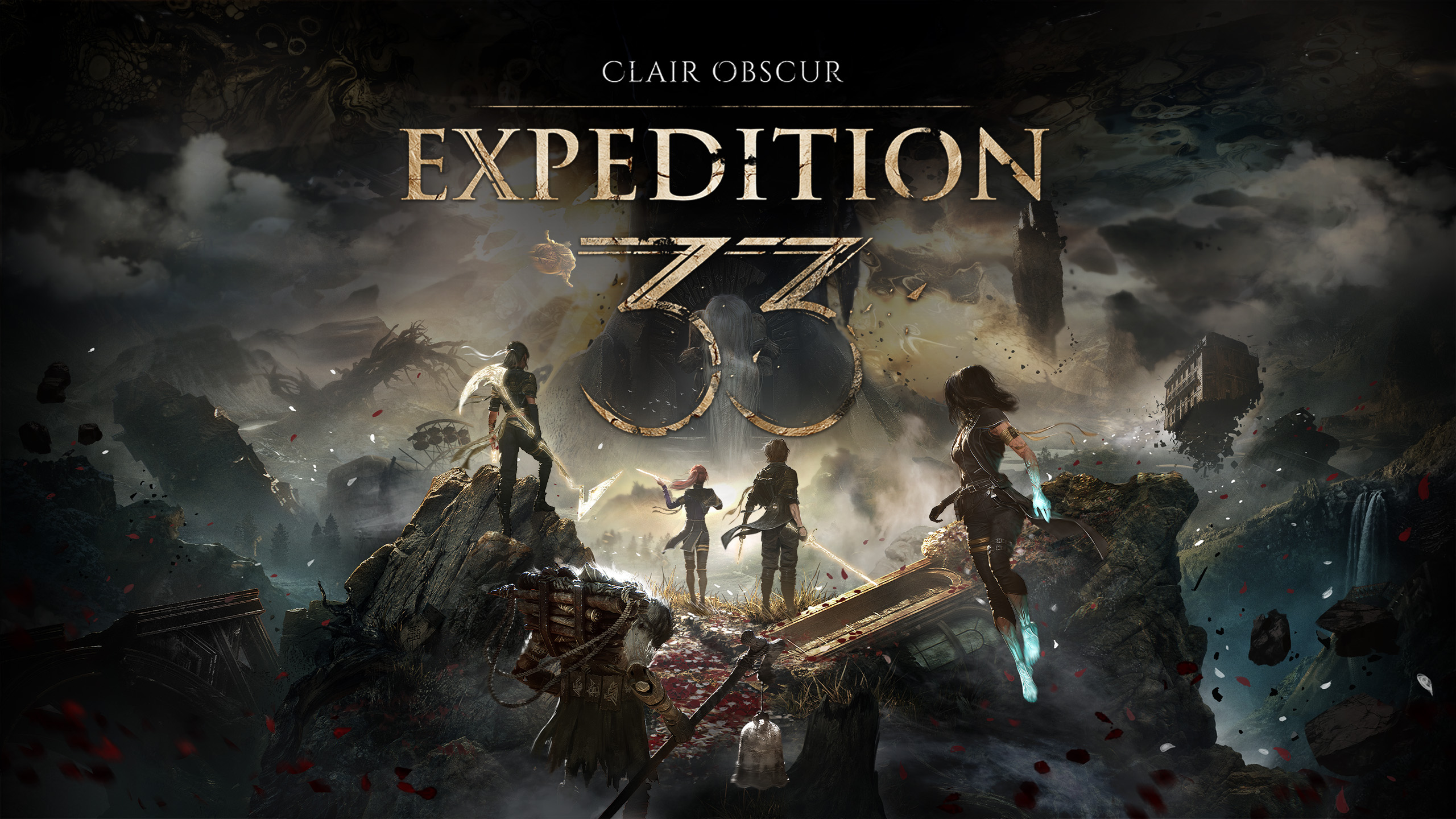
TOP GAMES OF 2024

And with that, 2024 comes to a close. Not a moment too soon, many may argue, and understandably so! Wherever you live, whatever you do for a living, it often felt like there wasn’t much to get excited about, to say nothing of 2025 creeping around the bend. But with that New Year comes an occasion for hindsight, and with rose-tinted glasses equipped, I found there was actually an abundance of great games which dropped over those 366 days. I didn’t have a chance to make my way through some folks’ favorite titles, like Metaphor: ReFantazio or FFVII Rebirth, but among those I did, a select set stood out as especially exciting, addictive, or otherwise unforgettable. These are…. my Top Ten Games of 2024.

If you were to program an interactive museum of everything broken about American pop culture—obscene production budgets, gambling disguised as loot boxes, stories whose moral starts at “might” and ends at “makes right”—it’d look like Call of Duty. Having long since mutated from mere shooter franchise to something like a jingoistic Fortnite, I conscientiously objected to the last couple CODs, if not for their ethics then just for what a hassle it is to dig any given story mode out from beneath layers of launcher menus and juvenile DLC promos. But then a certain subseries reemerged from the shadows—with an unprecedented same-day Game Pass drop, no less. I don’t do multiplayer or Zombies, but for however brief a time, the campaign for Call of Duty: Black Ops 6 was my guilty pleasure of the year. The lifelike graphics, the taut controls for a suite of combat options, the reckless delirium of positioning serious real-world events alongside tinfoil-hatted sci-fi, the globetrotting level design with setpieces to rival Naughty Dog… like it or not, this is what gaming looks and plays like when the resources of the U.S. military and Activision-Blizzard combine. I wouldn’t call it art, and it’s got nothing to say about politics that might interfere with selling Nicki Minaj costumes, but if you like action media, period, then you owe it to yourself to go dark and accept this mission.

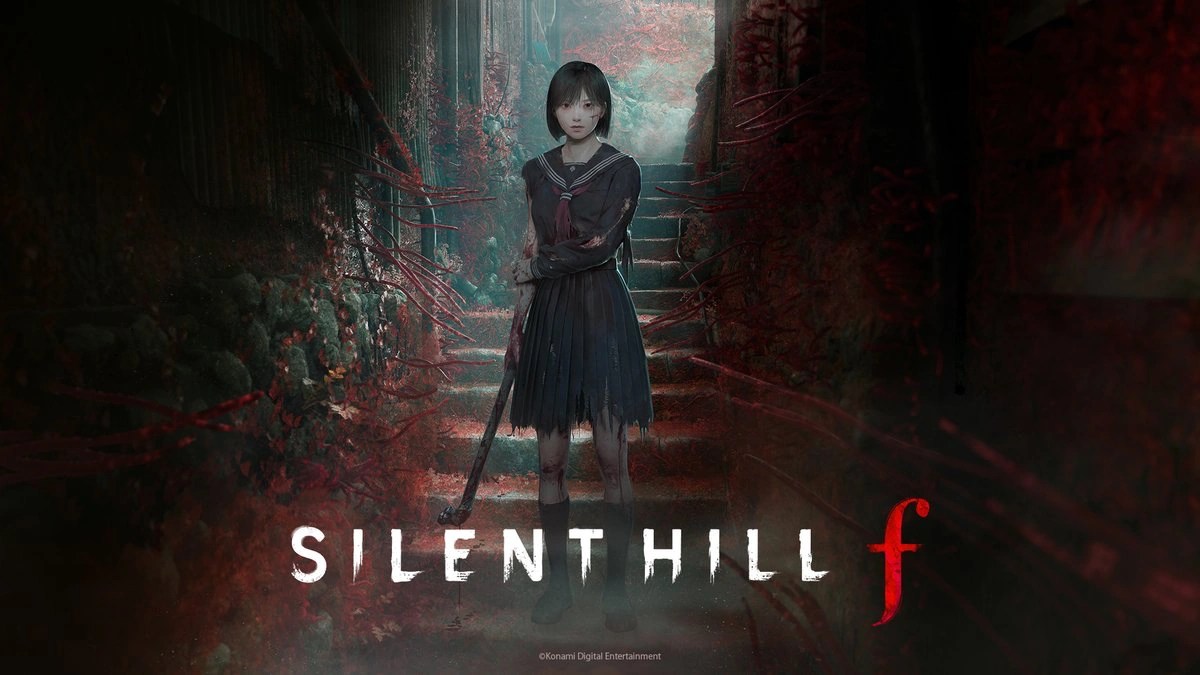
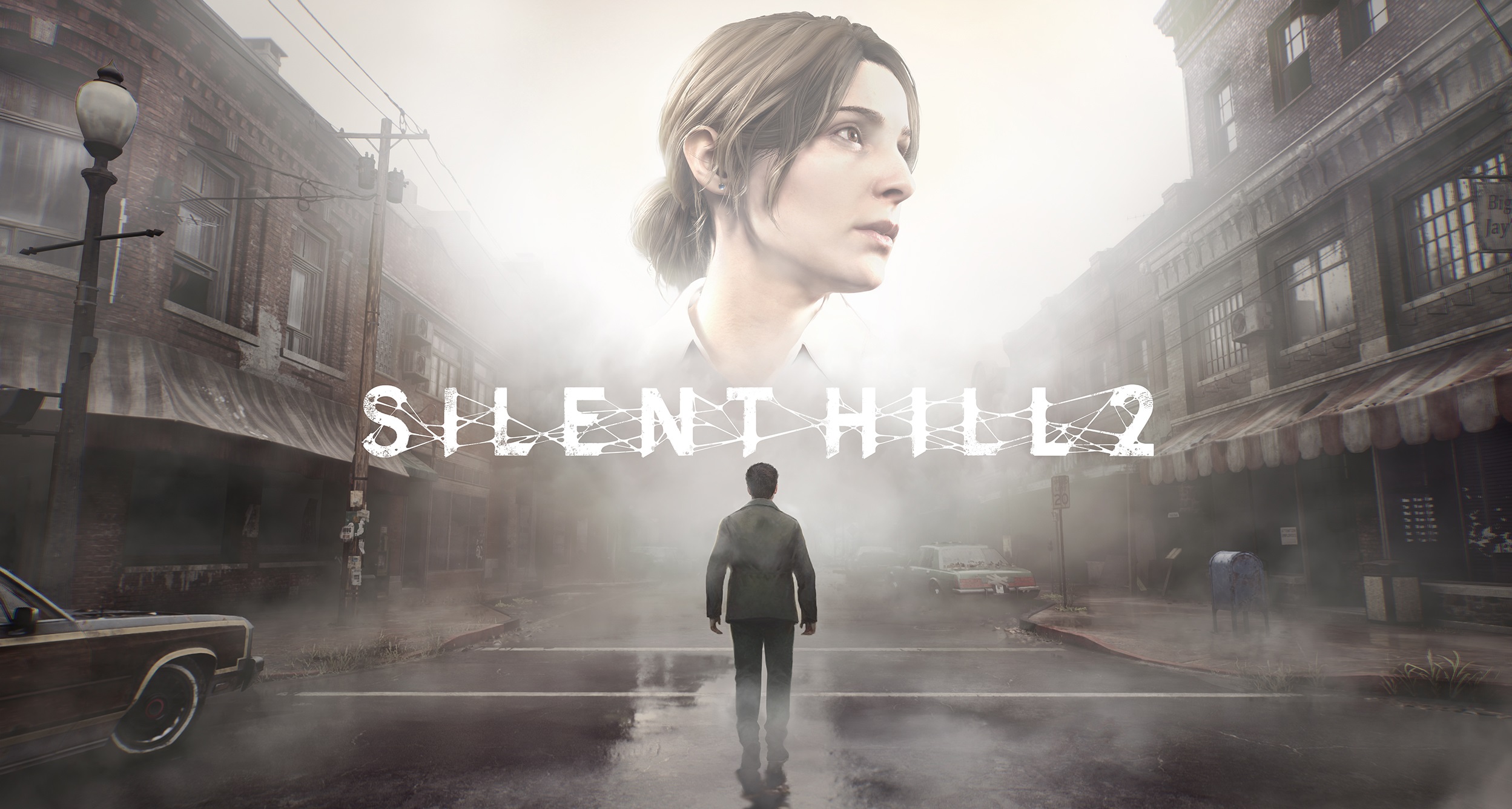
On paper (a stained note lying in an abandoned diner, one must imagine), Silent Hill 2 2024 was going to be a disaster: a remake of one of the most acclaimed titles ever, published by the company that canned a new entry to focus on pachinko and developed by a studio known for tacky rip-offs? Purists indeed scoffed, dismissing the result as too conventional, too fixated on aggro gross-out moments in lieu of the source material’s subtler, more evocative torment. I sympathize with such critiques, and yet it’s been a while since I played a horror game which had me so glued to the red-drenched screen. Calling upon the camera and graphical overhauls by which Capcom modernized Resident Evil 2 through 4, Bloober Team breathe new afterlife into the misty burg while still retaining the pathos and surrealness which distinguished the 2001 original. Combat is responsive yet appropriately haphazard, riddles are tricky yet intelligible, and while I’ve never been all in on Akira Yamaoka’s rock-meets-ambient score, the music remains a nightmarish feast for the ears. There’s just enough familiar to revel in its retooling, and just enough new to keep you on your toes. In my restless dreams, I still see… well, usually me forgetting some nonexistent task at work, but the mystery and metaphorical monsters of that town remain ever-haunting.

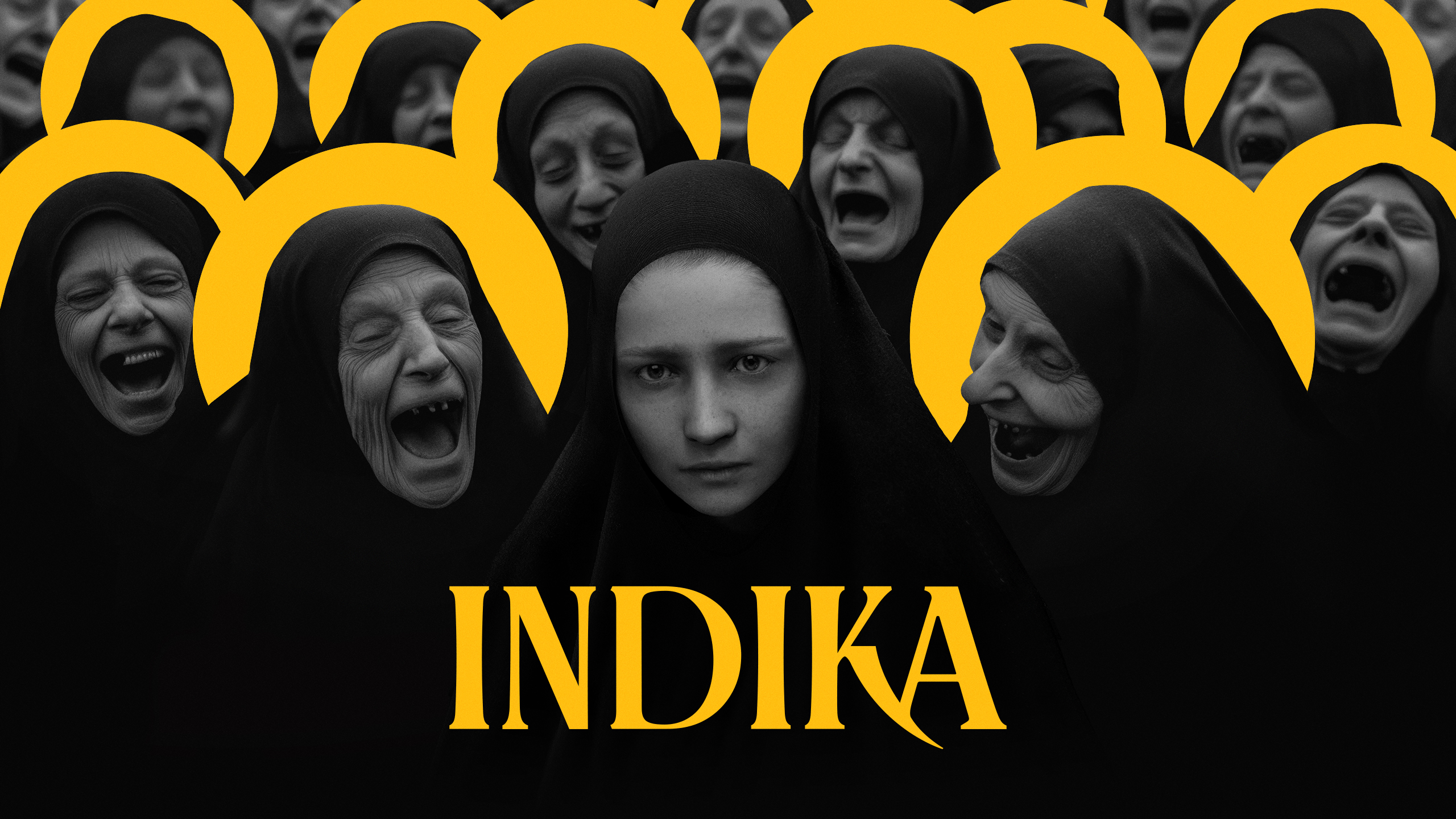
I studied Japanese for a year in college, after which I had to stop when my GPA couldn’t withstand fumbling through a new language. In so doing, I reached a point where I could look at some words and, thanks to the symbolic nature of certain kanji, understand what they meant even if I couldn’t understand what they said. In a way, I feel the same about INDIKA: I think I know what this game is about, but I’ll be damned if I can explain what happens in it. The story of an Orthodox nun booted from her convent to journey across a wartime snowscape, INDIKA whorls walking sim, retro platformer, and horror-puzzler into an experience that’s brief, bizarre, and mature in the truest sense. Grotesque impossibilities, like a factory line of whale-sized fish or our heroine praying to literally fix the world while Satan bullies her, pass by with nonchalance between sober dialogues about faith and human frailty. With an openly irrelevant “points” system and Adult Swim-style asides like a little dancing guy emerging from someone’s mouth, INDIKA’s tone is as inconsistent as its gameplay… but for the few hours it took to complete, I was a believer in its sermons.

If there’s two genres I don’t care for, it’s deck-builders and roguelikes: I don’t like installing software only to pretend to move paper around, and I don’t like banging my head against a wall of randomized assets instead of traveling through a bespoke, immersive world. Consider me shocked, then—even after a whole casino’s worth of outlets heaped awards upon it—that this next entry captivated me so much, so fast, with just days left in the year. “Poker meets solitaire” may be the superficial pitch, but Balatro pulls so many tricks that a physical deck just couldn’t: in addition to your standard 52, there’s the multiplying effects of Tarot cards, Planet cards, Spectral cards, Vouchers, snazzy variants like foil and gold cards, and a whole DC Multiverse worth of Jokers, all in service of one goal: lay down the best hand possible, cash out, and then ante up. Add in a catchy main theme, nostalgic CRT-style visuals, and sound design that eggs you on like a slot machine for just one more run, and you’ve got a game that draws a line from millennia-old gambling to contemporary mobile titles, all without a single microtransaction. It may be more about serotonin than storytelling, but when the chips are down, I’m just straight flush with praise for this one.

The Metroidvania: Obtuse name notwithstanding, it’s among the most prolific of indie subgenres, where smaller studios can do a lot with a little by focusing on labyrinthine side-scrolling in lieu of photorealism. It takes pizzazz to stand out in the scene, then, but solo dev Billy Basso made a name for himself and YouTube goof Dunkey’s new publisher Bigmode this year with Animal Well. With vintage art design enlivened by dazzling lighting effects, and both literal and figurative hidden depths, Animal Well foregoes spectacle in favor of mystery and quiet revelation. Every room is either a captivating fork in the road or a chamber to be cleared by your growing arsenal of endearing tools, from a frisbee to a bouncy ball. As nods to classics like Startropics and Super Mario Bros. 2 acknowledge, Basso knows that color and wonder made the 2D era great, but unlike in the ‘90s, uniting with other players to crack every secret is far more feasible! Can’t say I’m keen to hop on a Discord to literally piece together certain Easter eggs, but the added appeal to community is just one more reason why Animal Well is, well, great.

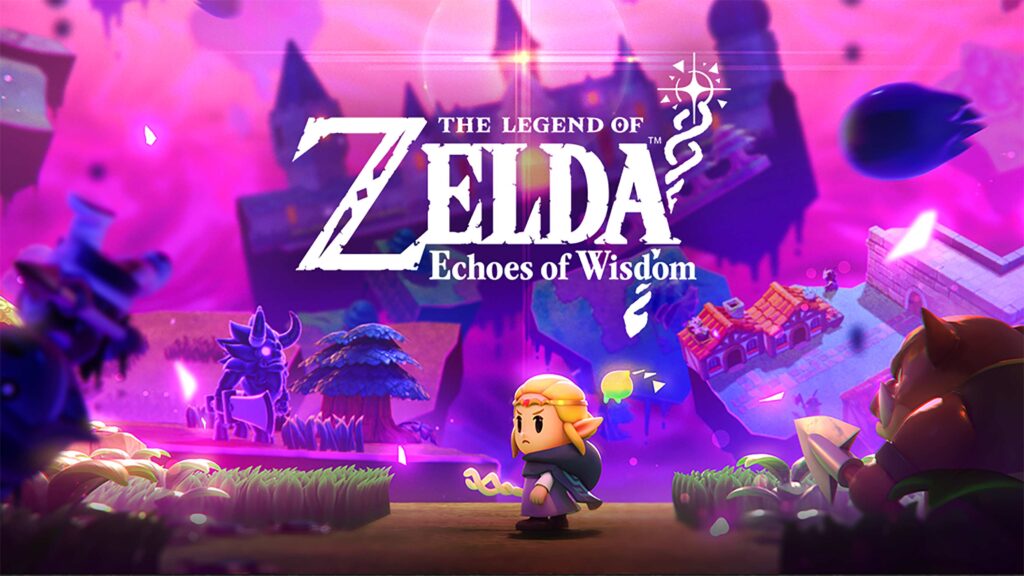
Granted, The Legend of Link doesn’t have the same ring to it, but isn’t it weird how few games set in Hyrule let you play as the character whose name is on the cover? That was until 2024, when Nintendo—fresh off of taking six years to release a Breath of the Wild expansion pack—put out The Legend of Zelda: Echoes of Wisdom! Combining the toylike style of 2019’s Link’s Awakening remake with the anything-goes summoning powers of that last installment, Echoes of Wisdom places players in the shoes of the Princess herself, who must set out with a tiny sidekick to quell the supernatural blight which has ensnared the Hero of Time and much of her land along with him. Per usual, most people and places are remixes of somewhere else in The Timeline, but combining the layout of classic Zelda with modern open-world features like fast travel and mission markers makes this iteration of the kingdom a joy to venture through. The summons menu can be a hassle to navigate, but the sheer number of ways to tackle each puzzle is a marvel of design, and means every player will have a unique journey (me, I often relied on either a staircase of beds or projectile armadillo). I’ve got great expectations for Nintendo’s next full-3D Zelda, but in the meantime, offering this cozy, creative throwback entry was a wise decision.

The Plucky Squire is just plain cute. Many have dabbled in mashing up genres and graphical styles before, but developer All Possible Futures lived up to their name in this debut, where the stars of a children’s book leap off the page after they discover their fictional nature—and the evil wizard who seeks to exploit it. In some levels, you’ll be watching top-down, swapping physical words and flipping pages to proceed like a combination of Baba is You and the home video scene from Spaceballs. In others, our hero will emerge into full 3D, hopping over stray pencils and books to trounce the foes who’ve invaded the bedroom of his biggest fan. In-between it all are hilarious minigames like a Punch-Out-esque boxing match with a badger, a rhythmic duel with a metalhead troll, and a shoot-em-up segment played out around the circumference of a plastic mug. The art design is a cheery delight, the humor is self-aware without ever growing tiresome, and the game never stops adding new, clever ways to interact with your surroundings. With Devolver Digital to rep for them, here’s hoping APF are plucked from obscurity and can produce many more wholesome adventures to come!

Yes, it’s a new game—if AAA slop like Concord can hit shelves as a standalone title only to expire faster than a prepackaged salad, then dozens of hours of engrossing new world design, lore, and battles aren’t disqualified just because they’re behind a “you must git this gud to pass” gate in their predecessor. With that out of the way, Shadow of the Erdtree is FromSoftware’s greatest follow-up content ever, literally filling huge gaps in Elden Ring by transporting Tarnished to a realm hitherto obscured, where the seeds of conflict that’d doom the Lands Between were sewn. A new leveling system centered on scattered collectibles caused some diehards to fuss, but I never minded, because as with my Top Game of 2022 on which it expands, Shadow of the Erdtree isn’t just about dying twenty times to some mournful, mutated madman—it’s about exploration, improvisation, and jolly cooperation. A coastline glittering with neon-blue flowers, an abyss clotted with giant coffins shaped like ships, the Blair Witch-grade horror of stumbling upon an abandoned mansion in the woods… every area competes with every other area as one of the most memorable in not just this game but in any game. Even if I gave up on beating Promised Consort Radahn (though we’ll see about that nerfed version), I adored the dozens more hours I sunk into setting out, sword in hand, to see what treasure or terror awaited over the crest of that hill or at the bottom of that chasm. Now more than ever, Elden Ring is just one of the greatest pieces of fantasy media ever.

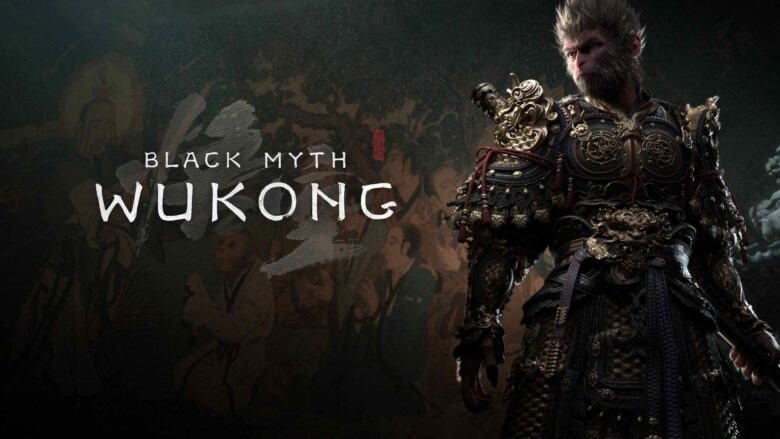
In the centuries since it was penned, Chinese novel Journey to the West has inspired innumerable epics, from Dragon Ball Z to at least one Andy Serkis side gig—even if Westerners themselves may not know it by name. Latest among these adaptions was Black Myth: Wukong, the long-brewing sophomore effort of developer Game Science, which transforms the tale into a gorgeous, high-energy Soulslike. As one does, you’ll be planning a path through gauntlets of foes and tweaking loadouts at the last rest stop after getting bodied by another relentless boss, but far from the measured, stoic brawls which define peers like Elden Ring, Wukong’s simian star yelps, swerves, and unleashes magical beatdowns with the stylish, rapid-fire brutality of Kratos or Dante. The outlandish bosses are massive in size and quantity, yet with so many alternate routes and equipment caches in even the most linear of levels, rare is a moment of boredom or despair. It’s a nice change of pace, too, from the bevy of medieval England or Feudal Japan-inspired action games for one steeped in another culture’s art and mythos… which you’ll then bash to bits with a flaming staff. As with Shadow of the Erdtree, I must confess I didn’t see credits, but no matter—Game Science has cracked the formula for a great cinematic action-RPG, and when the rumored sequel drops, I’m ready to go ape all over again.

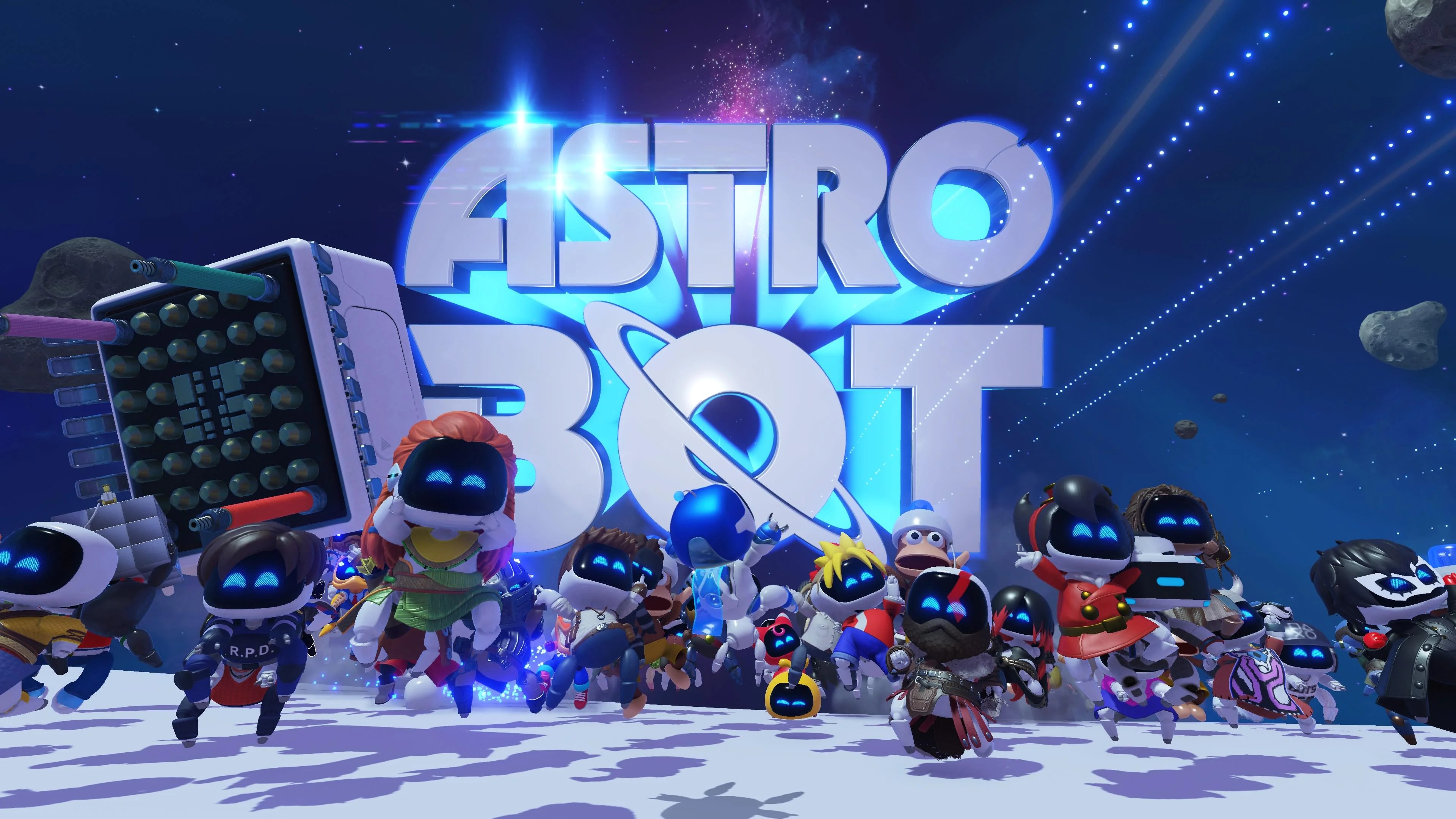
Why are we here? Why are we even doing this? Not life in general, although I think we can all agree this year often raised the question. No, I mean gaming—what’s it all about? Escapism? Exploration? Strategy? The empathy afforded by embodying someone from another country, another species, another planet? Or is it just about… fun? Not the fleeting rush of spending funny money on a new emote or hat, nor the primal release of sending a bullet through a foreign-looking opponent, but the sustained, childlike joy of navigating an environment like the playgrounds of old: shiny, inviting, full of noise and obstacles but in a way that’s invigorating, never truly painful or discouraging. To that end, the PS5 stepped off its high horse of narrative-driven prestige in 2024, and by that metric, Astro Bot could be the most fun I’ve ever had with a game. Team Asobi taps into the console’s power like never before, honoring old-school platformers while also not letting a second pass without something to make the DualShock rumble, jingle, or veer in your hands. There’s always a cool trinket to uncover, always a grin-inducing gimmick to a given level that’ll make you eager to come back again—no trouble at all, given how fast everything loads and how beautiful everything looks. True, it’s also a parade of PlayStation IP that pats the brand on its back harder than a choking victim, but with as much as I’ve enjoyed Super Smash Bros. over the decades, I’d be a hypocrite to deduct points for self-congratulation. In fact, after experiencing so much awe and merriment in a single package, my bar for the next Mario game has been raised rocketship-high. It’s silly, thrilling, charming, challenging, and full of nods to us Millennials who’ve been gaming since the 1900s. When I turn on the TV and sit down on the couch, that’s what I’m here for. What about you?

My Top Games of 2023

2023: Not a good year, am I right? We all have our own reasons—be they personal, political, or just not caring for the weather—but in any event, I think we can all agree that 2024 hopefully holds better days. Fortunately, the last 365 days had some pretty darn good videogames to tide us over! I didn’t get around to most folks’ GOTY, Baldur’s Gate III, but here’s my quick thoughts on ten titles that left me especially impressed, be it for visuals, story, and/or just sheer fun. I’m fixing to “adapt” this into a YouTube video by January, but for the traditional sake of year-end takes, let’s kick it off in writing with…

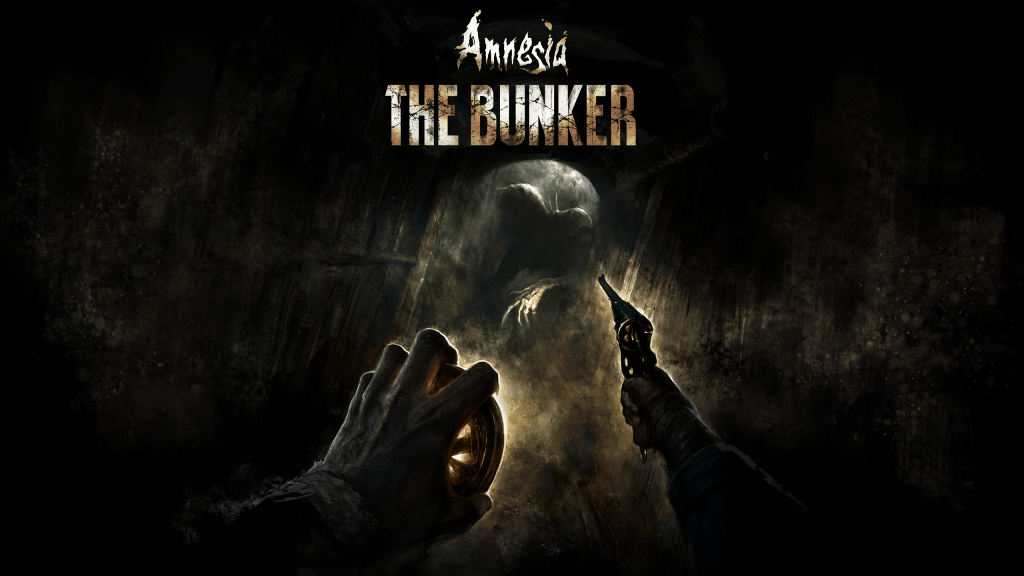
Since Amnesia: The Dark Descent in 2010, the premise of the indie stealth-horror series (plus sci-fi spinoff Soma) has remained consistent: awaken as a memory-challenged wretch in some bygone era, solve environmental puzzles, and avoid making eye contact with whatever’s slithering around the abandoned building you’re stuck in as you look for both answers and an exit. With The Bunker, though, it’s World War One, and developer Frictional Games adds a new twist accordingly: the titular barracks are under attack by more than just soldiers, but your generator only has so much fuel. What could otherwise be just a spooky walking sim, then, becomes a terrifying cycle of resource management and cost-benefit analysis, every trip deeper into a given tunnel valued in real-world minutes until the lights go out and your nocturnal pursuer gains the upper claw.

As ever, there’s plenty of cheap deaths and finicky physics, and the conclusion is more eerie than satisfying, but the franchise hasn’t felt this fresh and anxiety-inducing in years. For genre fans, you can’t go wrong with hunkering down in this bunker.

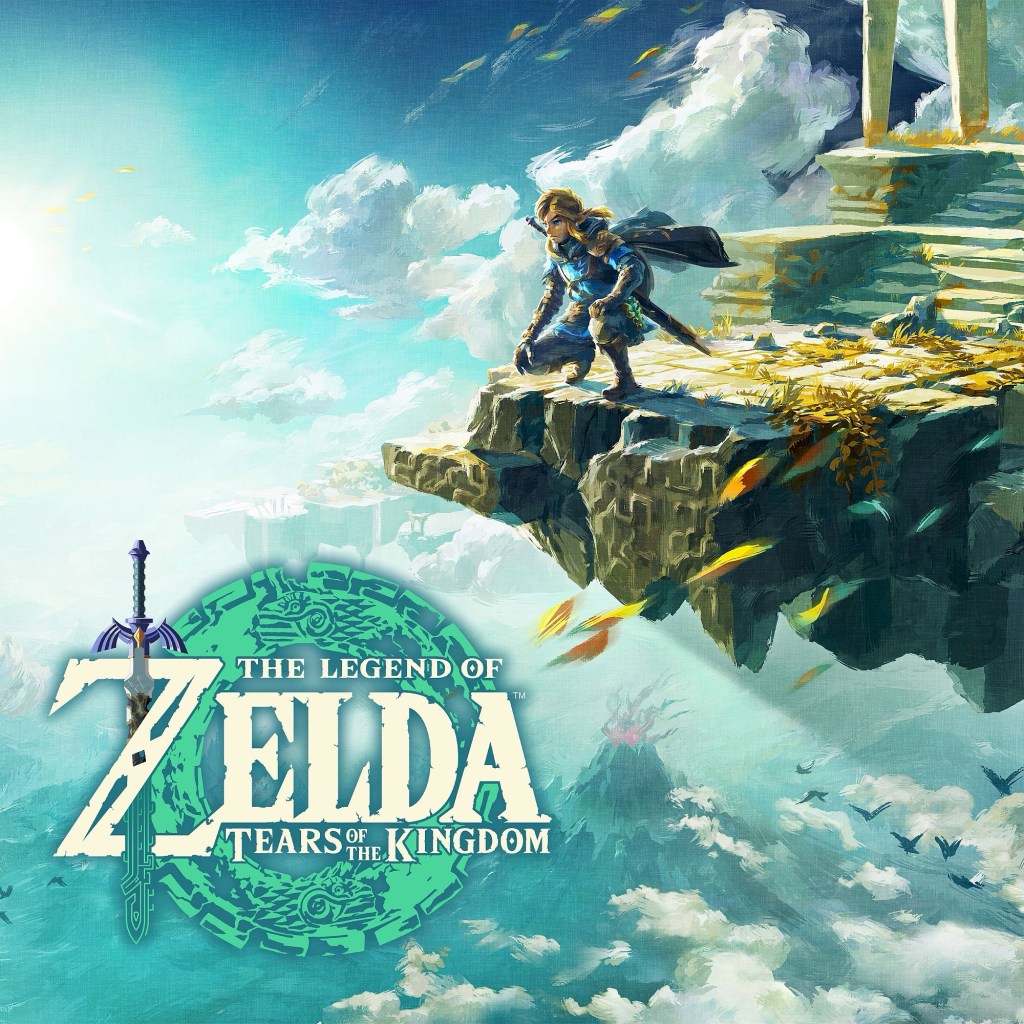
Can a game be both a sequel and, effectively, DLC for the last one? It’s a query that’s arisen more and more in recent years, as ballooning development costs and higher demand for consistency between entries have led to many follow-ups taking place, in whole or in part, on maps carried over from their predecessor. The Legend of Zelda: Tears of the Kingdom may well be the poster boy for this trend: the graphics look the same and the overworld is functionally identical, so if, like me, you spent a hundred hours exploring post-robopocalypse Hyrule in 2017, the magic’s just not quite there anymore.

It’s the underworld, though—and the, uh, over-overworld—where Tears both flows freely and reconnects with the series’ roots, as in addition to a bevy of caves and flying islands, we get a roundabout Dark World with The Depths: a subterranean abyss full of new monsters and challenges. Add in some honest-to-Goddesses (if not meager) dungeons and bosses, a stirring dual-timelines plot, and arguably the most robust physics-based crafting system… ever, and you’ve got an adventure which, while missing the impact of Breath of the Wild, improves upon everything which made that game great, and adds much of what it lacked. As contemporary sequels go, that’s alright with me!

Whether Resident Evil 4 is one of the greatest games ever can make for a spirited discussion, but there can be no debate that it’s one of the most influential: from Gears of War to Dead Space to The Last of Us, if you’ve played a game about a guy with a weapon in his hand and a camera over his shoulder that came out in the last eighteen years, you’ve probably got Leon and Ashley here to thank for it.

Expectations were high, then, for Capcom to nail a modern reimagining of the action-horror classic in keeping with the Resident Evil 2 and 3 remakes—and it’s safe to say they delivered. If you’re an RE4 diehard, it may all seem a bit too slick yet familiar, but at least for a casual fan such as myself (I didn’t play the ‘05 version in earnest until the PC port, mere years ago), this is an update in the best way: satisfying gunplay, stellar graphics, and a script which retains the original’s cheesy thrills while both knowing what to cut (sorry, statue-fleeing QTE) and where to add breathing room (a wide-linear lake segment). Post-game support, in the form of comparable revisions of “The Mercenaries” arcade mode and Ada Wong’s “Separate Ways,” are just the icing on the campy, gore-drenched cake!

When I was a kid, a new Star Wars story coming out was a capital-E event—I still remember the months leading up to the 1999 release of The Phantom Menace in particular, when everything from Pepsi cans to KFC buckets had the cast’s faces plastered on it, heralds of a date so monumental that it was as if the new millennium was coming a year early. Post-The Force Awakens, though, with new shows dropping semiannually and George Lucas’s original vision—however bungled and childish—distended into an indefinite cinematic universe, I must confess that I feel like Yoda under his blanket in Return of the Jedi, on the verge of just evaporating from the burden of so much extraneous ~content~.

All of this is to say that it takes a lot for me to get invested in a galaxy far, far away these days, but Star Wars: Jedi – Survivor (I think that’s where those punctuation marks go) earns it. Like 2019’s Jedi – Fallen Order, from which its events directly follow, it’s a single-player, story-driven action game which combines the combat loop of a Soulslike, the madcap setpieces of an Uncharted, and the block-pushing of a traditional Zelda (it’s a compliment, I swear) with a cast of likeable characters who develop themselves and the Star Wars universe in compelling ways, all without sacrificing the series’ pulpy charm. Like many sequels, its conclusion feels more like a stepping stone to some grand finale than its own resolution, but hey—for a brand defined by sets of trilogies, I’m sure another memorable adventure with Cal Kestis and company is just a few parsecs away!

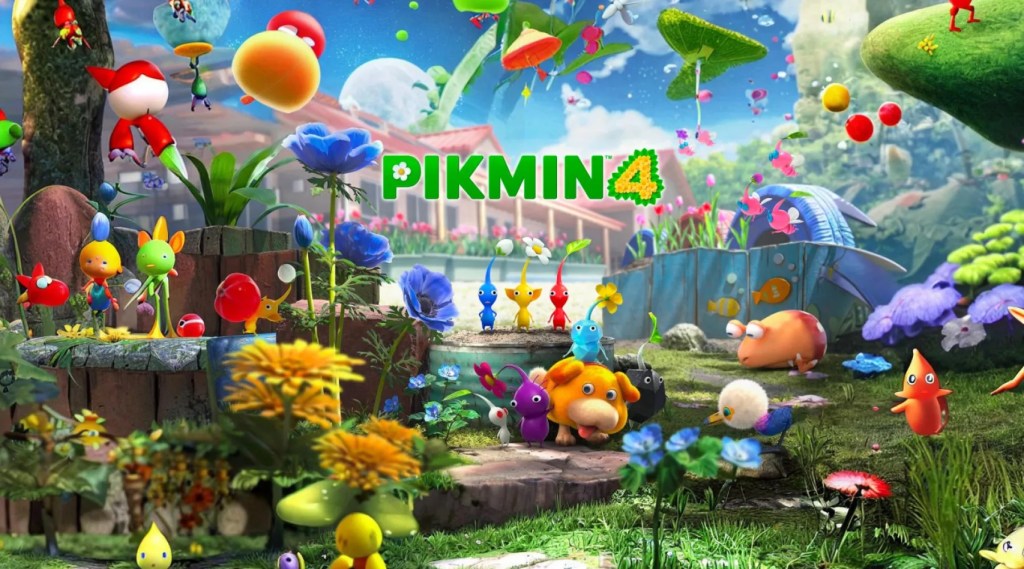
Among Nintendo’s many beloved IPs, Pikmin is perhaps the oddest, if not for its conceit (diminutive astronauts enlist peppy plant people to salvage valuables on an ambiguously abandoned Earth) then definitely for its sparseness, with only two sequels in as many decades (we don’t talk about Hey! Pikmin). That changed in 2023 with Pikmin 4, and while this installment is certainly the most accessible yet, it’s all relative—even with a suite of defensive options and the privilege to re-do a bum expedition, you’ll still have your hands full and palms sweaty managing elemental types, tearing down obstacles, and trying to nab as much loot as possible before sunset.

But thanks to new nighttime missions, the day being over no longer means your adventure is, while a cadre of stranded coworkers make for good company in the hub area, whether by handing out upgrades or allowing you to restyle your custom protagonist. Did I mention there’s also a little dog-like alien to ride, as well as all-new competitive segments where you see who can lift the most trinkets in time? If the word “Dandori” doesn’t mean anything to you, play this latest Pikmin, and it’ll become your mantra soon enough.

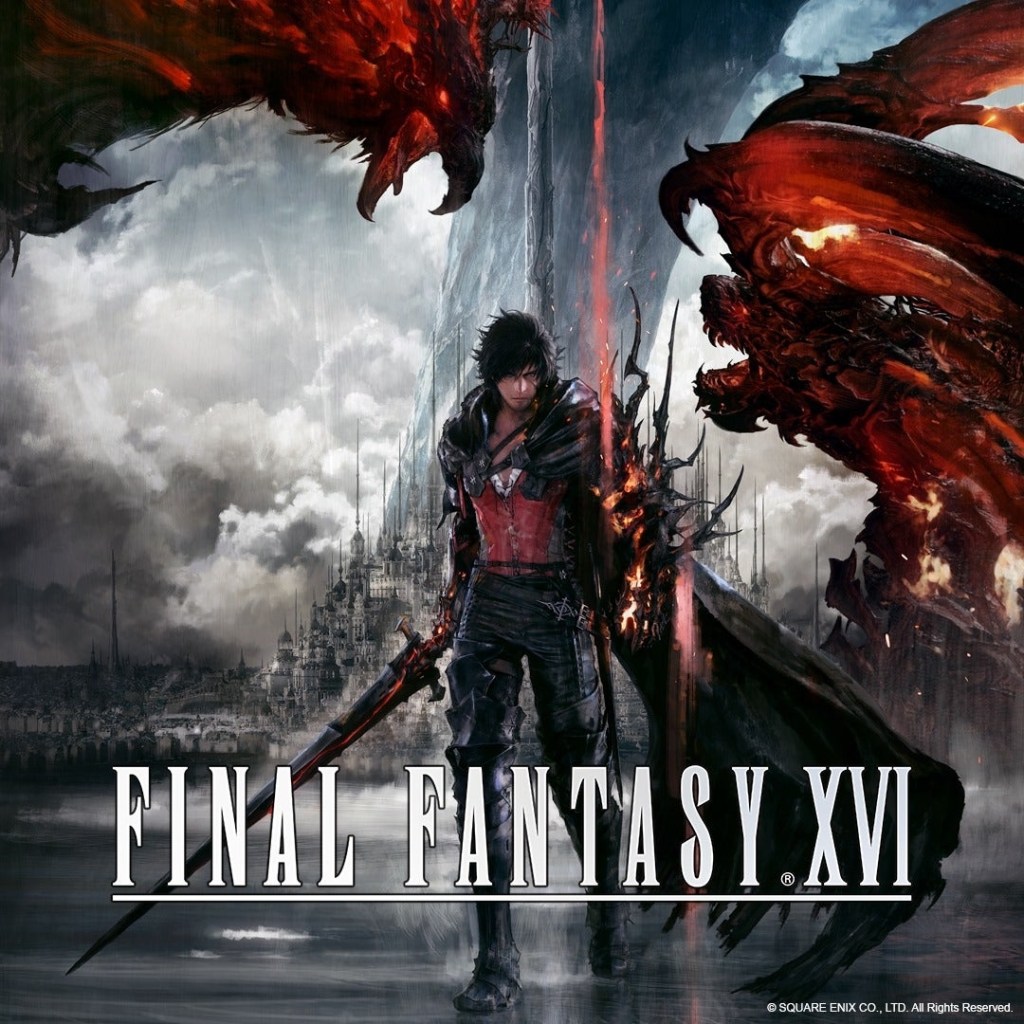
What is a Final Fantasy game? That’s not a rhetorical question—after over 35 years, seven console generations, and an untold number of androgynous hunks with spiky haircuts, I’m still genuinely curious. To some, it’s a turn-based JRPG, plain and simple; to others, it’s a checklist of endearingly specific elements: Moogles, magic crystals, deicide, a guy named “Cid” with a vehicle to loan out. Whatever its core values, Final Fantasy XVI caused a stir this year, as not only was it the first Fantasy to secure an M rating, but the gameplay is the simplest the mainline series has ever seen, even after XV’s “hold A to attack, hold B to dodge” format. There’s a relative handful of meaningful items or equipment upgrades, most levels are a chain of slim corridors broken up by vacant fields, and on the rare occasion a fight is difficult enough that you die, you’re given the choice to resurrect on the spot with more Potions.

And yet, call me a lowly Branded, but I had a blast, because when this game gets going, holy hell does it go. From the cold open, where you drop into a battle between two kaiju plummeting into the earth like Gandalf and the Balrog on steroids, the design directive is clear: make a boss fight as exciting as possible, and then make the next one even more exciting. This is not an RPG, it’s a cinematic spectacle fighter, and while I can understand why sticklers might bristle at that arguable dumbing-down, it’s a blessing under my roof—there are brawls in FF16 which make God of War look reserved, including at least one which even rivals the OTT spectacle of Asura’s Wrath. Routine encounters are exciting as well, as juggling melee combos, ranged shots, a canine companion, and nearly a dozen magic attacks means there’s literally never a dull moment in the heat of battle.

The music is invigorating, the characters are compelling, and while certain scandalous asides and the warring-kingdoms drama are transparent nods to Game of Thrones, it suits a world (in)famous for complicated, continent-spanning mythology. I didn’t expect a major developer to revive the glory days of early-2010s character action games, but I’m so grateful that Square-Enix pulled out a Phoenix Down and made it happen.

Tears of the Kingdom wasn’t the only game this year which followed up an acclaimed open-world console exclusive with a sequel set in more or less the same location! To be sure, Spider-Man 2 takes place in a New York that’ll be mighty familiar to anyone who played Spider-Man or the Miles Morales expansion which accompanied its intervening remaster… but while I still feel like Tom Holland-izing Peter Parker’s face in-between entries was uncalled for, it can’t be understated just how fun this game is, both to gawk at and to play.

The Big Apple has never shone so brightly in the medium, and thanks to the subtly enhanced power of the PS5, you can swing, launch, and now outright fly across not only Manhattan but also western Queens and Brooklyn, without a loading screen to be found—including the fastest fast-travel system I’ve ever experienced. Combat remains delightfully chaotic yet coherent, there’s oodles of collectibles (including some seriously sick suits), and being able to swap between two web-slingers at virtually any time is a great feature.

While the story is admittedly less focused than Spider-Man 2018, it balances our heroes’ great powers and responsibilities well: Miles must weigh an opportunity to confront Mr. Negative against the safety of his community, while Pete’s elation at a recovered Harry Osborne inviting him onboard a scientific foundation is tempered when a certain “symbiote” takes a liking to their bodies. Per usual, a threequel is all but explicitly set up, but I can’t wait to see what these Spider-Men do next.

Among the major videogame developers, Nintendo gets a lot of flack, and not without reason: whether it’s antiquated hardware, letting celebrated franchises stagnate for inscrutable reasons, or the Disney-like dissonance of wielding both a family-friendly image and a ruthless legal department, there’s plenty to dislike about The Big N (wait, does anybody still call them that?). But at the end of the day, there’s arguably no other company that, at least in their first-party efforts, answers one simple question with polish and verve: what would make people smile?

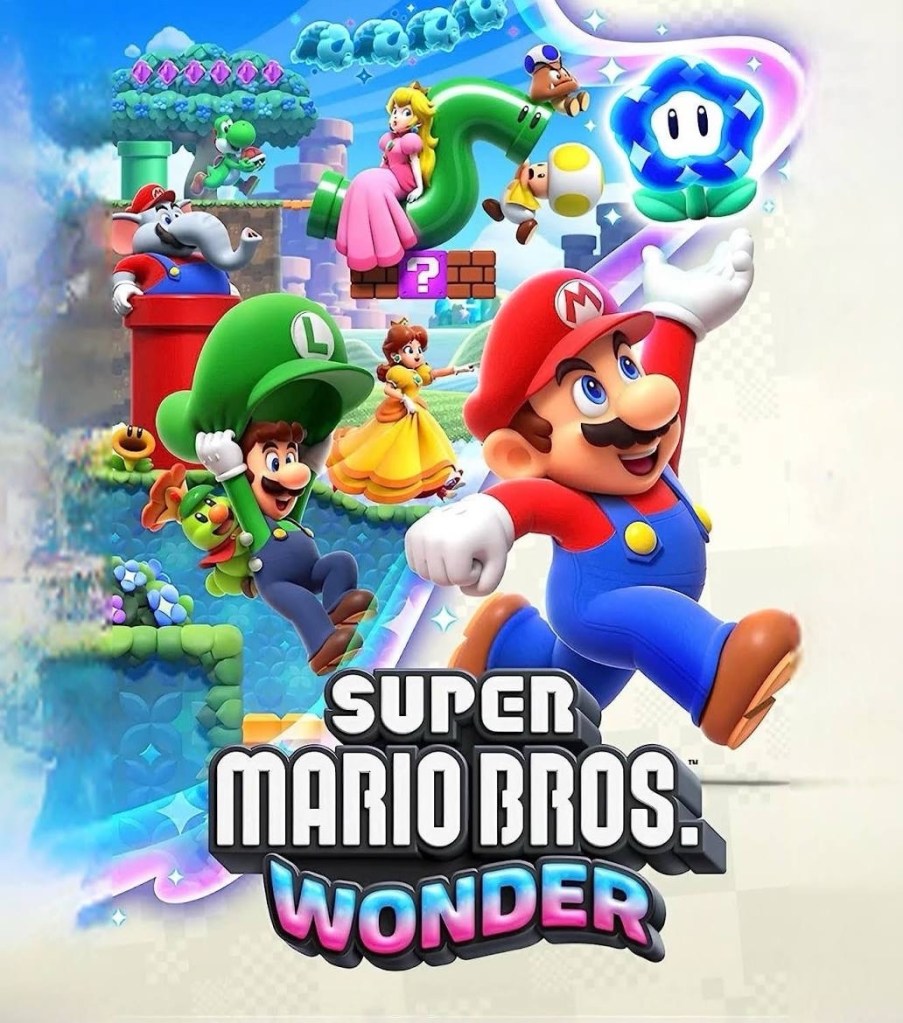
To that end, Super Mario Bros. Wonder delivers a cavalcade of clever, colorful, and rambunctious platforming challenges that can be enjoyed solo or with friends. After years of the New Super Mario Bros. sub-series coasting off nostalgia (to the point that the adjective in its title stopped even being accurate), the name change is both an implicit statement of intent and a merry warning—for with every level comes a strange new enemy or hazard to navigate, crescendoing with the acquisition of a trippy “Wonder Seed” which throws time and space itself into unpredictable tumult. Structurally, there’s nothing here you haven’t seen before—and don’t expect a plot more complicated than “Bowser’s at it again!”—but when it comes to the journey mattering more than the destination, this latest outing with the bros is a wonder indeed. Now if only two-player mode didn’t cause one guy to die if the other one just moves a little too far in any direction…

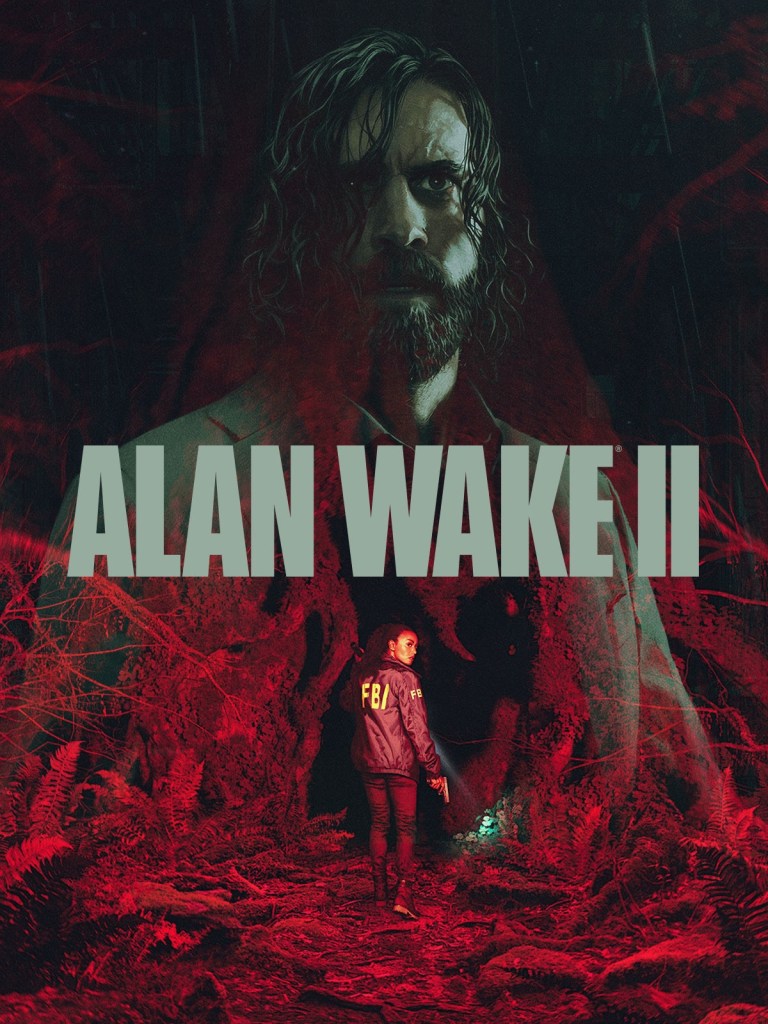
Trevor reclined on his couch, holding his phone in front of him like a menu at a bar whose drinks he wasn’t sure he could afford. It was more comfortable than hunching in front of a computer, let alone a typewriter, and yet the words wouldn’t come. He had to review “Alan Wake II,” the long-awaited sequel to the 2010 videogame developed by Remedy Entertainment which combined a setting inspired by the television series “Twin Peaks” and “The Twilight Zone” with a tale of a writer tormented by dark spirits ripped right from the pages of a Stephen King novel. But where to start?

Should he lead with the story, how it skillfully balanced episodes about not only Alan’s struggle to escape Cauldron Lake after thirteen years but also Saga Anderson, an FBI agent investigating a murder cult in Bright Falls with ties to her own past? Would it be ideal to focus on the gameplay, which– while often cumbersome and simplistic–looked better than ever, every building convincingly cluttered and dark forest ripe with fear lurking behind each tree? Or were the personal touches the most important, the enthusiasm with which Remedy included so many signatures that resonated with Trevor as well? Rock-show musical numbers, live-action interludes, Finnish cultural pride, the mere fact that it starred a horror writer and took place in rural Washington State and New York City, both places he had lived? No, surely it was right to at least open with a tribute to the recently deceased James McCaffrey, whose weathered voice brought so much presence to not only Agent Alex Casey but also Max Payne, upon whom the new character bearing director Sam Lake’s face was clearly based.

Trevor sighed, rubbed his eyes, and put his phone down on the coffee table to go make some lunch. He may as well have been staring into a bottomless pit, a black void stretching into infinity. As uneven as it could sometimes be, when it came to writing about Alan Wake II, the amount of praise he had to give wasn’t a lake. It was an ocean.

On February 14, 1991, The Silence of the Lambs released in theaters across America. Starring Anthony Hopkins, Jodie Foster, and Ted Levine, the film made back over ten times its budget and swept the Academy Awards the following year, winning Best Director, Best Actor and Actress, Best Adapted Screenplay (from Thomas Harris’s novel), and Best Picture. To date, it is considered by many to be one of the greatest motion pictures of all time.

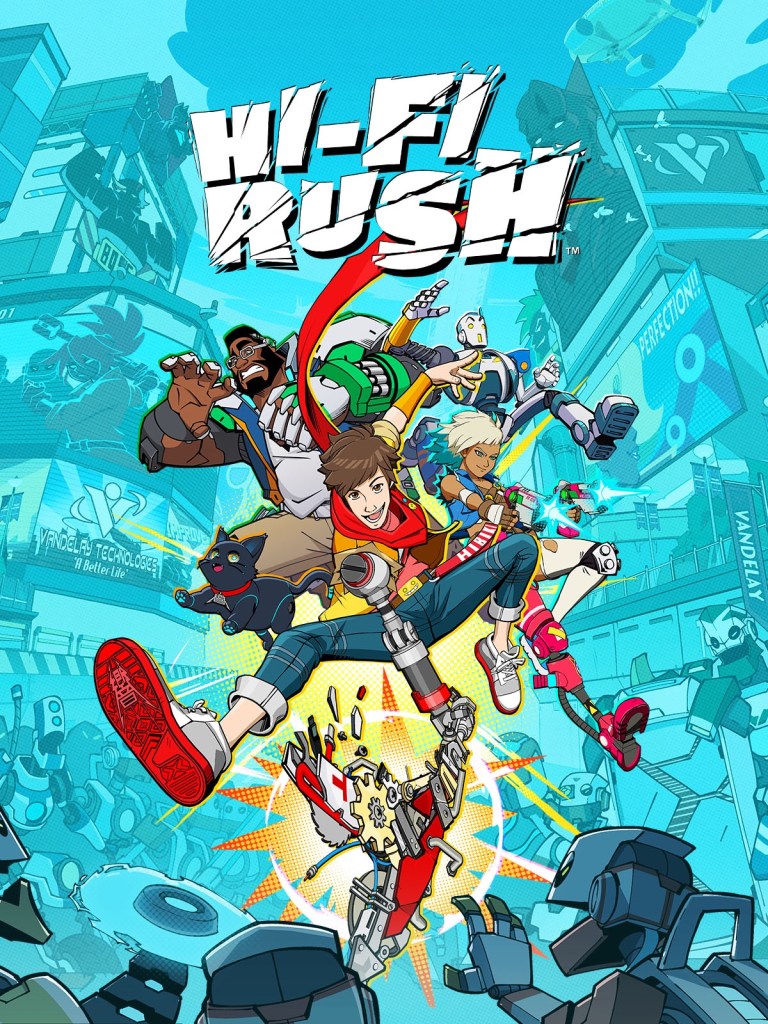
What on God’s metallic, neon-green earth does this have to do with Hi-Fi Rush, a jaunty little character action game inspired, if anything, by a combination of Guitar Hero, Devil May Cry, and Toonami reruns? Well, aside from the fact that developer Tango Gameworks is best known for creepy, grisly titles like The Evil Within and Ghostwire: Tokyo, it’s proof positive (in this humble critic’s opinion) that, sometimes, the winner comes forth at the beginning of the year, not near the end. Hi-Fi Rush was both announced and released on January 25, 2023, and since that surprise drop, I haven’t been able to stop gushing about it, nor—with generous bonus DLC—run out of reasons to return to it. This coming from a man whose reaction to rhythm games is typically to run in the opposite direction with poorly timed steps!

With an effervescent art style and a diverse gang of characters to match, fights aren’t a chore but a joy, and the pace is precision-tuned to keep you always upbeat, always eager to earn another “S” rank or grind down the next railing. During bosses or big cutscenes, the original score gives way to licensed cuts, and while there’s few tunes by music game standards, it’s a matter of quality over quantity—I never thought I’d face off against a buff she-wrestler while Nine Inch Nails’ despondent banger “1,000,000” thrums in the background, but it’s dreams like these that gaming brings to fruition. Also, leave it to this tracklist to indirectly inform me of a Smashing Pumpkins side project, Zwan, that’d somehow escaped my notice!

Hi-Fi Rush is, as much as my bones creak to consider it, an ode to 2000s nostalgia, back when teams of anime-tinged rebels ruled the airwaves and videogames were about power-ups and youthful ‘tude, not pay-to-play battle passes or weary fatherhood. It’s a game by people who know what makes them fun, made for people who share that wisdom. It’s not much, maybe, but as comforts go, it’s like a favorite song on a long drive with friends, volume cranked and windows down.

—————

And that’s, blessedly, a wrap on this turkey of a tour around the sun! I don’t know much about the future (if I did, I’d have quit my job ages ago and become a for-profit prophet), but I do know that there’ll be many more opportunities to come: opportunities to enjoy some fun games, yes, be they long-awaited and AAA or indie hits slumbering in your Steam backlog, but also to put the controller down and tackle the real quests, whether that’s moving on up in your job, finishing that book (reading or writing), or finally asking out that person who you just haven’t had a chance to chat with yet. As I said at the end of this list once, life can still make sense if you don’t force it to. I’m looking forward to 2024 being my most sensible year yet—how about you?

My Top Stuff of 2022

Happy New Year, all! It’s time for my annual media lists, now in video form! Sticking with films and games this year – simple rundowns below, but check out my channel for more in-depth analyses, and be sure to like and subscribe if you want to see more!

10) Tinykin

9) Shadow Warrior 3

8) Tunic

7) Scorn

6) A Plague Tale: Requiem

5) Stray

4) Kirby and the Forgotten Land

3) Horizon: Forbidden West

2) God of War: Ragnarök

1) Elden Ring

10) Carter

9) V/H/S/99

8) Barbarian

7) Incantation

6) Avatar: The Way of Water

5) Top Gun: Maverick

4) The Northman

3) The Batman

2) Nope

1) Everything Everywhere All at Once

My Top Stuff of 2021!

Time may be an illusion, but when it comes to the end of December, listicles are a cold, hard fact. In keeping with my annual diet of movies, music, videogames, and– a tad shamefully–not that many books or TV shows, here’s my Top Stuff in each medium that (typically) released within the last 365 days. I always say “Top Stuff” because I’m sure there’s even better ones I haven’t seen/played/whatever, and I’d never dare presume that my personal interests represent some objective, or even subjective, metric by which you should judge your own preferences. This is just some art I thought was cool as I kept on truckin’ in 2021–and if you did too, then that’s cool too!

FILMS

5. Nobody

When pop culture historians look back on the late 2010s, John Wick will stand as a lodestar for cinema. Vengeful popcorn flicks had existed before, of course, but the tip of the still-flourishing Keanussance brought a vibrancy—a commitment to coherent and well-choreographed, not just violent, action—that the genre largely lacked post-Matrix. The stage set, Wick’s director David Leitch then teamed up with the brains behind the hyperactive first-person shooter movie Hardcore Henry for a film with a similar story, yet founded on a critically different question: what if the guy kinda looked like a weenie? That’s no disrespect on Bob Odenkirk’s name, though, for while the actor is old enough to be my father, he plays both sides of the coin with aplomb: a meek pencil-pusher one moment, and a long-dormant hitter putting the heads of Russian thugs through walls the next. Owing, I suspect, to it being a common cramped location, there’s a lot of scuffles on public transportation in action movies—even 2021 gave us another in Shang-Chi—but the bus brawl here ranks among the best, most deliciously brutal fight scenes in recent history. And the R-rated Home Alone climax, complete with Doc Brown packing heat? An all-timer. Fingers crossed that Odenkirk’s health scare earlier this year doesn’t keep him from safely stepping back in for a sequel—I pity the next crook who absconds with that kitty-cat bracelet!

4. Dune

2021’s Dune excels because of what it is, but also what it isn’t—the shadow of David Lynch’s Dune (1984) looms large over any subsequent adaptations, if not on its merits then as a reminder of the perils of trying to cram all of Frank Herbert’s bizarre, politically charged novel into one film. Thankfully, then, director Denis Villeneuve didn’t try; as coy as the marketing may have played things, this is “Part One,” and the third act unquestionably sags because of it. By that same token, though, the sights and sounds of this world are given room to stretch out—and what a blessing, because both are utterly captivating. The sets, costumes, and effects work are detailed and convincing, and Hans Zimmer’s score—while as blaring and dialogue-unfriendly as ever—aptly channels the formidable scope of these alien planets and their rulers’ ambitions. Inevitably, there’s exposition dumps, but the dialogue scarcely feels forced, and I rarely got lost in the world-building or globetrotting. And, of course, dat cast: from Timothée Chalamet to Jason Momoa to Rebecca Ferguson, there’s smokeshows here for every age and gender! Zendaya stans were understandably irked by her borderline cameo, but given that 2une got greenlit in the middle of opening weekend, I’m confident Villeneuve and company will do the continuing story of the Fremen justice. After all, the Spice must flow!

3. F9: The Fast Saga

Fast & Furious is a superhero franchise. Once I became aware of that, consciously or not, I stopped seeing the movies as meathead-meets-gearhead Michael Bay runoff and started… well, seeing them, period. Part soap opera, part Mission: Impossible, and part Talladega Nights, the Fast series has morphed over my lifetime into a ridiculous yet unironically entertaining staple of the megaplex, and nowhere more so than this, its ninth mainline installment. The absurdities pile higher than ever: Vin Diesel and John Cena play blood brothers, a character we saw die in a fiery crash inexplicably teleports to a building across the street, and falling upwards of three stories is apparently fine so long as you land on something with a steering wheel. But in turn, we get cars swinging on ropes, cars getting flipped by supermagnets, cars going to mf’ing outer space—just utter nonsense I would’ve come up with while racing Hot Wheels around my bedroom floor as a child, but starring Helen Mirren and costing more than the GDP of some nations to produce. What it all comes down to, though, is really straightforward: family. And you know what? I’ll be there with my own for Fast 10 on opening night.

2. Malignant

When questioned on my seemingly inconsistent taste in media, whether by myself or others, I’ve come to answer with a blunt philosophy: I like stupid shit, so long as it’s also awesome. Few men in Hollywood have their finger on that pulse like James Wan, who—after more or less inventing an entire subgenre with Saw and proving his action chops in Furious 7 and Aquaman—returned home in 2021 for the world’s first neo-giallo body horror martial arts slasher. That description, in itself, is arguably a spoiler, but believe me when I say that nothing can still prepare you for what goes down in the final minutes of this thing. Suffice it to say that, after an hour or two of getting immersed in the moody lighting, cheesy dialogue, visceral kills, and a wicked Pixies cover, I went from clutching my armrest to internally hooting and hollering like a WrestleMania spectator. When everyone loves or loathes a movie, it’s unifying but stultifying—because what’s even left to discuss? But when, as with Malignant, reviews were split between “that was the dumbest thing I’ve ever seen” and “GOAT,” I know now—as I did the moment I left my screening— that it’s a picture I’ll be talking and thinking about for years to come… always there, in the back of my mind.

  1. The Green Knight

What makes a myth, a story that can endure for generations? For my money, on the silver screen, it’s spectacle: the clang of swords, the spark of a flame, the sight of someone or something massive looming in the distance, and a hero in the foreground who’s willing and able to brave it all to accomplish their quest. Modern blockbusters deliver such thrills in spades, but lest we forget: in a sense, Arthurian legends walked so that everyone from Tarzan to Iron Man could run, swing, and fly. Drawing from an epic poem older than my own country by centuries, The Green Knight may take some liberties to entertain a contemporary audience, yet at its core is a haunting, slow-boil tragedy far from any of the family-friendly Disney adventures that clog theaters. Our protagonist’s fate is sealed in the first act, and for all intents and purposes, his is a pilgrimage to doom. En route, the cavalcade of characters he encounters keep the proceedings varied, as does director David Lowery’s arresting eye for color and creeping dread, from the yellow of Sir Gawain’s cloak to the orange fog which suffuses the air as a vulpine companion suddenly reveals it can speak. There’s magic, bloodshed, sex, ghosts, and giants. It’s sad, frightening, monumental, and it has not one but two Alicia Vikanders. Dev Patel has a beard. What more can you ask for in an epic tale?

VIDEOGAMES

5. Marvel’s Guardians of the Galaxy

Would they learn their lesson? This was the question looming over Marvel videogames—at least, those published by Square-Enix—after the glitchy, glorified gacha machine that was Marvel’s Avengers proved the second-biggest gaming letdown of 2020 (Cyberpunk 2077 takes the heavy crown, of course). I was pleased to learn, however, that they had, and the once-omnipresent curse of The Superhero Videogame returned to its slumber once more. I haven’t beaten it yet, so it’s low on the list as a matter of principle, but Marvel’s Guardians of the Galaxy earns top marks across the board: the graphics look great and the design of its alien worlds is wildly creative; the combat is satisfyingly chaotic yet intuitive (though my PS4, in its autumn years, sometimes struggles to keep up); and the soundtrack is chock full of 80s bangers—God only knows what these licensing rights cost, but it was worth every flarkin’ penny. The titular ensemble is wonderfully written and acted, too—the MCU casting leaves big shoes to fill, but the amount of funny, context-specific dialogue is remarkable. There’s some jank, sure (I’ve had to reload a save more than once after one of the score of audiovisual cues overlapping at any given moment got stuck on-screen), the Telltale-ish dialogue choice system feels half-baked, and Rocket is way more of an asshole than even Bradley Cooper played him for no good reason. Also, does the rest of the squad really have to get on my case every time I gently veer off a sub-Uncharted linear level route for a moderate cache of upgrade points? Still, it’s a minor miracle for a AAA single-player game with minimal microtransactions to release in the ‘20s—here’s hoping future cape games take note!

4. Unpacking

I like a good loud, violent shooter, but I’m not above a humble point ‘n’ click narrative jaunt when the mood strikes me. Case in point: This year’s Unpacking, a “zen puzzle game” which simulates a common yet comforting ritual: taking stuff out of boxes and putting it on shelves when you move into a new place. In so doing, across a handful of locations spanning a decade, you slowly piece together… not a story, per se, but rather a young life. Photos of a friend once held high on the wall go into a drawer; an iPod weathers with age before being relegated to the ubiquitous box ‘o cables; videogames advance with the generations, from a chunky little Game Boy to an Xbox 360. Along the way, the cozy, colorful isometric graphics and pleasant soundtrack make even the humblest bathroom look like somewhere you’d just want to curl up and relax. That art style in particular does so much with so little—who knew I could recognize, say, a DVD of Ghost World or Up from a chunk of pixels smaller than my thumbnail? It’s not long, it’s not particularly challenging, and it implicitly casts you in the role of a character way outside my usual range (a Jewish lesbian illustrator, I think?). Now more than ever, though, the serenity of new beginnings is something we could all enjoy—just cut the tape with your Stanley knife (so that’s what those are called) and get to Unpacking.

3. WarioWare: Get it Together!

After years of glorified tech demos and greatest-hits collections, WarioWare returned in earnest! This time, instead of capitalizing on a control gimmick (see, e.g., Touched, Twisted, Smooth Moves), the greedy garlic-chomper’s latest meta-game outing went back to the drawing board for a radical tweak: playing not as “yourself,” but rather as Wario’s many beleaguered friends and employees, sucked into their own work product by some malicious malware. This seemingly basic change opens up all kinds of possibilities, for the split-second solution which each microgame inherently demands becomes that much more daunting when you’re switching between not only settings but also entire control schemes! The lack of the bonus “toys” which have been a tradition in the series is a shame, but in their place, we get a bevvy of diverse multiplayer outings, as well as a challenge system and shamefully addictive postgame “Prezzies” to level up characters and unlock bonus content. Among the quick, on-the-go games which flourish on Nintendo Switch, Get it Together! is well worth your time.

2. Psychonauts 2

If, like me, you do yourself a favor and don’t read Tim Schafer’s Twitter, you’ve probably been looking forward to Psychonauts 2 since the first one debuted sixteen years ago. But unlike many gaming sequels long-damned to development hell, Double Fine didn’t miss a beat: the graphics are cleaner, and the combat takes a cue from modern action-RPGs, but the delightful Burton-adjacent art style and creepy, clever levels stuffed with collectibles are all back just as you remember them. Too often, latter-day platformers dine on ‘member berries instead of advancing the subgenre (looking at you, Yooka-Laylee), but Psychonauts 2 adds a plethora of diverse new characters and psychic abilities, as well as a surprisingly robust open world full of side missions. After this long between entries (plus or minus the canonical but slight VR trip In the Rhombus of Ruin), it may be too much to ask for a threequel already, but there’s precious few franchises willing to get this zany and unapologetically fun!

  1. Resident Evil: Village

In 2017, licking its wounds after the bloated mess that was Resident Evil 6, Capcom had a lot to prove to survival horror fans. Inspired by The Texas Chainsaw Massacre and Hideo Kojima’s ill-fated P.T. in equal measure, Resident Evil 7: Biohazard met those expectations and then some, literally bringing a new perspective to the series and remembering to actually include some fear alongside all the gross monsters and explosions. A follow-up was inevitable, and while I felt vindicated to learn that leaks about the eighth entry being called “Village” were accurate, nothing could’ve prepared me for how frightening, crazy, and exciting this game would be. Werewolves, living dolls, a giant fish-man, cyborg zombies which may or may not violate intellectual property rights… and, yes, a certifiably scarousing vampiress with a least a foot on most of the NBA all torment you at one point or another. But unlike most other modern horror, where your only options are to run, hide, and/or read a journal about how this is all a metaphor for repressed trauma, you’ve got shotguns, grenade launchers, sniper rifles, and a morbidly obese nobleman who’ll sell you ammo for all of them. Throughout it all, the RE Engine coats this grotesque Gothic world in a photorealistic patina that makes the prior generation of consoles sing (or shriek, as the case may be). If “badass camp” is the tone Resident Evil wants to strike going forward, consider me a happy camper indeed, and ready for whatever the shocking conclusion here promises for RE9!

Honorable Mention: The Pathless

So The Pathless actually came out in 2020, but I first played it this year and, to my knowledge, it was marketed predominantly as a PS5 game—and really, who even has one of those? I can see how the game would take advantage of the next gen’s daunting processing power: the entire world is one big, loading screen-free map, gated only by passages which are out of reach ’til you beat a given boss. However, it runs just fine on PS4 as well, and what a joy that it does, because The Pathless provides a setting that I relish wherever it arises: a vast, quiet, mysterious world to just run through and make sense of. From crumbling temples adorned with carvings of giant beasts to scattered puzzles which reward a little block-pushing or clever jumping with a power-up, the game is unapologetically inspired by Breath of the Wild and, in turn, Shadow of the Colossus. Yet moment-to-moment play actually evokes—of all things—Marvel’s Spider-Man: Your protagonist, a veiled warrior with an eagle by her side, gains bursts of speed from firing arrows at omnipresent, floating glyphs, and so most traversal is accomplished by taking auto-aim at the nearest doodad to sprint across fields and valleys in search of your next friend or foe. It’s beautiful, strange, and invigorating all in one—just what I seek out all art for.

ALBUMS

5. Sinner Get Ready, Lingua Ignota

When women want to make a name for themselves in music, it can feel like the industry presents them with two doors: innocent naif or objectified doll. Lingua Ignota, aka Kristin Hayter, elected for Door Number Three: apocalyptic medieval priestess. Or at least, that’s the vibe one gets from a scroll through her discography, replete with track titles like “If the Poison Won’t Take You My Dogs Will” or “God Gave Me No Name (No Thing Can Hide from My Flame).” On this, her second LP, Hayter screams, mourns, and calls for bloodshed over an ominous organ, dire strings, and guitars which crash with the force of an angry demon, along with a whole orchestra of other unnerving instrumentation. More than any heavy metal, this is music to perform human sacrifice to—and yet it’s undeniably technically impressive and, in its own noisy, cataclysmic way, self-affirming! If you want girl-power rock that’s less tsundere and more sundering, Mistress Ignota demands your supplication.

4. The Atlas Underground Fire, Tom Morello

That Rage Against the Machine largely tapped out post-9/11 is arguably one of the biggest missed opportunities in music history, but guitarist Tom Morello never rested on his laurels: following the rise and fall of Audioslave, the man’s been cranking out consistent solo albums and side projects for almost two decades. In 2018, taking a page from Slash and other virtuoso contemporaries, Morello released The Atlas Underground, a collection of collabs that applied his gnarly, propulsive sound to artists ranging from Knife Party to Vic Mensa. 2021 saw the release of two spiritual successors, The Atlas Underground Fire and The Atlas Underground Flood, each with their own collage of diverse features (and unintentionally funny, Pokémon-esque album art). It’s the former of these LPs that won me over the most, though: the cover of AC/DC’s “Highway to Hell” with Bruce Springsteen fits both men’s styles like a studded leather glove, “Let’s Get This Party Started” gets Bring Me the Horizon on this list for the third year in a row, and “Naraka,” with its almost hymnal verses and Mike Posner (of all people) talking about killing cops, fascinates me more every time I hear it. The Machine may still need plenty of raging against, but Tom’s got it covered!

3. What it Means to Fall Apart, Mayday Parade

After 15-odd years in the saddle, one couldn’t be blamed for questioning whether the Florida quintet can still wax emo with the best of ‘em. To be sure, Mayday Parade largely leans away from their more complex, bombastic inclinations on this latest full-length, but their wistful lyrics and singalong hooks are as strong as ever. “Kids of Summer” kicks things off with a rousing ode to reckless youth, while “One for the Rocks and One for the Scary” is prime MP, starting off plaintive and sparse before erupting into an all-cylinders ode to fragile love (“we can do everything, we’ll start right here in this room… just don’t take off too soon”). Things admittedly peter out in the latter half: “Bad at Love” is so boilerplate that I thought it was a OneRepublic cover at first, and filler track “Heaven” feels named after the exact opposite afterlife, running a tired pun into the ground over a triphop beat for two-and-a-half minutes. On balance, though, the boys continue to age more gracefully than many of their peers, and still have me catching feelings as much as when I first heard “Jamie All Over” post-high school. The real oversight, though? No song named after a Calvin & Hobbes quote!

2. Kingdom II, Arcade High

The 80’s homage is a crowded subgenre these days; it’s all too easy to paste some rudimentary electronic riffs over kick drums, slap a neon palm tree on the cover, and call it a day. But Arcade High continues to outrun the competition with a mix of vocal and instrumental tunes targeted like a light gun at Millennial-era videogame vibes. The duo hearken back to fuzzy chiptunes (“Glow”), deliver a nod to Dark Souls (“DGYK,” feat. Jei-Laya), and even remix the title opener of 2016’s original Kingdom for some nostalgia of their own (“Welcome Back”). Not every track’s a hit—“Slay” is a perfect example of a song that’s catchy but not memorable, a repetitive and off-brand slab of dance-rock that had me wishing it’d perform as advertised by the first minute. But on the whole, making a trilogy of this “series” would be fine by me!

1. The Rearview Mirror EP, The Midnight & The Magik*Magik Orchestra

I turned 30 this year. I didn’t accomplish everything I once said that I would, by now—some of that’s on me, some isn’t. But when I inevitably reflected on my past with greater frequency in 2021, this was how the tranquil “now,” the wistful “then,” and the aching “maybe somebody” sounded in my soul. Veering away from 80’s throwbacks, L.A. duo The Midnight reimagine five of their top tunes with a wholly unprecedented vibe: out with the saxophones and synthwave, in with violins and piano. The transplant, however, breathes beautiful new life into their songwriting: As cool as tracks like “Endless Summer” and “Memories” felt before, they nearly bring a tear to the eye now—and when I saw the group live in downtown Tacoma in November, to celebrate my birthday, the latter’s lines never felt truer: “Summer days are growing colder… we’ll know better when we’re older.”

Honorable Mention: Heartwork (Deluxe), The Used

Heartwork made my last Top Stuff list, so I won’t dive into its primary tracklist much here, except to reiterate that it’s marvelous to see a group I’d written off as screamo has-beens turn around and drop one of my favorite albums of 2020. As is the style of late, however, they re-released it a year later with another entire record’s worth of cuts! But these are no mere B-sides—each tune could’ve readily been on Heartwork 1.0, continuing its themes of both literary references (“The Brothers Karamazov,” “Blood Meridian”) and love gone very, very bad, all while killing it with their chorus game (belting out “nobody hates me like you do / you’ve got that perfect misery” has no right to feel as good as “Mi Medicina, Mi Heroína” makes it). Wherever the band goes next, I’m now confident that time Used won’t be wasted!

SINGLES

5. “Fruit Roll Ups,” Waterparks

Waterparks is (are?) a lot of things: artists, self-aware industry critics, a boy band that also makes songs with names like “I Miss Having Sex But at Least I Don’t Wanna Die Anymore.” In that spirit, this year’s coyly titled Greatest Hits was—like 2019’s FANDOM—a bit too scattershot and longwinded to crack my top five. However, this track in particular really did a number on me; let’s just say that a ballad by a shut-in who likes junk food and horror movies, and “bought some really sick lights, if you want to come over,” hit close to home. The modern wave of electronica and hip-hop-tinged emo wasn’t around when I was a teen, but had it been, you can bet I’d have been sharing memes of lines like “If you want to see me acting so desperately, all you gotta do is stop texting me” left and right on my socials!

4. “I MISS 2003,” As It Is

The Legend of Zelda: The Wind Waker. The Iraq War. Kill Bill, Vol. I. The Challenger explosion. 2003 was like any year, full of ups in downs. But as of January 1, 2022, there’ll be no children who were alive for it, and one thing those 365 days irrefutably had in abundance was a certain, special kind of youthful music: capital-P Pop Punk. Nearly twenty years hence, As It Is has struggled to find its place in what remains of that community, settling of late on an MCR-lite doom ‘n’ gloom aesthetic that I must confess doesn’t do it for me. However, on “I Miss 2003,” the quartet funnel this dreariness into a longing for the early Aughts that’s achingly potent to me and my fellow Millennials. Like a Hot Topic T.S. Eliot, the band stuffs the lyrics here with references to a dozen different emo mainstays, from Paramore to Good Charlotte, turning mashed-up lines like “tell me that you’re alright, cuz I’m not okay” into a veritable sonic time machine. As It Is are British, so call them phonies if you want for reminiscing about Americana, but I myself have always felt like an outsider to the scene—heck, I didn’t even really start listening to anything beyond my parents’ CD collection until about 2009. Since then, though, there’s always been a place in my heart for the rebellious, lovesick energy of this subgenre. “Now life is boring, let’s write a story where we never grow up…”

3. “Meant for Misery,” Settle Your Scores

While As It Is wallowed, for better or worse, in the salad days of pop punk, Ohio outfit Settle Your Scores charged forth like it hasn’t aged a day. To be sure, the band’s not opposed to hindsight—they themselves have a song called “1999”—but they blew the doors open on this year’s Retrofit with this snotty earworm about a universal sentiment: feeling like the world sucks and you just can’t catch a break. Really, hasn’t 2021 all made us feel like we’re “in the eye of the shitstorm”?

2. “Rise, Nianasha (Cut the Cord),” Coheed & Cambria

Coheed & Cambria has continued to surprise me, going from a group I respected more than enjoyed (can’t knock that sci-fi prog-rock hustle) to one whose every single enters heavy rotation on release day. 2021 brought two of them, the first being “Shoulders,” which nearly made this list with its rip-roaring riffs and classic tale of a damaged relationship (“maybe we weren’t made for each other, and I’m just the one you can keep around”). However, this second one edged it out, not just because it’s catchier by a hair but because it explores a dynamic that’s novel to me in pop, at least outside Cat Stevens or “Cat’s in the Cradle”: father-to-son love. “Call me, and I’ll be there when you need your great destroyer,” the speaker assures his boy—a Dad of the Year line if I’ve ever heard one! Given the maddening ambiguity of this space rock-opera to date, I’m fully prepared for Vaxis II (the presumptive next LP) to never satisfyingly piece this paternal saga together, but I’ll be singing along either way.

  1. “The Last Picture Show (Lost Outrider Remix),” Arcade High

It’s a 2021 remix of a 2019 song, that was in the style of a 1980s song, named after a 1970s movie set in the 1950s. If there’s a more potent Matryoshka doll of nostalgia on the market right now, I haven’t seen it. Maybe it’s just having changed both my job and my city earlier this year, but something about the reflective lyrics—of Anytown melancholy and the promise of a better tomorrow—cut deep to my core, no matter how many times I hit “repeat.” Whether it’s escaping a bad day or rushing towards the promise of a good one, that same hope is still there when I hit the road, whether by foot or by car, and miles to go before I sleep: “They can’t catch me… I’m already gone.”

Now go have a Happy New Year! Masks aside, I don’t know about you, but I’m feeling ’22. If nothing else, Elden Ring isn’t going to play itself!

New Poem: “Advice to My Past Self on Dating”

advice

Of two minds… and sides of the couch.

So I fell off the wagon with regular updates again, but there’s a good reason this time, I swear: I moved in March, and, uh… I don’t have a desk at my new place. Typing at the dinner or coffee table is taxing! …Okay, still pretty weak. Well, in any case, I did get a few more poems out in the interim on my phone, on a notepad, or cobbled together from scraps thereupon–and here’s the first.

I’ve heard it said that being embarrassed by your past self is a net positive, because it means you know you’ve improved since then. If that’s the case, then I gotta admit I live a pretty positive life nowadays. Adulting can be stressful as all get-out, but while professional woes are one thing, I was in a pretty bad place personally during undergrad (as even the back archives of this site can attest). After seven-odd years, time has given me a healthier, more measured perspective on a lot of things, but dating in particular. I’ve not done much more these days than then, truth be told, but when I look back on how I approached it before, I shake my head at the desperate yet idealistic attitude which which I regarded romance, whether the subject was actual or imagined.

Hence, I thought it’d be an interesting wish-fulfillment to imagine directly discussing the matter with my past self. I even went so far as to pull lines from the all-purpose “poetry scraps” document I’ve kept on my computer for a decade, and use stray verses I’d previously drafted as topics of criticism instead of wholly earnest sentiments. It’s a trite exercise, perhaps, but a cathartic one as always. Hopefully I’ll be able to imagine an all-new exchange with the self that types these very words in, say, 2025! But, until then, all I’ve got is just some…

Advice to My Past Self on Dating


So, how does this work?

Well, first, don’t be a jerk,
but also don’t fall headfirst to please.
Too many white knights think they’re dark knights—
if you try to ‘win’ her, you’re already losing.
Unrequited love, isn’t.
Elliptical eye contact can’t count as conversation
you’re entitled to exchange for her
free time.

Okay, so, kinda contradictory.
But let’s just say I wait,
play it cool.
Who’s even gonna come by by graduation,
or whenever I figure it out?

Plenty.
Heather won’t last forever,
but God, you’ll learn so much.
Maggie’ll make a fool of you—
could take the one-night stand, but I advise against it.
Madi evaporated, so don’t worry about her.
Stevi isn’t even a student, but you’ll still lurk
by her office, clammy fist clenched.
You’ll think you heard her lurid timbre, but it was just
a door closing to your back.
And there’s a girl in black
with a snub nose and gamer tats
that’ll grab your heart like a rollercoaster shoulderbar
until you tell her so.
And that’s just undergrad.

Oh.
I was afraid
of that. At least I get a chance.
But in the meantime, I still just feel so
low.

Well, there you go.
Your first mistake
will be thinking a girlfriend will solve all your problems.
There’s no motherly lovers out there,
no manic pixie painkillers that’ll act
a Madame Advil and
distract you from every ill at their own sole expense.
Lovers are people, too.
Gotta give to get.

Shit. Well, fine. But it’s been a few months, and
I can’t seem to fit in
enough to make anyone notice me.
For a progressive paradise, this town
feels so damn diametric.
Who said you can’t wear a dress shirt
and also support free love and disestablishmentarianism?
Someone must’ve
whispered it into a tape recorder,
placed it as a secret track on one of those pop punk albums
I always miss because some stoner stock-boy
placed it between Jazz and New Wave
where it doesn’t belong.

Just as well. Those songs will be your downfall
if you don’t watch yourself—mere minutes
stretched into years of getting left on Read,
Fueled By Ramen’s finest amplifying your anxiety
like a mic to a speaker,
parting pleasantries ringing in your memories.
You’re better off a contradiction, kid, trust me—
That’ll attract in due time,
more than screeching along to your iPod in shotgun
while she already wonders when dinner’ll end.

What, then, I should hide
how I feel?
Maybe you’re right.
I’ve lost more friends to love than hate,
so sue me if I choose to wait
to lay it all out on the line
like linen sheets—I’ll say I’m fine.

Nice couplets, but it’s
more than just bottling or blowing up.
Don’t go full incel just to say it
makes you feel better about getting turned down,
but then don’t be the starry-eyed puppy praying for table scraps.
You of all people should understand that balance, man.

But I can’t stand this, just sitting in the middle..
It’s not like I’m ever thinking of a wedding—
No mints printed with our initials, a Tumblr’s worth of TWs.
I just want to believe
bad girls can do good
by me. That ladies like a spray-painted mansion,
elegant exiles,
can succeed under the wing of a humble geek.
Rock and roll will never die,
even if I have to perform CPR on it myself
through the mouth of a girl with safety pins for buttons

Uh, whatever you say.
God only knows
where you got that kink,
but you gotta remember the statistics
of what most likely drives
your average lacquered tomboy.
You could chase the dream, but you don’t want that
exhaustion, that whimsically privileged irresponsibility
of a genderless mistress pissed at cishets,
fishnet-swaddled, rattling on about how
heartbreak perpetuates the patriarchy.
Hold out for a more sensible individual
in clean jeans and modest brunette locks.

And you’ve got the gall to call me misogynistic.
Maybe I’ll just believe whatever helps
me get through another day of interminable midterms
and intersections like demilitarized zones
mid-route to overpriced groceries.
That they’re too good for me.
That I’m better off on my own.
That sex is like carpentry: screw too much
and you’re bound to strip.
I don’t have the luxury of courteous confidence
like you apparently do.

Oh,
dude, if only.
I know it must feel
like your heart is haunted,
a cold spot everyone steps around or screams at.
That’ll get better with age and experience,
I promise.
But the burning butterflies when the right blue eyes meet yours?
The dry tongue tasting out how best to linger
by the punch bowl to break ice?
The invisible walls you erect when you expect to encounter her,
mime-like barriers of the brain and bravado?
Those never really go away—
you just have to temper it, internally
pour cogent water on lava-hot infatuation
until it cools and coalesces
into an obsidian binary: hold or fold.
Maybe not the answer you wanted to hear,
but I’m here
to be honest, not awesome.

Ah, that’s… fine.
I don’t mind. How could I,
after everything I admitted?
Because I realize now
I’ve never been in love with anyone.
Any thing? Sure.
There’s nothing
my heart and mind can covet
like a lenticular Blu-Ray box set
or a collector’s edition Nintendo game,
nothing that captivates my wolf’s mind
and warrior’s spirit like plastic capitalism
and the promise of a shiny new tomorrow.
When you put it all like that, perhaps
I don’t deserve true companionship.

No one does. And that’s what makes it
so wonderful: Because you gotta go
out of your way to make it work.
Romance isn’t wondering and wailing, and it’s not waiting.
It’s walking out the door with your chin up, shoes clean, and eyes open,
and looking like who you want to be
when you consider the mirror between brushstrokes.
And even then, there’s no guarantees.
All the pickup artistry in the world won’t paint over
a canvas of bad timing and mismatched goals.
But opportunity arises best
when you don’t thrive on recycled air.

Fair enough.
I hope I can roll with that.
Guess I’ll see you in a few years?

Fewer than either of us
might like.
Reflection is directing a bullet into the past,
letting brutal clarity ricochet, deafening, around a chamber
of stagnant emotions.
But, it’s the least I could do.
I know you won’t remember it all,
and that’s fine.
Time makes scholars of us all, because
the only way to really learn
is to wish you already had.
Just have some fun while you’re back there, will ya?
For one.

I’ll try.

Make that for two.