
2023: Not a good year, am I right? We all have our own reasons—be they personal, political, or just not caring for the weather—but in any event, I think we can all agree that 2024 hopefully holds better days. Fortunately, the last 365 days had some pretty darn good videogames to tide us over! I didn’t get around to most folks’ GOTY, Baldur’s Gate III, but here’s my quick thoughts on ten titles that left me especially impressed, be it for visuals, story, and/or just sheer fun. I’m fixing to “adapt” this into a YouTube video by January, but for the traditional sake of year-end takes, let’s kick it off in writing with…
#10) Amnesia: The Bunker
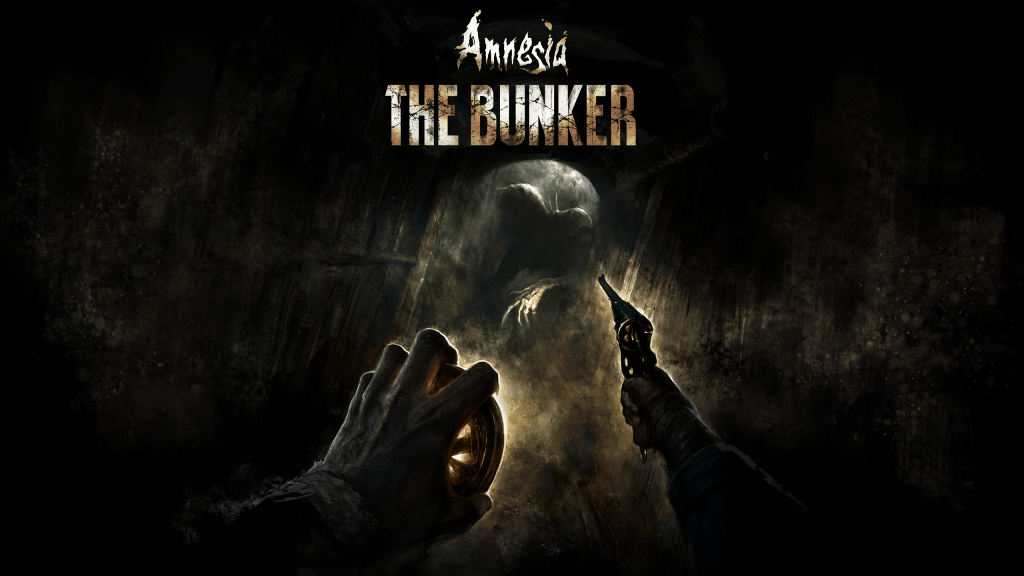
Since Amnesia: The Dark Descent in 2010, the premise of the indie stealth-horror series (plus sci-fi spinoff Soma) has remained consistent: awaken as a memory-challenged wretch in some bygone era, solve environmental puzzles, and avoid making eye contact with whatever’s slithering around the abandoned building you’re stuck in as you look for both answers and an exit. With The Bunker, though, it’s World War One, and developer Frictional Games adds a new twist accordingly: the titular barracks are under attack by more than just soldiers, but your generator only has so much fuel. What could otherwise be just a spooky walking sim, then, becomes a terrifying cycle of resource management and cost-benefit analysis, every trip deeper into a given tunnel valued in real-world minutes until the lights go out and your nocturnal pursuer gains the upper claw.
As ever, there’s plenty of cheap deaths and finicky physics, and the conclusion is more eerie than satisfying, but the franchise hasn’t felt this fresh and anxiety-inducing in years. For genre fans, you can’t go wrong with hunkering down in this bunker.
#9) The Legend of Zelda: Tears of the Kingdom
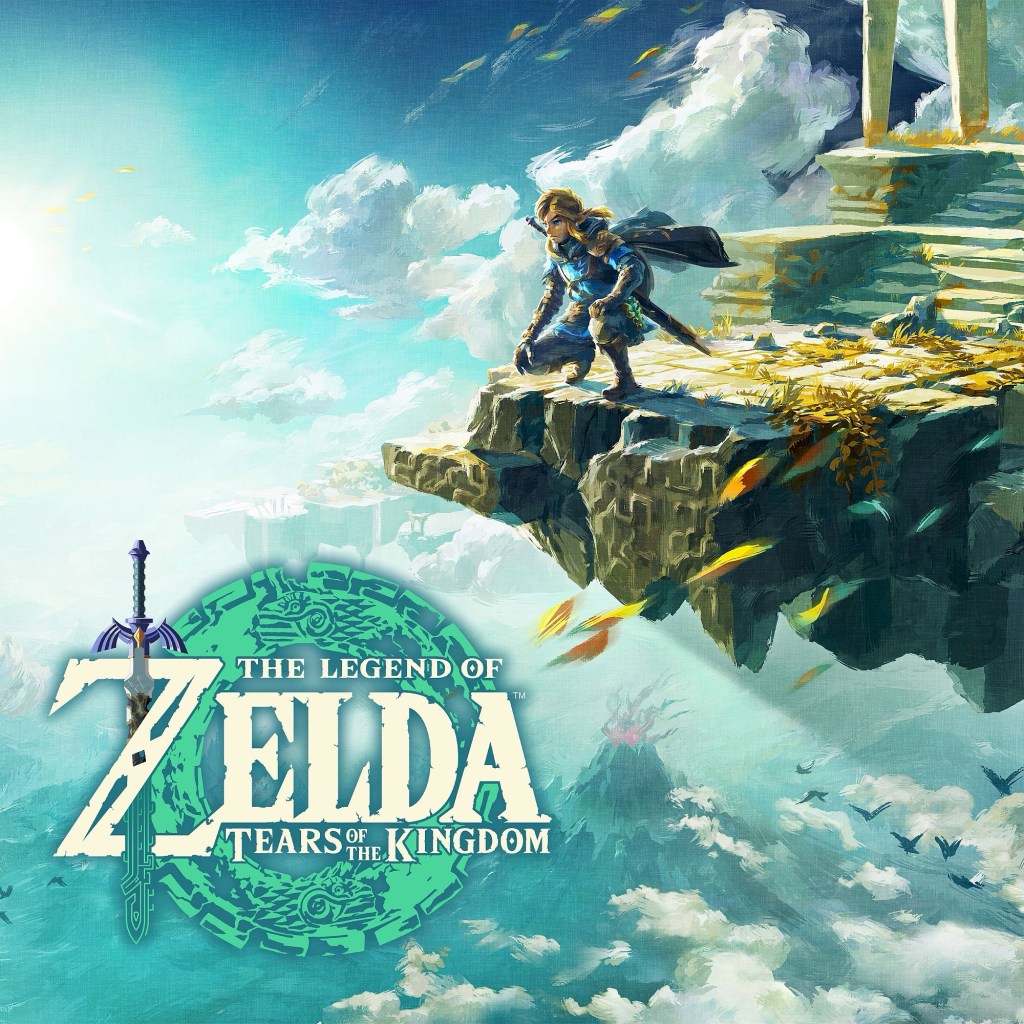
Can a game be both a sequel and, effectively, DLC for the last one? It’s a query that’s arisen more and more in recent years, as ballooning development costs and higher demand for consistency between entries have led to many follow-ups taking place, in whole or in part, on maps carried over from their predecessor. The Legend of Zelda: Tears of the Kingdom may well be the poster boy for this trend: the graphics look the same and the overworld is functionally identical, so if, like me, you spent a hundred hours exploring post-robopocalypse Hyrule in 2017, the magic’s just not quite there anymore.
It’s the underworld, though—and the, uh, over-overworld—where Tears both flows freely and reconnects with the series’ roots, as in addition to a bevy of caves and flying islands, we get a roundabout Dark World with The Depths: a subterranean abyss full of new monsters and challenges. Add in some honest-to-Goddesses (if not meager) dungeons and bosses, a stirring dual-timelines plot, and arguably the most robust physics-based crafting system… ever, and you’ve got an adventure which, while missing the impact of Breath of the Wild, improves upon everything which made that game great, and adds much of what it lacked. As contemporary sequels go, that’s alright with me!
#8) Resident Evil 4

Whether Resident Evil 4 is one of the greatest games ever can make for a spirited discussion, but there can be no debate that it’s one of the most influential: from Gears of War to Dead Space to The Last of Us, if you’ve played a game about a guy with a weapon in his hand and a camera over his shoulder that came out in the last eighteen years, you’ve probably got Leon and Ashley here to thank for it.
Expectations were high, then, for Capcom to nail a modern reimagining of the action-horror classic in keeping with the Resident Evil 2 and 3 remakes—and it’s safe to say they delivered. If you’re an RE4 diehard, it may all seem a bit too slick yet familiar, but at least for a casual fan such as myself (I didn’t play the ‘05 version in earnest until the PC port, mere years ago), this is an update in the best way: satisfying gunplay, stellar graphics, and a script which retains the original’s cheesy thrills while both knowing what to cut (sorry, statue-fleeing QTE) and where to add breathing room (a wide-linear lake segment). Post-game support, in the form of comparable revisions of “The Mercenaries” arcade mode and Ada Wong’s “Separate Ways,” are just the icing on the campy, gore-drenched cake!
#7) Star Wars: Jedi – Survivor

When I was a kid, a new Star Wars story coming out was a capital-E event—I still remember the months leading up to the 1999 release of The Phantom Menace in particular, when everything from Pepsi cans to KFC buckets had the cast’s faces plastered on it, heralds of a date so monumental that it was as if the new millennium was coming a year early. Post-The Force Awakens, though, with new shows dropping semiannually and George Lucas’s original vision—however bungled and childish—distended into an indefinite cinematic universe, I must confess that I feel like Yoda under his blanket in Return of the Jedi, on the verge of just evaporating from the burden of so much extraneous ~content~.
All of this is to say that it takes a lot for me to get invested in a galaxy far, far away these days, but Star Wars: Jedi – Survivor (I think that’s where those punctuation marks go) earns it. Like 2019’s Jedi – Fallen Order, from which its events directly follow, it’s a single-player, story-driven action game which combines the combat loop of a Soulslike, the madcap setpieces of an Uncharted, and the block-pushing of a traditional Zelda (it’s a compliment, I swear) with a cast of likeable characters who develop themselves and the Star Wars universe in compelling ways, all without sacrificing the series’ pulpy charm. Like many sequels, its conclusion feels more like a stepping stone to some grand finale than its own resolution, but hey—for a brand defined by sets of trilogies, I’m sure another memorable adventure with Cal Kestis and company is just a few parsecs away!
#6) Pikmin 4
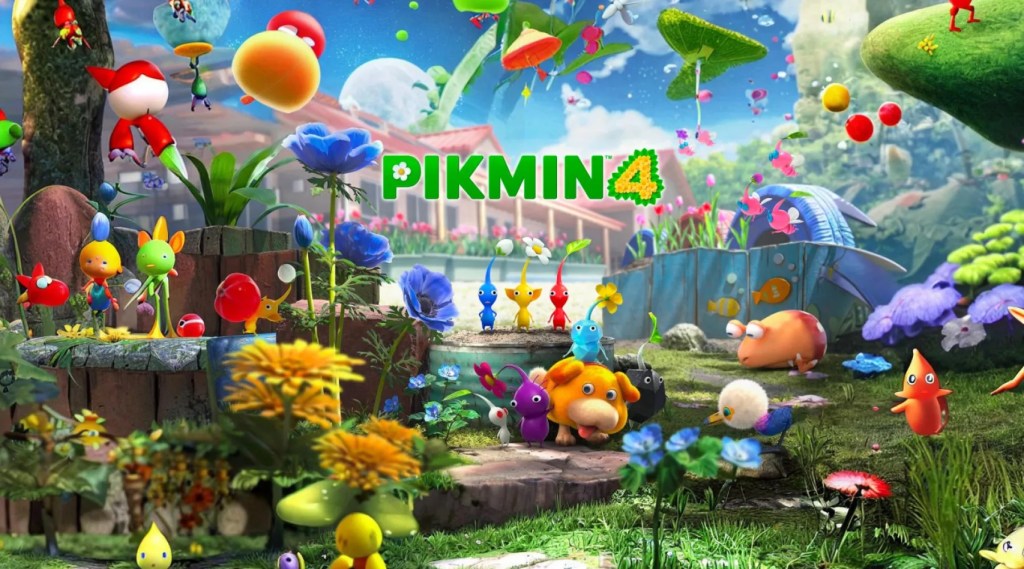
Among Nintendo’s many beloved IPs, Pikmin is perhaps the oddest, if not for its conceit (diminutive astronauts enlist peppy plant people to salvage valuables on an ambiguously abandoned Earth) then definitely for its sparseness, with only two sequels in as many decades (we don’t talk about Hey! Pikmin). That changed in 2023 with Pikmin 4, and while this installment is certainly the most accessible yet, it’s all relative—even with a suite of defensive options and the privilege to re-do a bum expedition, you’ll still have your hands full and palms sweaty managing elemental types, tearing down obstacles, and trying to nab as much loot as possible before sunset.
But thanks to new nighttime missions, the day being over no longer means your adventure is, while a cadre of stranded coworkers make for good company in the hub area, whether by handing out upgrades or allowing you to restyle your custom protagonist. Did I mention there’s also a little dog-like alien to ride, as well as all-new competitive segments where you see who can lift the most trinkets in time? If the word “Dandori” doesn’t mean anything to you, play this latest Pikmin, and it’ll become your mantra soon enough.
#5) Final Fantasy XVI
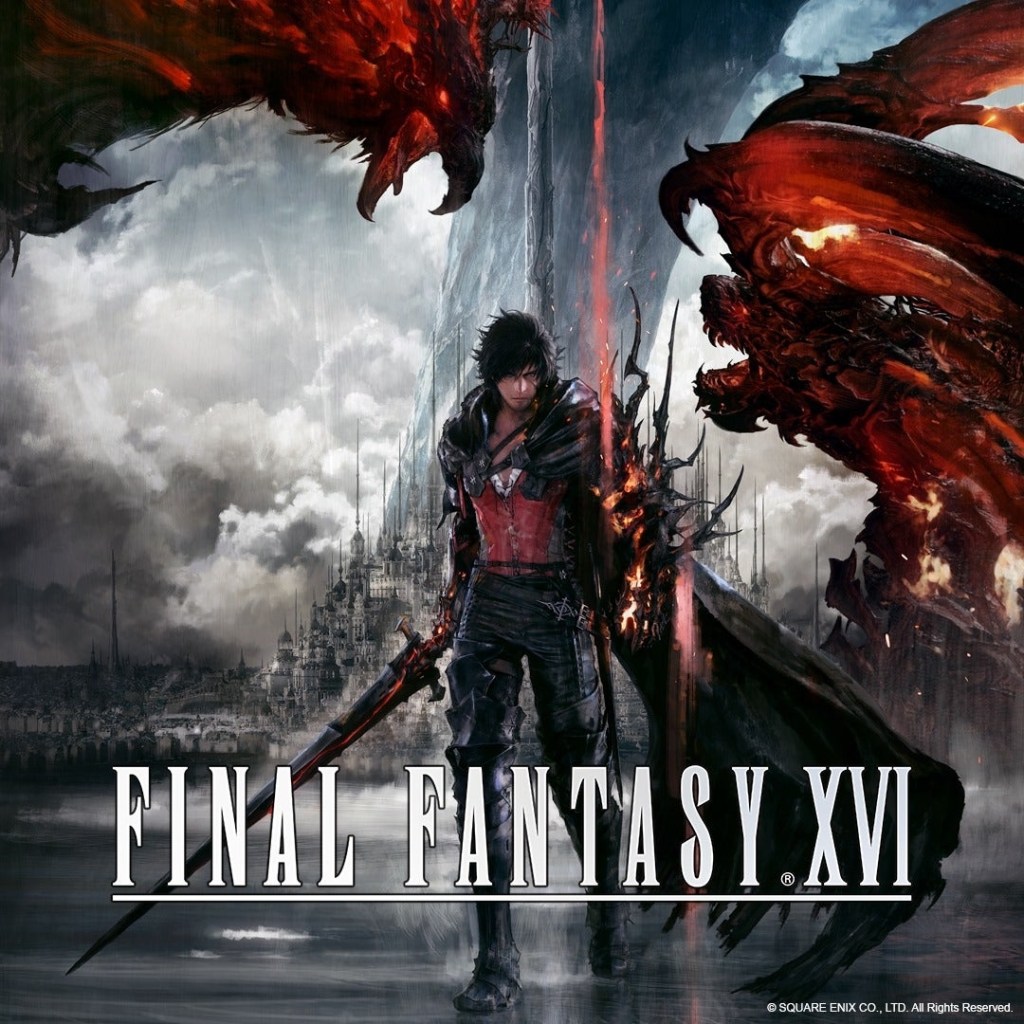
What is a Final Fantasy game? That’s not a rhetorical question—after over 35 years, seven console generations, and an untold number of androgynous hunks with spiky haircuts, I’m still genuinely curious. To some, it’s a turn-based JRPG, plain and simple; to others, it’s a checklist of endearingly specific elements: Moogles, magic crystals, deicide, a guy named “Cid” with a vehicle to loan out. Whatever its core values, Final Fantasy XVI caused a stir this year, as not only was it the first Fantasy to secure an M rating, but the gameplay is the simplest the mainline series has ever seen, even after XV’s “hold A to attack, hold B to dodge” format. There’s a relative handful of meaningful items or equipment upgrades, most levels are a chain of slim corridors broken up by vacant fields, and on the rare occasion a fight is difficult enough that you die, you’re given the choice to resurrect on the spot with more Potions.
And yet, call me a lowly Branded, but I had a blast, because when this game gets going, holy hell does it go. From the cold open, where you drop into a battle between two kaiju plummeting into the earth like Gandalf and the Balrog on steroids, the design directive is clear: make a boss fight as exciting as possible, and then make the next one even more exciting. This is not an RPG, it’s a cinematic spectacle fighter, and while I can understand why sticklers might bristle at that arguable dumbing-down, it’s a blessing under my roof—there are brawls in FF16 which make God of War look reserved, including at least one which even rivals the OTT spectacle of Asura’s Wrath. Routine encounters are exciting as well, as juggling melee combos, ranged shots, a canine companion, and nearly a dozen magic attacks means there’s literally never a dull moment in the heat of battle.
The music is invigorating, the characters are compelling, and while certain scandalous asides and the warring-kingdoms drama are transparent nods to Game of Thrones, it suits a world (in)famous for complicated, continent-spanning mythology. I didn’t expect a major developer to revive the glory days of early-2010s character action games, but I’m so grateful that Square-Enix pulled out a Phoenix Down and made it happen.
#4) Spider-Man 2

Tears of the Kingdom wasn’t the only game this year which followed up an acclaimed open-world console exclusive with a sequel set in more or less the same location! To be sure, Spider-Man 2 takes place in a New York that’ll be mighty familiar to anyone who played Spider-Man or the Miles Morales expansion which accompanied its intervening remaster… but while I still feel like Tom Holland-izing Peter Parker’s face in-between entries was uncalled for, it can’t be understated just how fun this game is, both to gawk at and to play.
The Big Apple has never shone so brightly in the medium, and thanks to the subtly enhanced power of the PS5, you can swing, launch, and now outright fly across not only Manhattan but also western Queens and Brooklyn, without a loading screen to be found—including the fastest fast-travel system I’ve ever experienced. Combat remains delightfully chaotic yet coherent, there’s oodles of collectibles (including some seriously sick suits), and being able to swap between two web-slingers at virtually any time is a great feature.
While the story is admittedly less focused than Spider-Man 2018, it balances our heroes’ great powers and responsibilities well: Miles must weigh an opportunity to confront Mr. Negative against the safety of his community, while Pete’s elation at a recovered Harry Osborne inviting him onboard a scientific foundation is tempered when a certain “symbiote” takes a liking to their bodies. Per usual, a threequel is all but explicitly set up, but I can’t wait to see what these Spider-Men do next.
#3) Super Mario Wonder
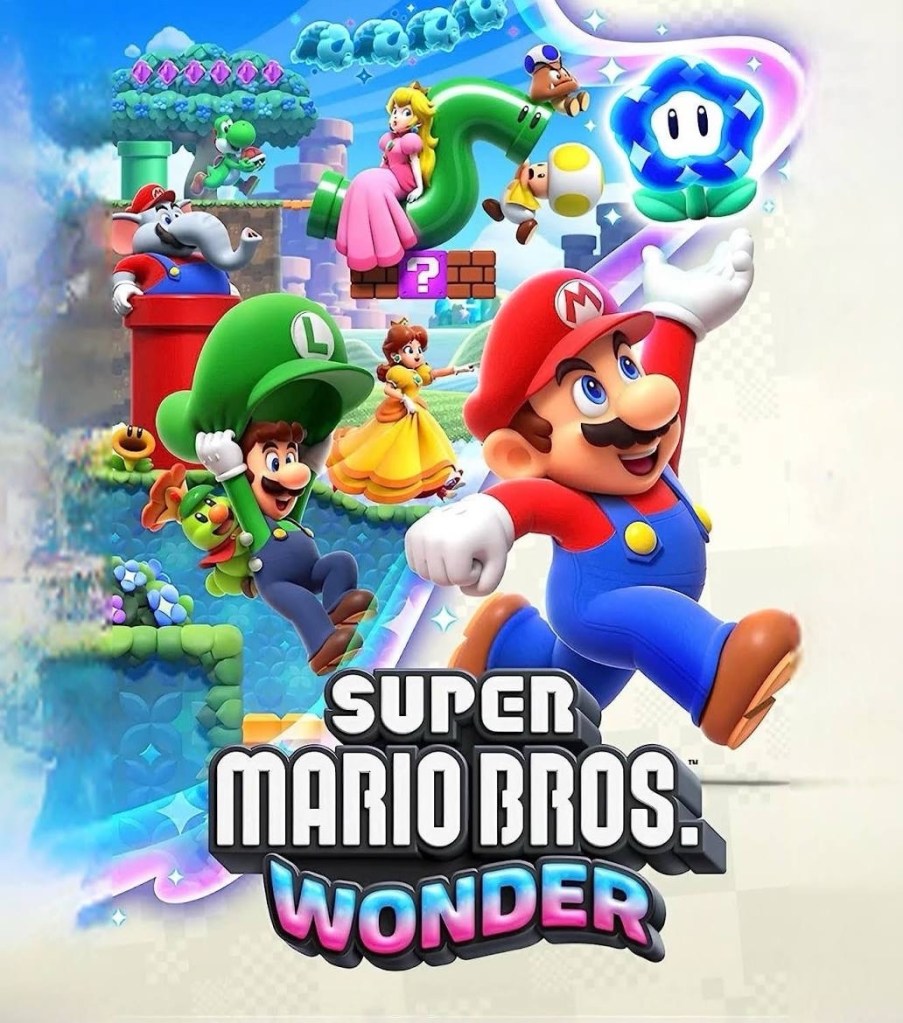
Among the major videogame developers, Nintendo gets a lot of flack, and not without reason: whether it’s antiquated hardware, letting celebrated franchises stagnate for inscrutable reasons, or the Disney-like dissonance of wielding both a family-friendly image and a ruthless legal department, there’s plenty to dislike about The Big N (wait, does anybody still call them that?). But at the end of the day, there’s arguably no other company that, at least in their first-party efforts, answers one simple question with polish and verve: what would make people smile?
To that end, Super Mario Bros. Wonder delivers a cavalcade of clever, colorful, and rambunctious platforming challenges that can be enjoyed solo or with friends. After years of the New Super Mario Bros. sub-series coasting off nostalgia (to the point that the adjective in its title stopped even being accurate), the name change is both an implicit statement of intent and a merry warning—for with every level comes a strange new enemy or hazard to navigate, crescendoing with the acquisition of a trippy “Wonder Seed” which throws time and space itself into unpredictable tumult. Structurally, there’s nothing here you haven’t seen before—and don’t expect a plot more complicated than “Bowser’s at it again!”—but when it comes to the journey mattering more than the destination, this latest outing with the bros is a wonder indeed. Now if only two-player mode didn’t cause one guy to die if the other one just moves a little too far in any direction…
#2) Alan Wake II
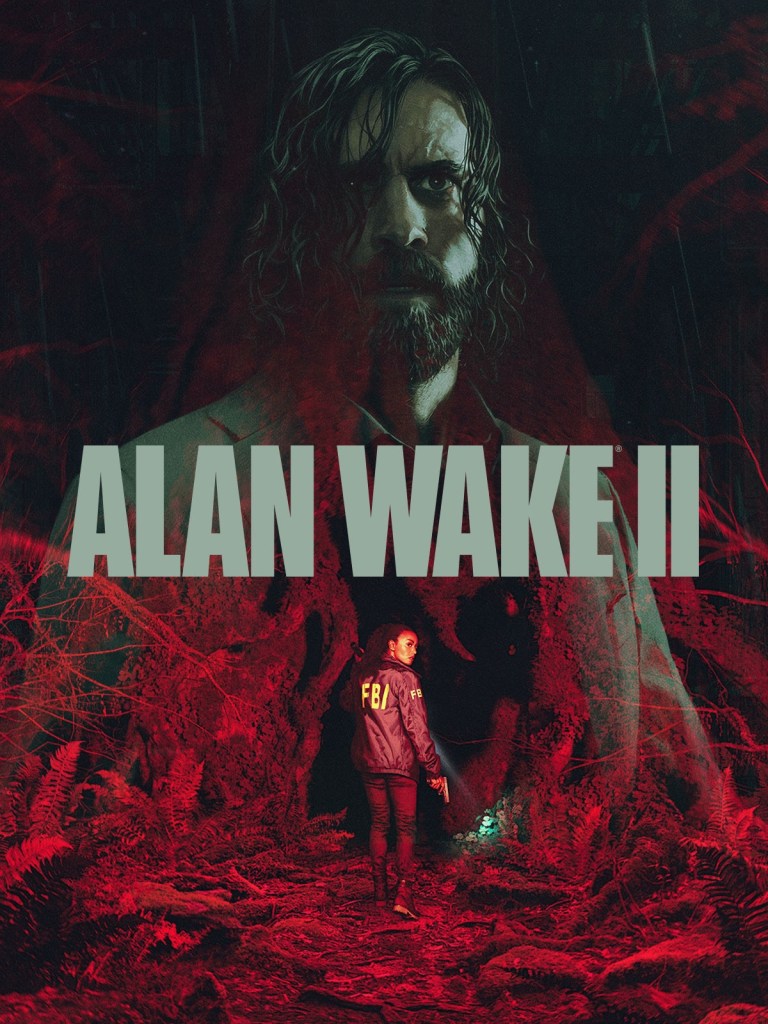
Trevor reclined on his couch, holding his phone in front of him like a menu at a bar whose drinks he wasn’t sure he could afford. It was more comfortable than hunching in front of a computer, let alone a typewriter, and yet the words wouldn’t come. He had to review “Alan Wake II,” the long-awaited sequel to the 2010 videogame developed by Remedy Entertainment which combined a setting inspired by the television series “Twin Peaks” and “The Twilight Zone” with a tale of a writer tormented by dark spirits ripped right from the pages of a Stephen King novel. But where to start?
Should he lead with the story, how it skillfully balanced episodes about not only Alan’s struggle to escape Cauldron Lake after thirteen years but also Saga Anderson, an FBI agent investigating a murder cult in Bright Falls with ties to her own past? Would it be ideal to focus on the gameplay, which– while often cumbersome and simplistic–looked better than ever, every building convincingly cluttered and dark forest ripe with fear lurking behind each tree? Or were the personal touches the most important, the enthusiasm with which Remedy included so many signatures that resonated with Trevor as well? Rock-show musical numbers, live-action interludes, Finnish cultural pride, the mere fact that it starred a horror writer and took place in rural Washington State and New York City, both places he had lived? No, surely it was right to at least open with a tribute to the recently deceased James McCaffrey, whose weathered voice brought so much presence to not only Agent Alex Casey but also Max Payne, upon whom the new character bearing director Sam Lake’s face was clearly based.
Trevor sighed, rubbed his eyes, and put his phone down on the coffee table to go make some lunch. He may as well have been staring into a bottomless pit, a black void stretching into infinity. As uneven as it could sometimes be, when it came to writing about Alan Wake II, the amount of praise he had to give wasn’t a lake. It was an ocean.
#1) Hi-Fi Rush
On February 14, 1991, The Silence of the Lambs released in theaters across America. Starring Anthony Hopkins, Jodie Foster, and Ted Levine, the film made back over ten times its budget and swept the Academy Awards the following year, winning Best Director, Best Actor and Actress, Best Adapted Screenplay (from Thomas Harris’s novel), and Best Picture. To date, it is considered by many to be one of the greatest motion pictures of all time.
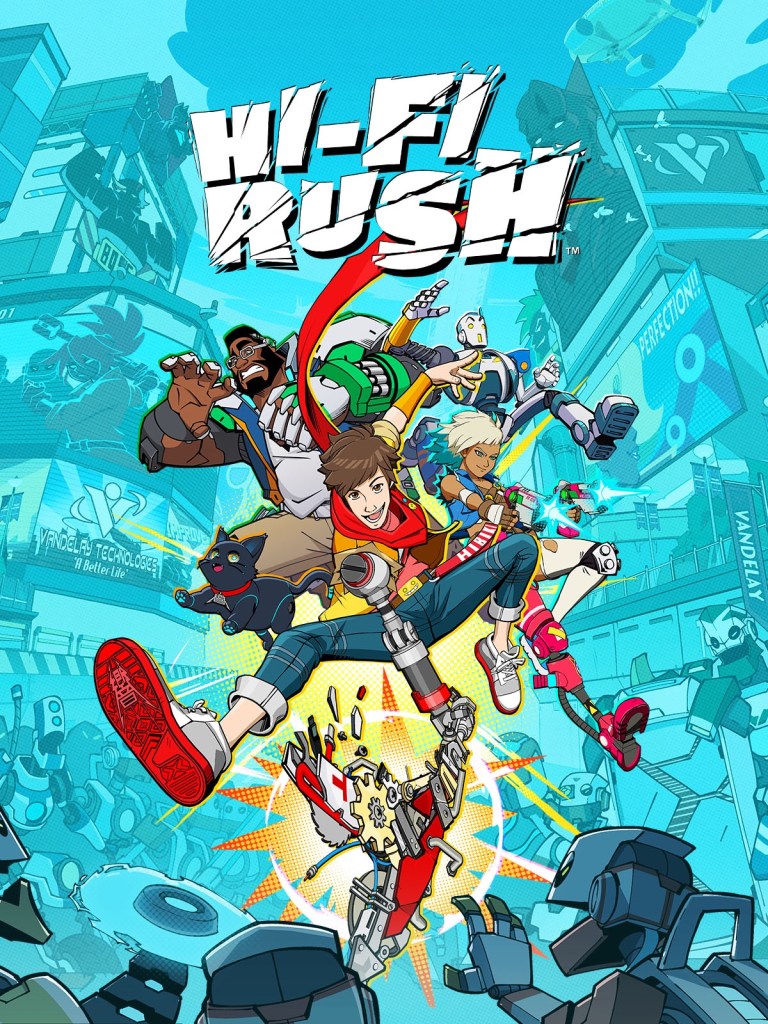
What on God’s metallic, neon-green earth does this have to do with Hi-Fi Rush, a jaunty little character action game inspired, if anything, by a combination of Guitar Hero, Devil May Cry, and Toonami reruns? Well, aside from the fact that developer Tango Gameworks is best known for creepy, grisly titles like The Evil Within and Ghostwire: Tokyo, it’s proof positive (in this humble critic’s opinion) that, sometimes, the winner comes forth at the beginning of the year, not near the end. Hi-Fi Rush was both announced and released on January 25, 2023, and since that surprise drop, I haven’t been able to stop gushing about it, nor—with generous bonus DLC—run out of reasons to return to it. This coming from a man whose reaction to rhythm games is typically to run in the opposite direction with poorly timed steps!
With an effervescent art style and a diverse gang of characters to match, fights aren’t a chore but a joy, and the pace is precision-tuned to keep you always upbeat, always eager to earn another “S” rank or grind down the next railing. During bosses or big cutscenes, the original score gives way to licensed cuts, and while there’s few tunes by music game standards, it’s a matter of quality over quantity—I never thought I’d face off against a buff she-wrestler while Nine Inch Nails’ despondent banger “1,000,000” thrums in the background, but it’s dreams like these that gaming brings to fruition. Also, leave it to this tracklist to indirectly inform me of a Smashing Pumpkins side project, Zwan, that’d somehow escaped my notice!
Hi-Fi Rush is, as much as my bones creak to consider it, an ode to 2000s nostalgia, back when teams of anime-tinged rebels ruled the airwaves and videogames were about power-ups and youthful ‘tude, not pay-to-play battle passes or weary fatherhood. It’s a game by people who know what makes them fun, made for people who share that wisdom. It’s not much, maybe, but as comforts go, it’s like a favorite song on a long drive with friends, volume cranked and windows down.
—————
And that’s, blessedly, a wrap on this turkey of a tour around the sun! I don’t know much about the future (if I did, I’d have quit my job ages ago and become a for-profit prophet), but I do know that there’ll be many more opportunities to come: opportunities to enjoy some fun games, yes, be they long-awaited and AAA or indie hits slumbering in your Steam backlog, but also to put the controller down and tackle the real quests, whether that’s moving on up in your job, finishing that book (reading or writing), or finally asking out that person who you just haven’t had a chance to chat with yet. As I said at the end of this list once, life can still make sense if you don’t force it to. I’m looking forward to 2024 being my most sensible year yet—how about you?
 Notes&Sketches