Top Stuff of 2025 – Top 10 Videogames

So, well… that’s 2025. Woohoo? I think few would call it one of their favorite trips around the sun—and yet, if you’re reading this, you’re still here, and I say that counts for a lot. In the meantime, too, some pretty remarkable videogames debuted on our screens! In deciding which to play, and which I then loved, I’ll admit it: I’m no tastemaker. I like what I like, and that typically involves at least one explosion or zombie per hour. Per usual, then, some critical darlings didn’t grab my attention, so you won’t find Citizen Sleeper 2 or Despelote among the annual accolades. Also, sorry, Silksong was way too hard. Still, whether for intellectual engagement or just a madcap free-for-all, ten in particular this year went down as prospective classics!

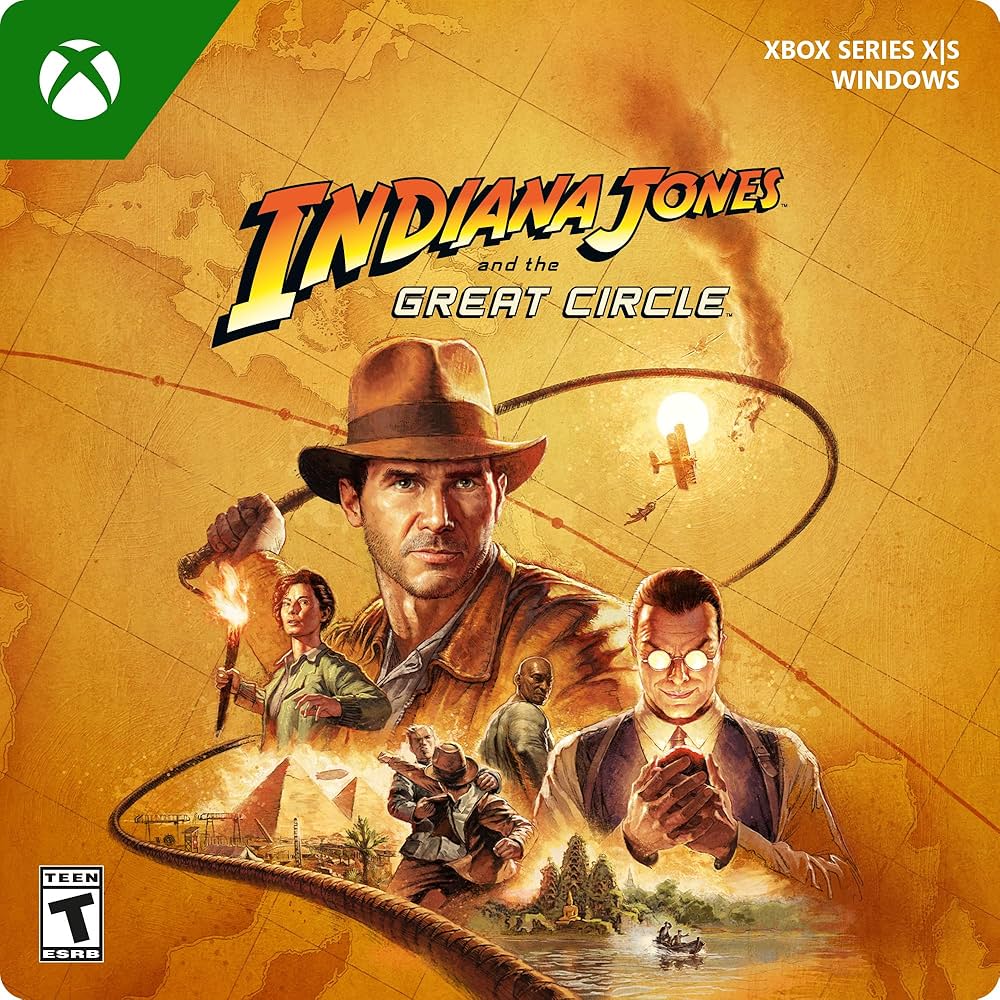
When Wolfenstein ward MachineGames was tapped to produce a new Indiana Jones, it was the “yeah, makes sense” heard ‘round the world. But unlike that other series about an all-American hero popping paranormal fascists, The Great Circle prioritizes feeling like Indy over being yet another FPS, and it’s one of this generation’s most exciting AAA offerings for it. Intervening imitators like Uncharted haven’t rendered Indy obsolete; there’s bullets to spare, but you’ll more often be cracking whips and quips, donning disguises, wolfing down food, or consulting textbooks to up your odds of surviving the next spike trap. Between Harrison Ford’s era-appropriate likeness and celeb VA Troy Baker’s uncanny imitation, it’s as if Dr. Jones really did gain eternal life upon drinking from the Grail! For a guy whose boyhood was built on flicks like Raiders of the Lost Ark (here recalled as a tutorial)—and with a lot of unpunched Nazis rising in power—this globetrotting thrill ride was just what I needed to kick off 2025. Let’s hear it for one of Tony Todd’s final performances, too!

I grew up in a Nintendo household, which means my current CV includes a part-time position complaining about their new stuff. Imagine my pleasant surprise, then, when—after a mid Paper Mario crossover and a pair of remakes—the Mario & Luigi subseries pulled into port with a fresh bounty of fun. M&L has long been a bastion of weird humor and clever gameplay, and Brothership’s got both in abundance, alternating between captaining the vessel in question and traversing islands full of oddball obstacles. The opening may be slow, but as the ocean expands, the theme of connection—literal and figurative—permeates plot and art design alike, culminating in the eerie/epic climax I’ve come to love from Mario RPGs. For as long as it’s been in their joint moniker, the bond between these plucky plumbers has rarely been explored by their games. As a sibling myself, I was elated to see what makes these bros so super finally honored.

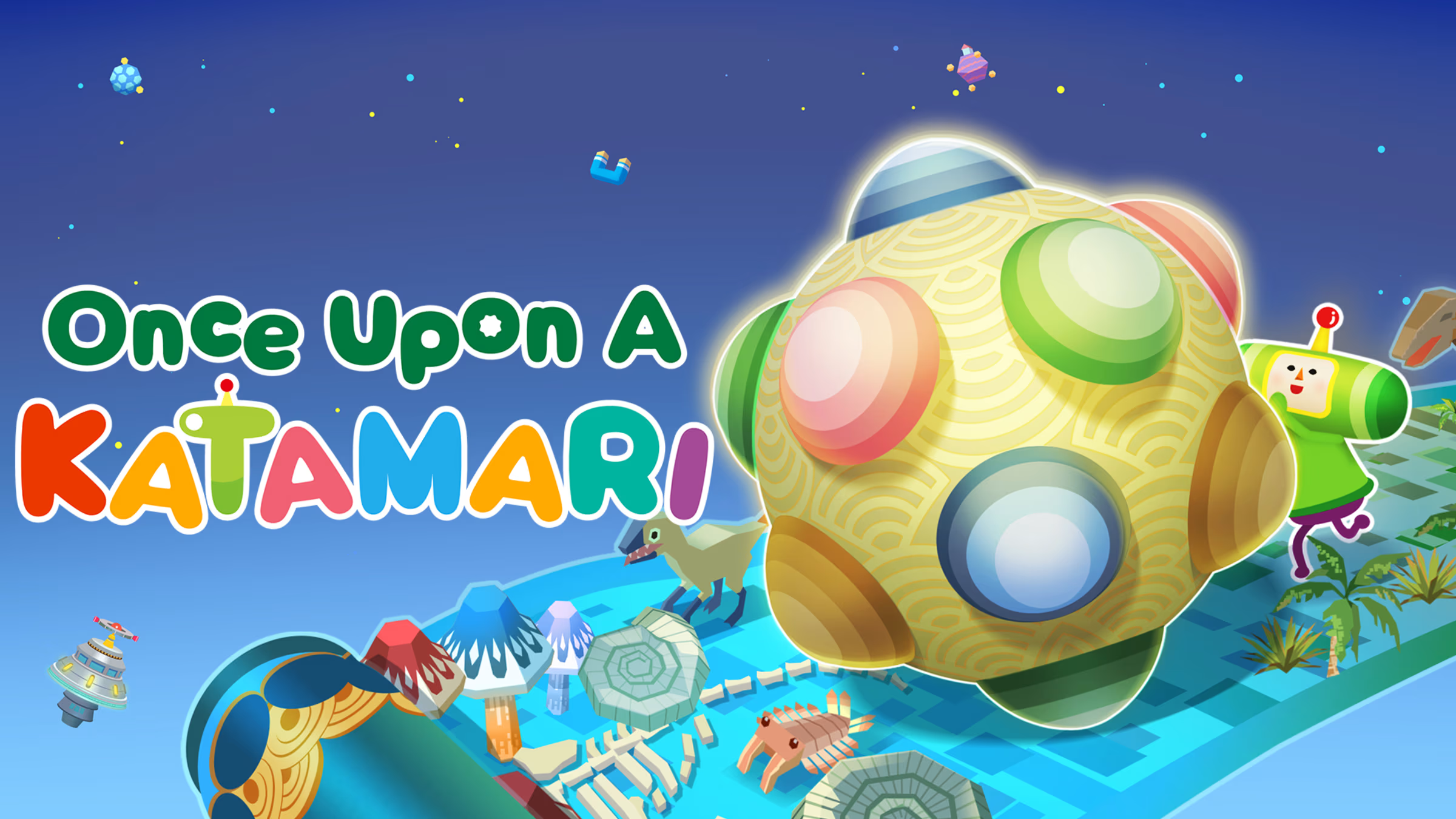
Circa Y2K, a certain template came to be associated with games that were, in the parlance of the period, “very Japanese”: garish, absurd, juvenile, and only occasionally profitable. In hindsight, how Westerners regarded these imports could be… dicey, but through said window of opportunity tumbled Katamari Damacy—and thank the King of All Cosmos for that! Once Upon a Katamari knows its strengths, and they’re the same as two decades ago: charmingly blocky visuals, an exuberant soundtrack, and the perpetual dark comedy of effectively becoming an apocalyptic dung beetle. A time-travel premise keeps environments more varied than ever, though, and a few quality-of-life improvements make navigation a breeze (comparatively; you’re still steering a sphere). From the opening notes to when credits literally roll, it’s a crazy yet cozy joy. What can I say—I had a ball!
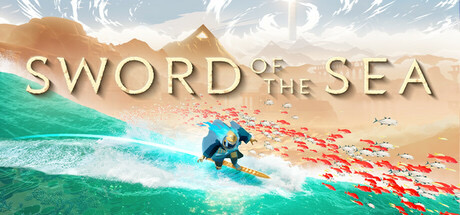
It’s one thing to make a game beautiful, it’s another to make it entertaining to play, not just to watch. Many of my favorites (including some to follow) succeed at both, but few have that formula on lock like Giant Squid, whose unions of art director Matt Nava and composer Austin Wintory birth some of the most breathtaking play-centric experiences around. In 2025, they followed up ABZÛ and The Pathless with another game about a lithe loner speedily restoring life to a desolate realm… but this time, you can do sick tricks. “X-Games meets Journey” shouldn’t work; that it does is a testament to the creativity it takes to sculpt what could be just another pensive platformer into something unforgettable.

Skate Story - IGN

Is there an echo in here? Perhaps, but I think this artful, alliterative sports sim is even better than the last. Whereas Sword of the Sea tends to literally coast on its association with spiritual sisters, Skate Story embraces the spooky yet silly flavor for which Devolver Digital is known. Thrust into the Vans of a “demon made of glass and pain,” you just want to sate your hunger but must descend through an urban, bureaucratic Underworld to do so… trusty board in hand. Developer Sam Eng has crafted a katabasis as rebellious as its protagonist, where cutscenes bleed and glimmer into the letterbox, and poetry pours forth alongside ollies and kickflips. This is radical folklore, the “Haunted PS1” ethos applied to another now-nostalgic genre, infectious soundtrack/stunt-centric speedways and all. Take away my Millennial card if you wish, but I never got into Tony Hawk’s Pro Skater—now, I’m counting the minutes until I can grind those hellish curbs once more.
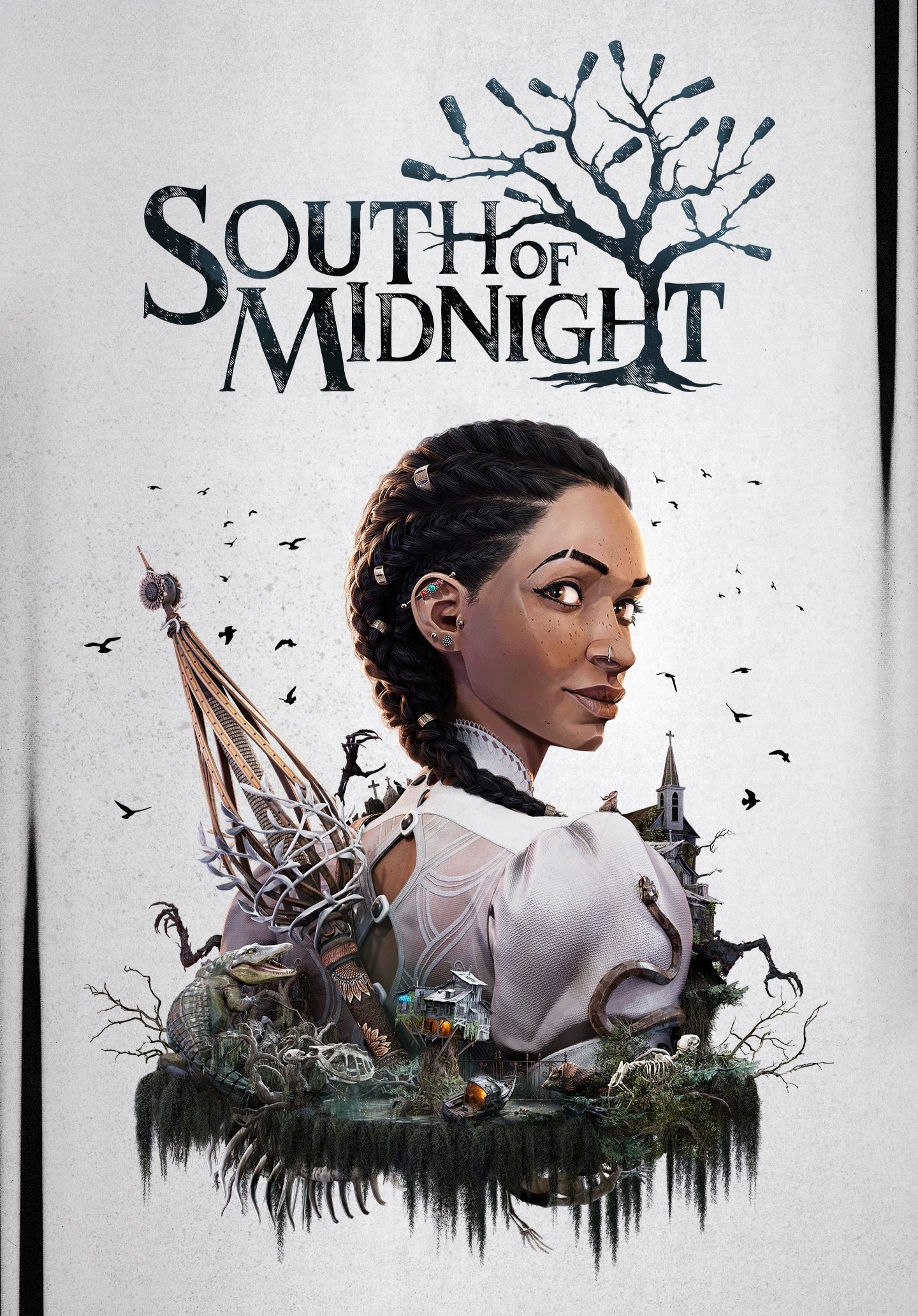
At any game trailers showcase, it’s tempting to say “take a shot every time you’re a guy with a sword,” but I’d hate to encourage binge drinking. Lots of trends have their hooks in mainstream gaming, not all of which welcome stories with different stars or settings. As such, South of Midnight—the rare Xbox semi-exclusive, as Microsoft shuffles off their console-war coil—was a unique delight: a story-driven action game about women of color with lore, looks, and music steeped in the Deep South. You’re still traversing otherworldly environs and slashing baddies to clear up supernatural gunk, sure—certain boxes were always going to be checked for a release this relatively high-profile. From its catfish companion to its compassionate conclusion, however, this remains a gorgeous tale of uncommon empathy and flair.
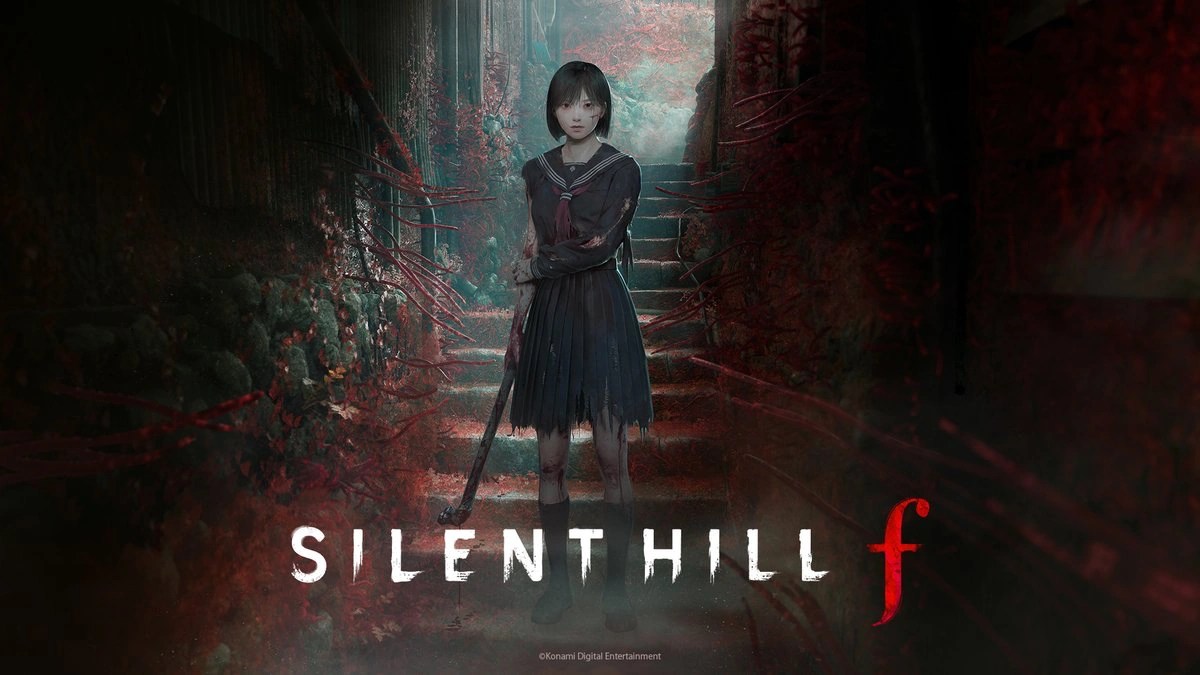
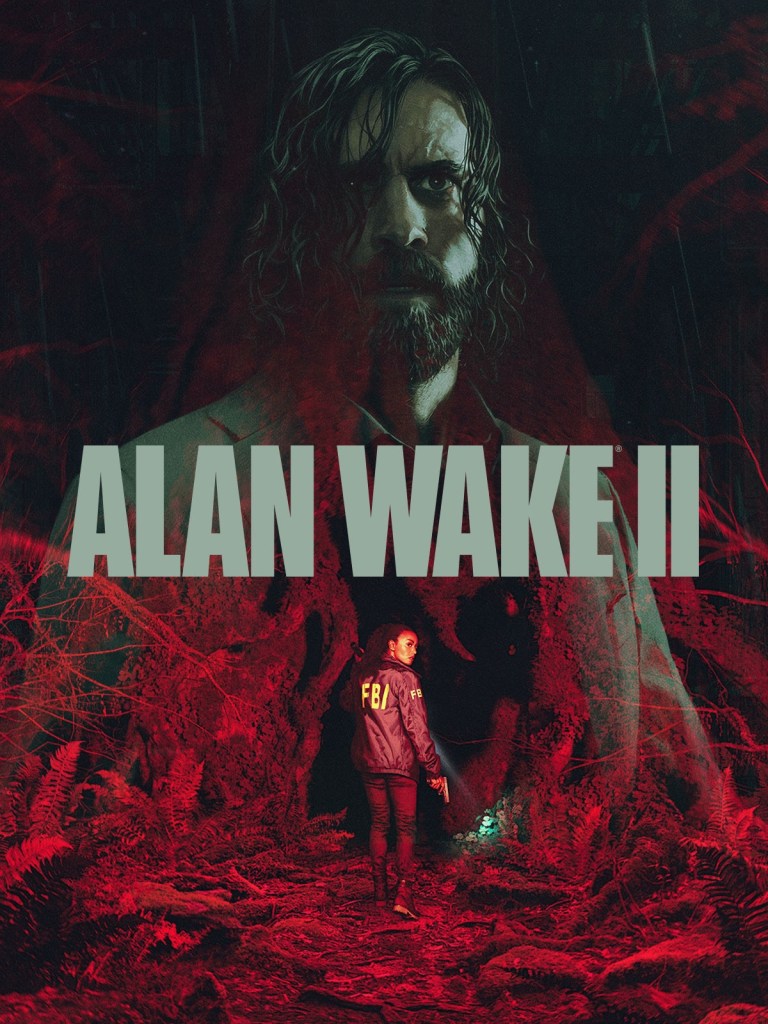
It was a dark joke for a while how little Konami seemed to value one of its flagship franchises, relegating a pillar of survival horror to skate decks and pachinko parlors. More recently, however, the publisher has thought twice, and after overseeing a laudable SH2 redo, 2025 was the year they pressed F to pay respects. Gone is the American Anytown of preceding entries, replaced with postwar rural Japan and a cast of schoolchildren, and yet—expanded combat and inventory aside—the series has returned to its roots as deeply as the bloody blooms polluting our heroine’s hometown. The mist, the mystery, the nightmarish knowledge that something is very wrong even as you must trudge forward: it’s all here, in service of a dive into the psyche of a teenage girl which makes the title stand out despite that lower case (there’s a reason this isn’t Silent Hill m). As ever, can’t promise I’ll do another run just to get a better ending, but this descent into madness left a deep mark on me all the same.

My thumb hurts. I started thinking that after only a few hours of Doom: The Dark Ages, which was only a few hours from its end (inevitable DLC pending). I still wanted more. This is not a thinking man’s game: at least on “Normal,” enemies telegraph attacks with intersection-sized light shows, and—unlike its predecessor’s resource-slim fracases—a pocket armory means the only thing you’ll see less than an empty magazine is a square inch unsplattered with guts. Ignore the metalhead storytelling if you please, then, but the animal excitement of charging into battle remains, this time across missions which range from medieval to Lovecraftian. Equipped with a buzzsaw shield that’s part Captain America, part Marcus Fenix, the Doomslayer has never been more aptly named, while dragon-riding segments infuse the wide-linear levels with welcome aerial variety. Also, this game contains the coolest image ever depicted, in any visual format: fist-fighting Cthulhu, in a mech, in Hell. God of War may no longer be with us, but in carrying on its gory yet gleeful irreverence, Doom reigns eternal.

Is Bloober Team in their redemption era? Unlike some critics, I never begrudged the studio for honoring their influences, but there’s no denying Bloober got big off the backs of any horror game that wasn’t nailed down. In Cronos, that template is Dead Space with a dash of Control, and yet the result is a trippy, traumatic downward spiral greater than the sum of its goopy parts. Cast as “The Traveler,” your armor may shine, but you’re no knight—what few survivors remain cower at your approach, and the world may not be worth saving. Fights are grueling, checkpoints scarce, but for hearkening back to Aughts shooters in aesthetics as much as tone, the difficulty’s only fitting. More than any satisfying headshot, the curiosity to find out what happened to this ruined alt-80’s Poland and why kept me stomping forth (hint: social distancing remains prudent). It’s alien yet human, grotesque yet enthralling, and rife with the moral quandaries that great sci-fi presents. And if you die, don’t worry… just try again. Such is our calling.
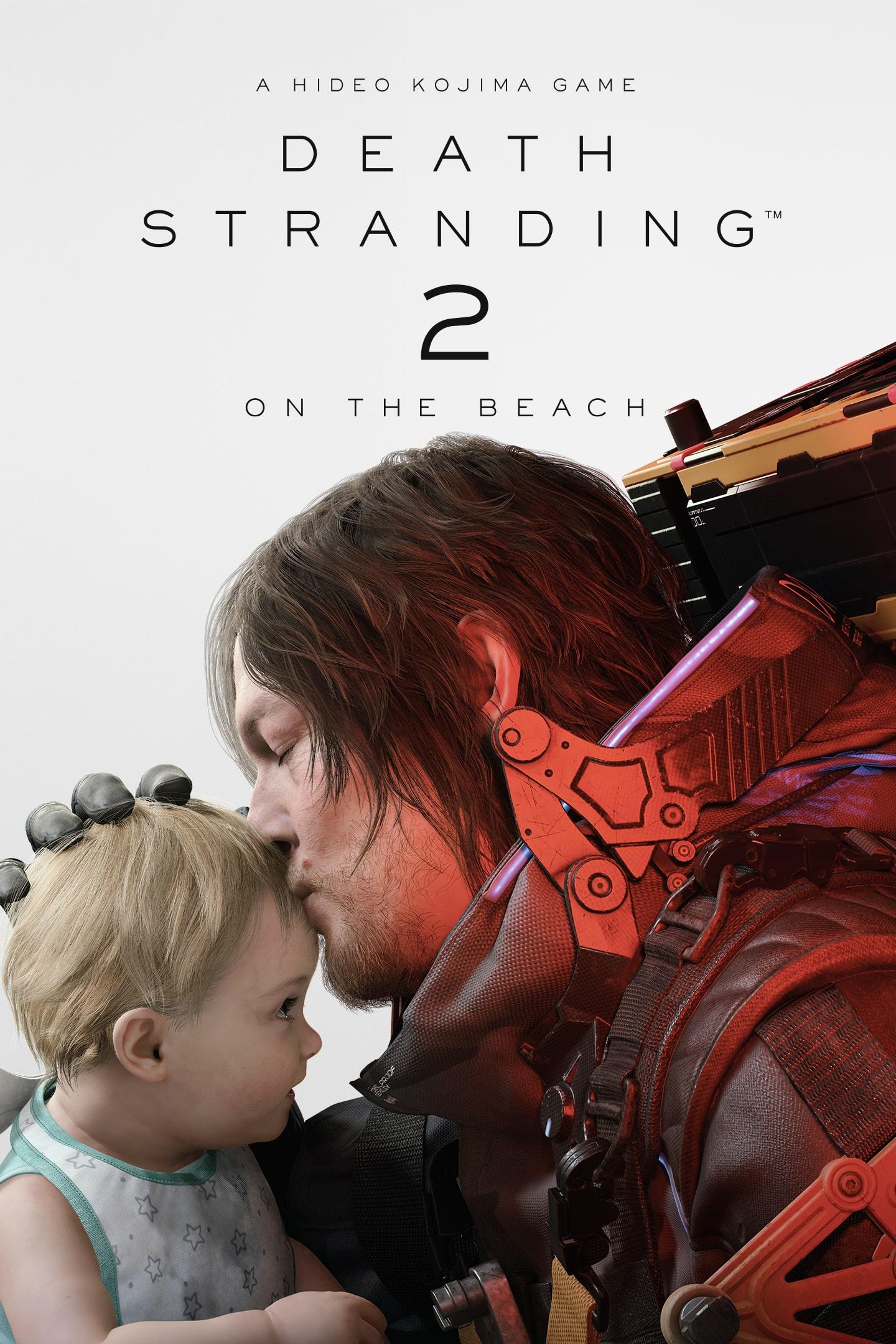
Once you’ve made a game about a canned fetus helping you throw pee grenades at interdimensional ghosts for Guillermo del Toro… how, exactly, do you follow up? For professional geek Hideo Kojima, the answer was—ironically—more of the same. Death Stranding 2 is, by some margin, the safest the rock-star dev’s ever played it: same doomsday DoorDashing, same rush of thumbs-uping holograms as you pop wheelies over rocky terrain, even another subplot about getting sucked into warfare against spooky skeletons and a mysterious man from your past. To say Death Stranding saved my life would only barely be exaggeration, so in truth, DS2 did leave me wanting more—and, in its newfound trigger-happiness, wanting less. Compared to peers, though, even average Kojima is still a top-fiver! The ethereal playlists, the lifelike graphics, Troy Baker (hello again!) chewing enough scenery to injure his jaw, the Yoji Shinkawa art design making it clear this dude really just wants another Metal Gear… it’s a lot, and not all of it works. If you’re out, I get it—but if you’re in, keep on keepin’ on.
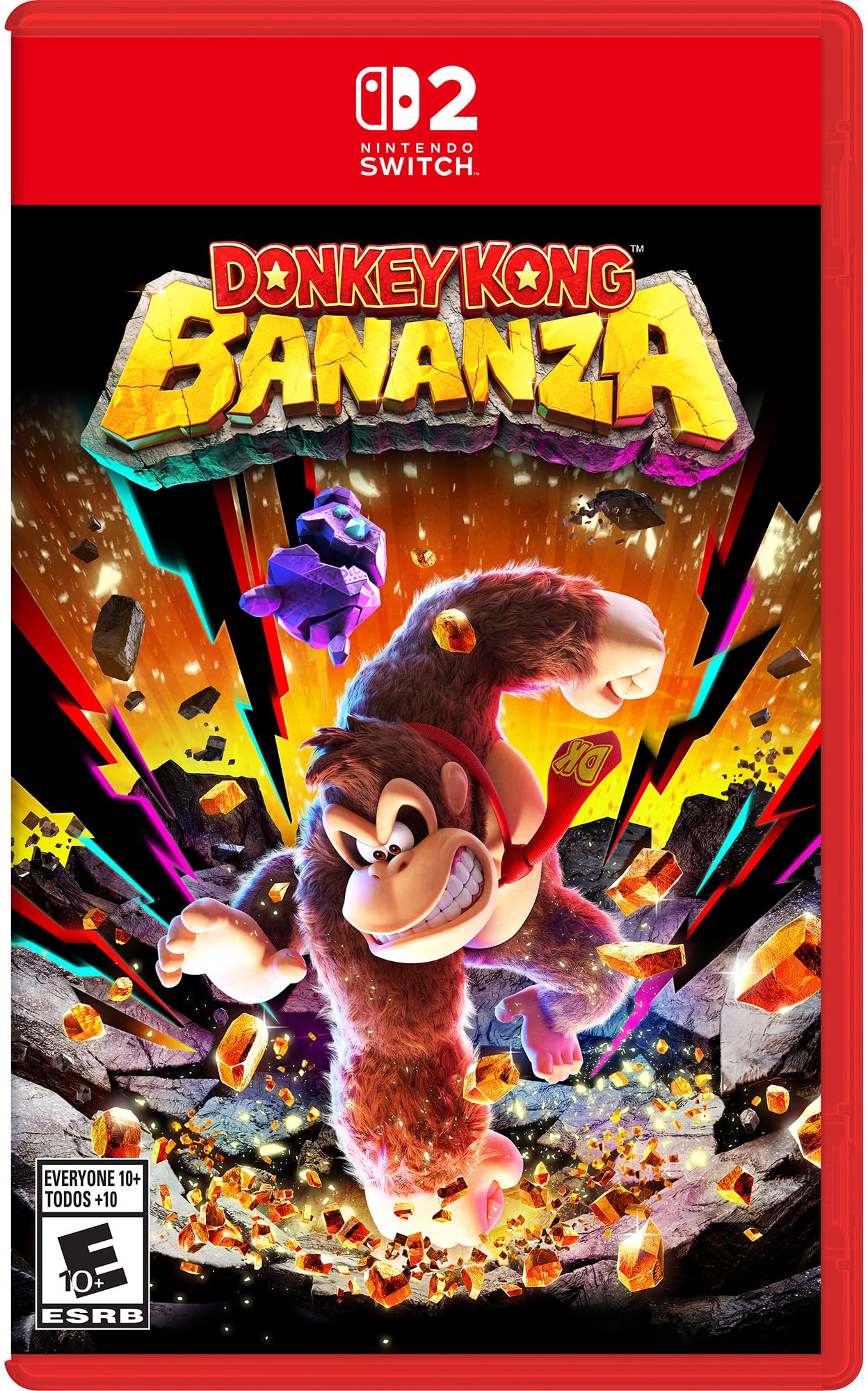
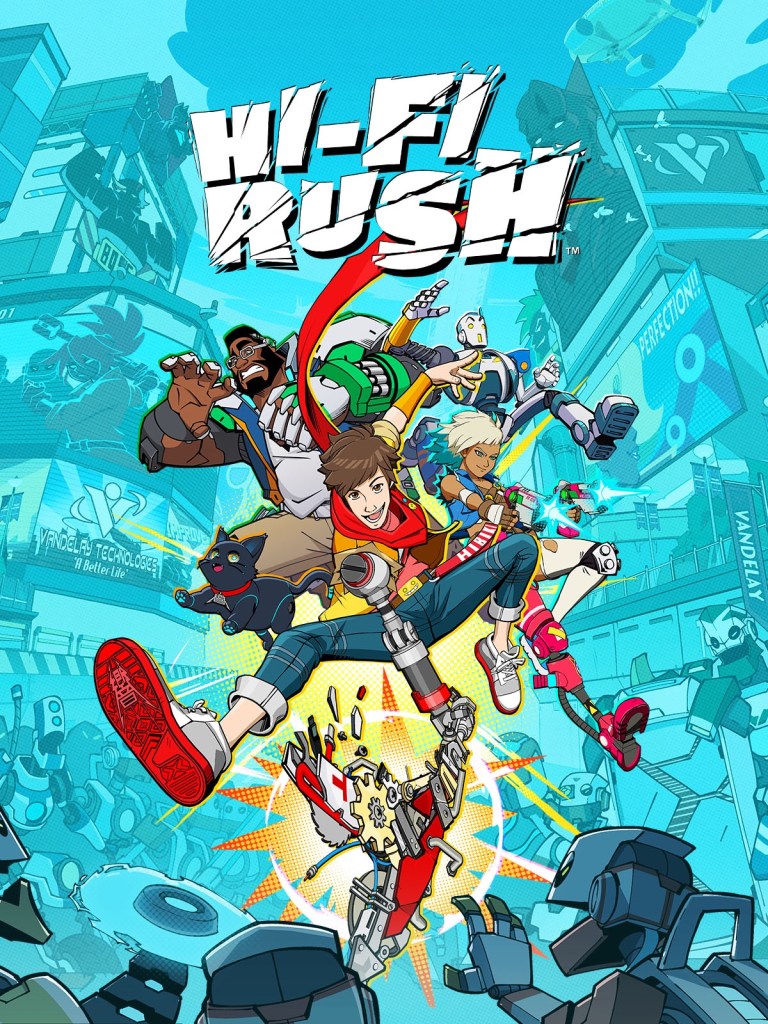
In 2010, in ostensible lead-up to that year’s big Wii release, Nintendo announced a pending trademark for “it’s on like Donkey Kong.” Stay classy, guys. Still, the phrase didn’t accrue value out of nowhere—owing to his villainous origins (and existing history of legal action), DK was a uniquely violent mascot before Mario or even Wario started throwing hands. In that spirit, Donkey Kong Bananza sees DK barreling out of hiatus and through the planet itself without missing a (jungle) beat, for a whole new spin on the collectathon. Games have explored terrain deformation before, but how thoroughly Bananza commits to the bit(s) makes every level a literal sandbox of colorful chaos. Punching one’s way through a nod back to King Kong’s Hollow Earth would be a pleasure enough, but—petite Pauline in tow—there’s endearing banter, DJ interludes, and countless side objectives to keep the good vibes going. Joycons equipped, I dare you to spend five minutes in this great ape’s necktie and not walk away with sweaty palms, craving crunchy bananas. The console may have launched with Mario Kart World (meh), but in reminding us what exhilarating wonders The Big N can still muster when they apply themselves, this is the Switch 2’s killer app.
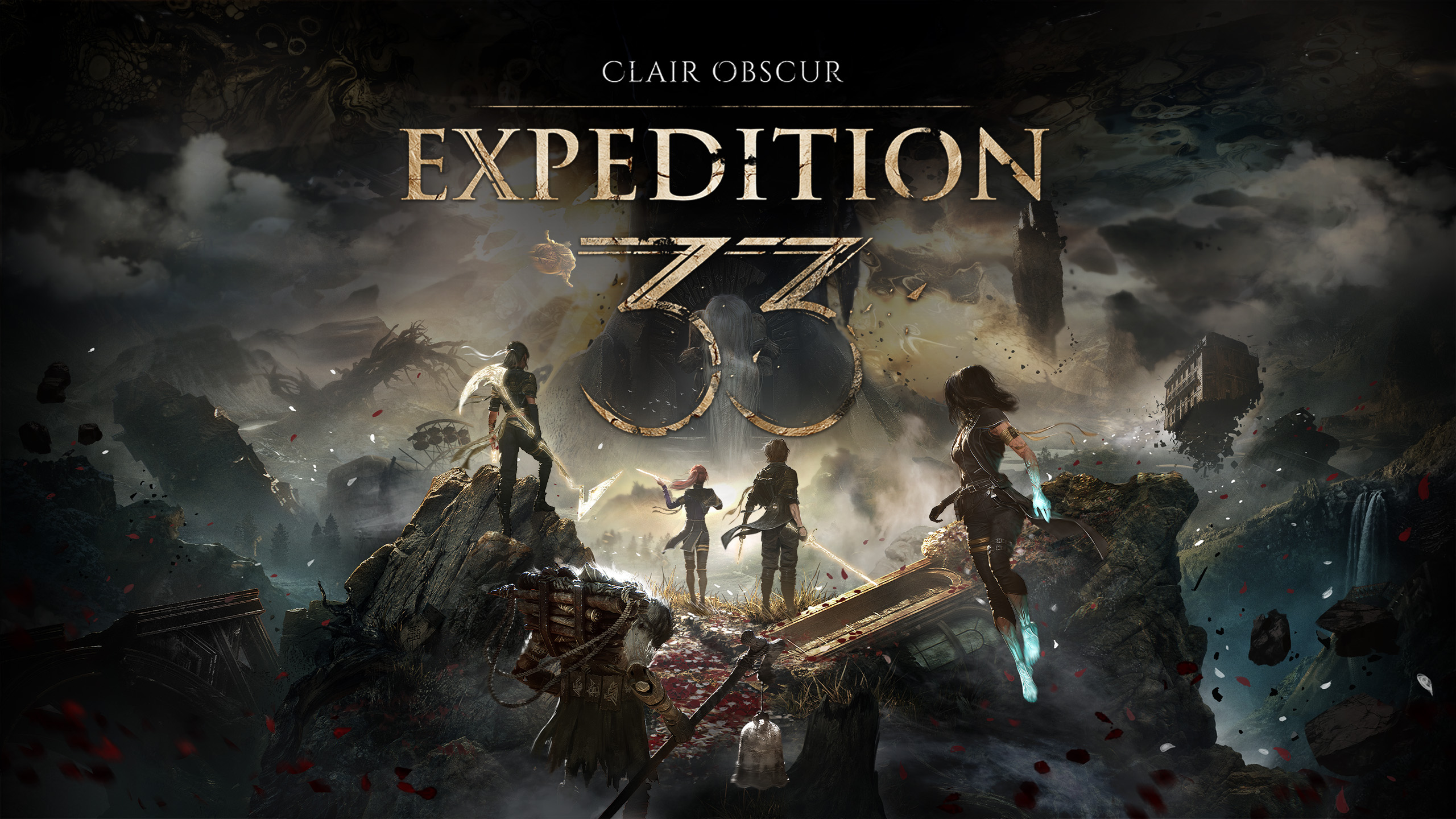
When you leave your twenties, so kids say, you’re washed—cooked, chopped, probably some other state that doubles as a baking verb. It can be good for a laugh, the occasional meme riffing on mortality’s unyielding march. But what if it was true? What if, once you hit 33, you died—not just died, but turned into flowers, becoming a memorial to your own grave never to be dug? Last year, that cap was 34; next year, it’ll be 32. Do you see a pattern?

That’s where Expedition 33 starts. Where it goes is both a showcase of and tribute to every act of creation that makes life worth living: fashion, painting, acting, writing, singing, dancing, and yes, playing games. Teeth cut at Ubisoft, the upstarts of Sandfall Interactive take the stylish turn-based combat of Persona 5 out of high school and into high fantasy, for an epic adventure across lands influenced by French culture yet teeming with engrossing characters and magic all their own. E33 is a spectacle without question, particle effects absolutely going off as you lob spells and frisson-inducing parries at monsters. More than any glossy cinematic, though—and even despite undeniable flaws (some odd HUD omissions, and get outta here with Gestral challenges)—it’s the little things that moved me most. A “we” before the standard “continue” on your post-battle summary. A buff, granted by an ailing boss, that makes you wonder whose side you should be on. The story of a party member’s scar, hidden behind fearless eyes and campfire conversation. A death, sudden and undeserved, with others to follow.

Live long enough, and you’ll face grief. Tragedy. Loss. In those moments, it’s tempting to want to shut down, to retreat into a special place where everything’s okay. As a child, that place was some of the first games I ever played, RPG classics like Dragon Quest and Chrono Trigger. To meet E33 at the titular age was coincidence on my part, but it still feels meaningful, like the medium that raised me coming back to teach new lessons. Heading into 2026, the biggest dream Clair Obscur (and, with luck, more entries under that banner) presents is a society where people care about future generations. But fantasies can educate us, inspire us to make the implausible inevitable. This world isn’t going to save itself—it’s up to us. But not just for us. For those who come after.
Top Stuff of 2025 – Top 10 Films

So, well… that’s 2025. Woohoo? On a global level, I think few would call it one of their favorite trips around the sun—and yet, if you’re reading this, you’re still here, and I say that counts for a lot. In the meantime, too, some pretty remarkable movies debuted on our screens! In deciding which to see, and what I then loved, I’ll admit it: I’m no tastemaker. I like what I like, and that typically involves at least one explosion or zombie per reel. Per usual, too, a lot of critical darlings didn’t grab my attention, so you won’t find Hamnet or Sentimental Value among my annual accolades. Still, visual storytelling means a lot to me, and ten motion pictures in particular this year went down as prospective classics!

(If you like these reviews, I’ve got expanded versions and much, much more on my Letterboxd!)

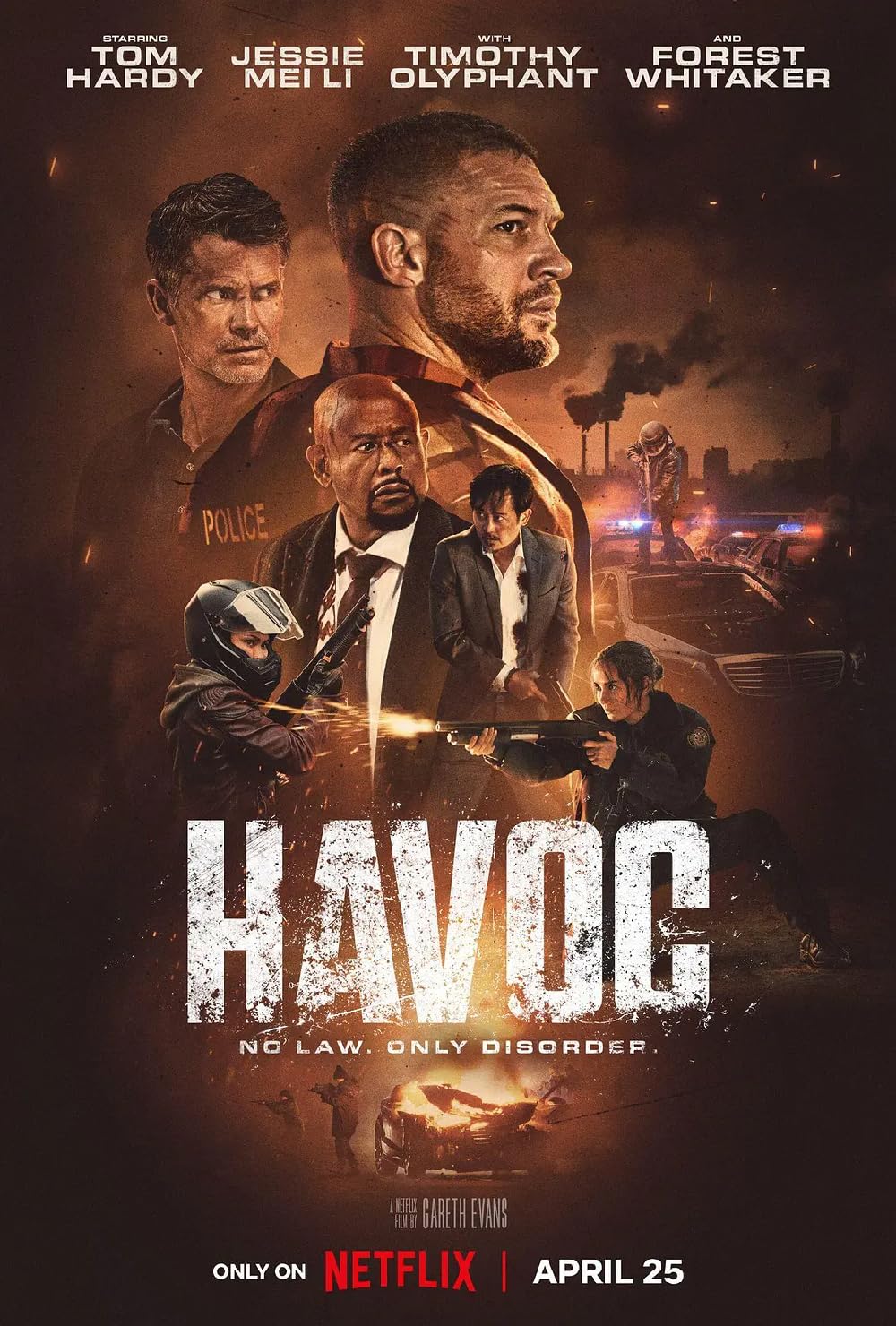
Scumbag cinema. Everybody here sucks and/or is having a bad time, while the script is like a stoic parody of edgy Aughts gangland thrillers, but—as expected from Gareth Evans—my God are these fights glorious. When I envision a melee in one of my own works, this is what it looks like: fast, loud, and tightly choreographed yet plausibly chaotic. Most of this schlock, you can take or leave, but when Tom Hardy shuts his mouth and picks up a weapon, lock in.

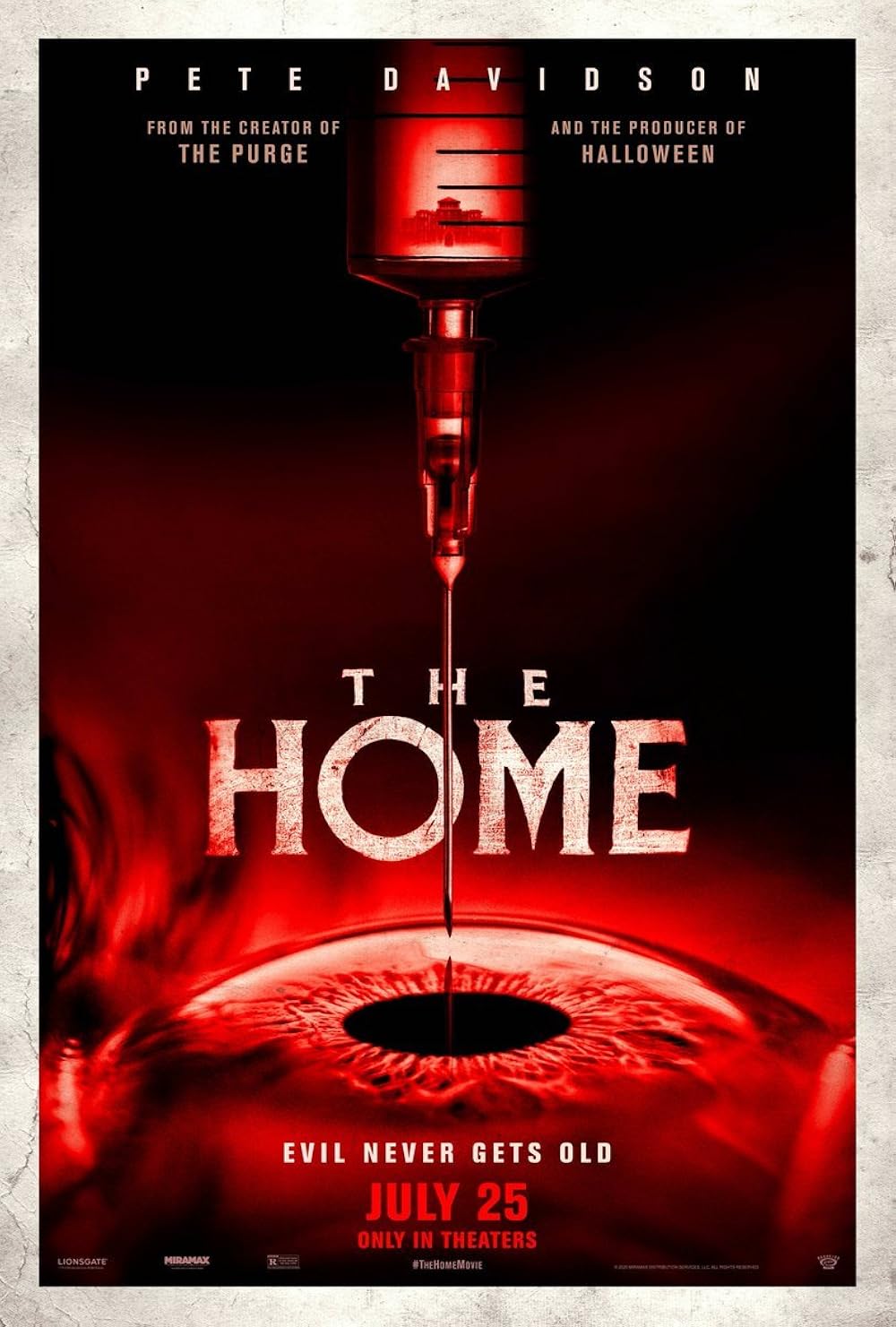
Pete Davidson’s questionable comedy gig choices aside, The Home is—for a good while—just generic horror teeming with scattershot editing and flaccid jump scares. Stick around for that third act, though, and you’ll be treated to a hard left into what rivals Weapons (see below) as the most satisfying climax of 2025 that also involves… well, just see it. Especially if you’re under 35.

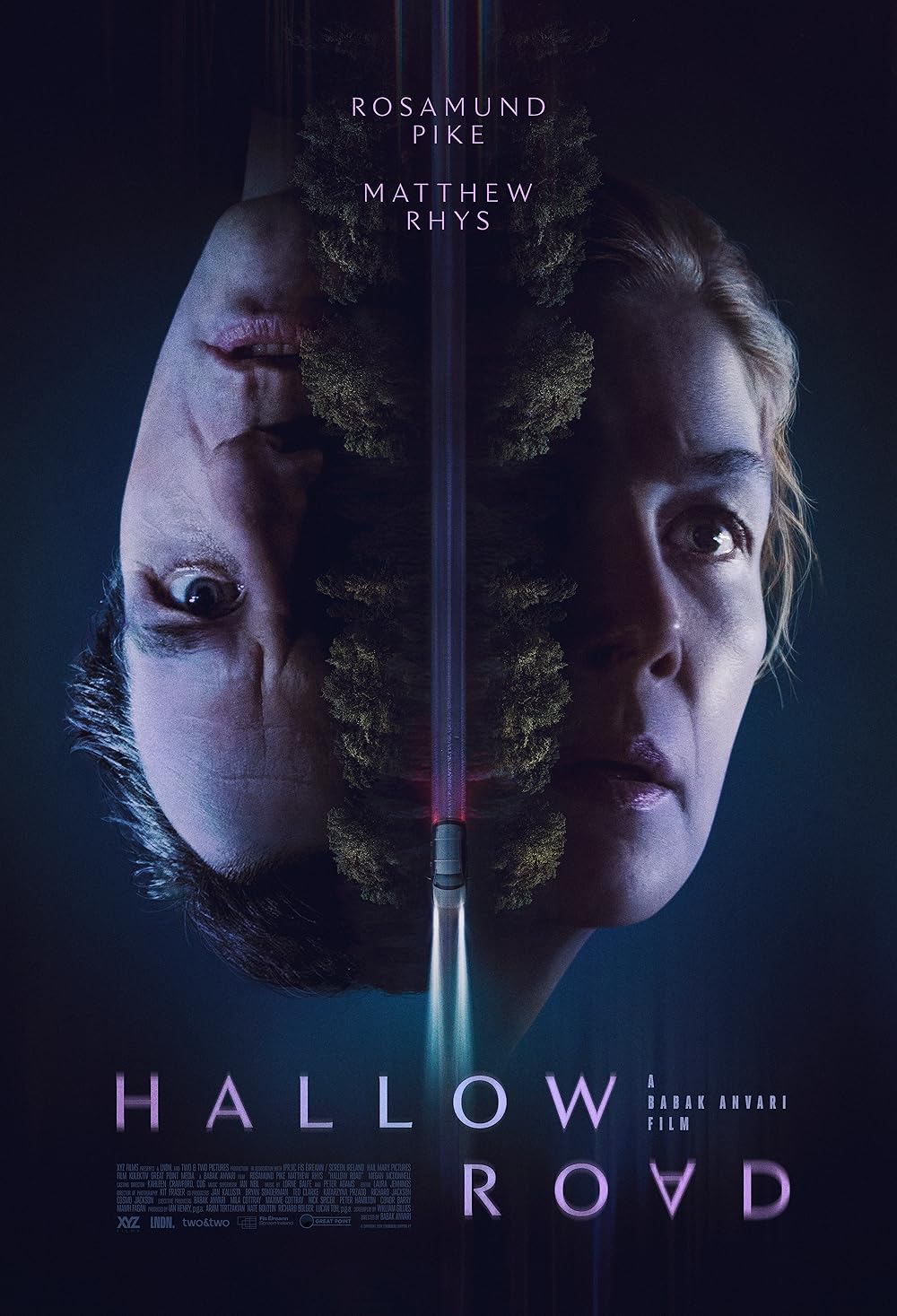
A spooky little thriller that plays like a horror version of Locke, as our protagonists embark on a feature-length midnight car ride which grows increasingly ill-advised. A couple of cheesy visual flourishes do cramp an otherwise grounded presentation—looking at you, cyberpunkish text reflections (or rather, you’re looking at me). Nevertheless, this overall made for great pre-Halloween viewing, haunting score and all! Simple yet mysterious, and with an eminently applicable moral: don’t go driving off into the middle of the woods.

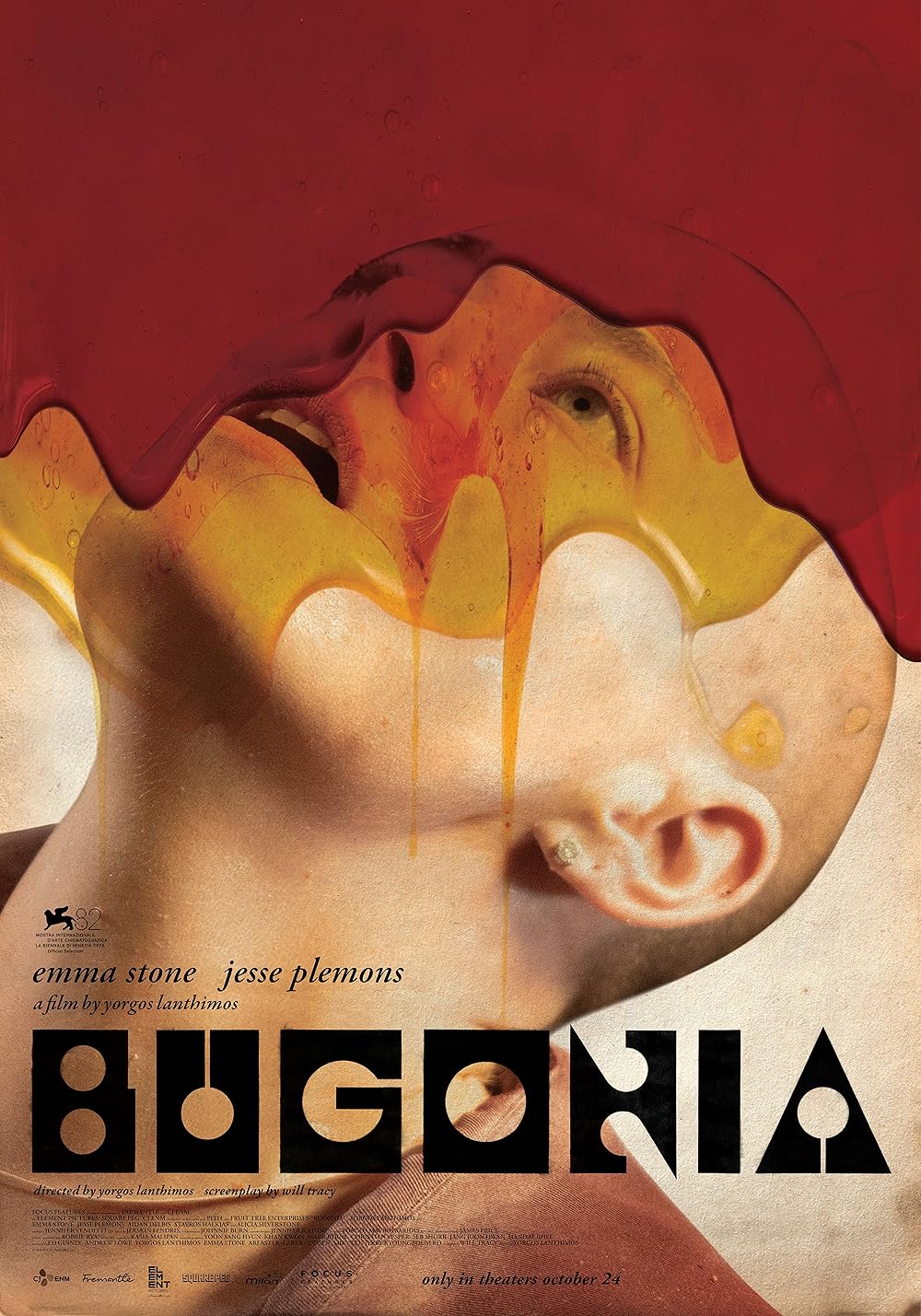
Everything and everybody kinda sucks. In the new Roaring Twenties (that’s pain you’re hearing, not partying), this is hardly an earth-shattering observation. Still, Greek/freak director Yorgos Lanthimos puts enough of his alarming, absurdist sauce on contemporary malaise to get Bugonia buzzing. Jesse Plemons (forever having a bad time) and Emma Stone, girlboss hostage, facing off is the main draw, but the sound deserves credit as well, in a sparse yet thunderous score which heightens dread amidst its humble setting. From a simple premise—an embittered conspiracy theorist and his autistic-coded cousin kidnap a CEO, believing her an evil alien—comes a stage for both galling violence and self-aware dialogues on how internet poisoning can be as toxic as any pesticide. From where does our own “colony collapse disorder” come? And wouldn’t it be nice if just one person was to blame? Well… be careful what you go looking for.

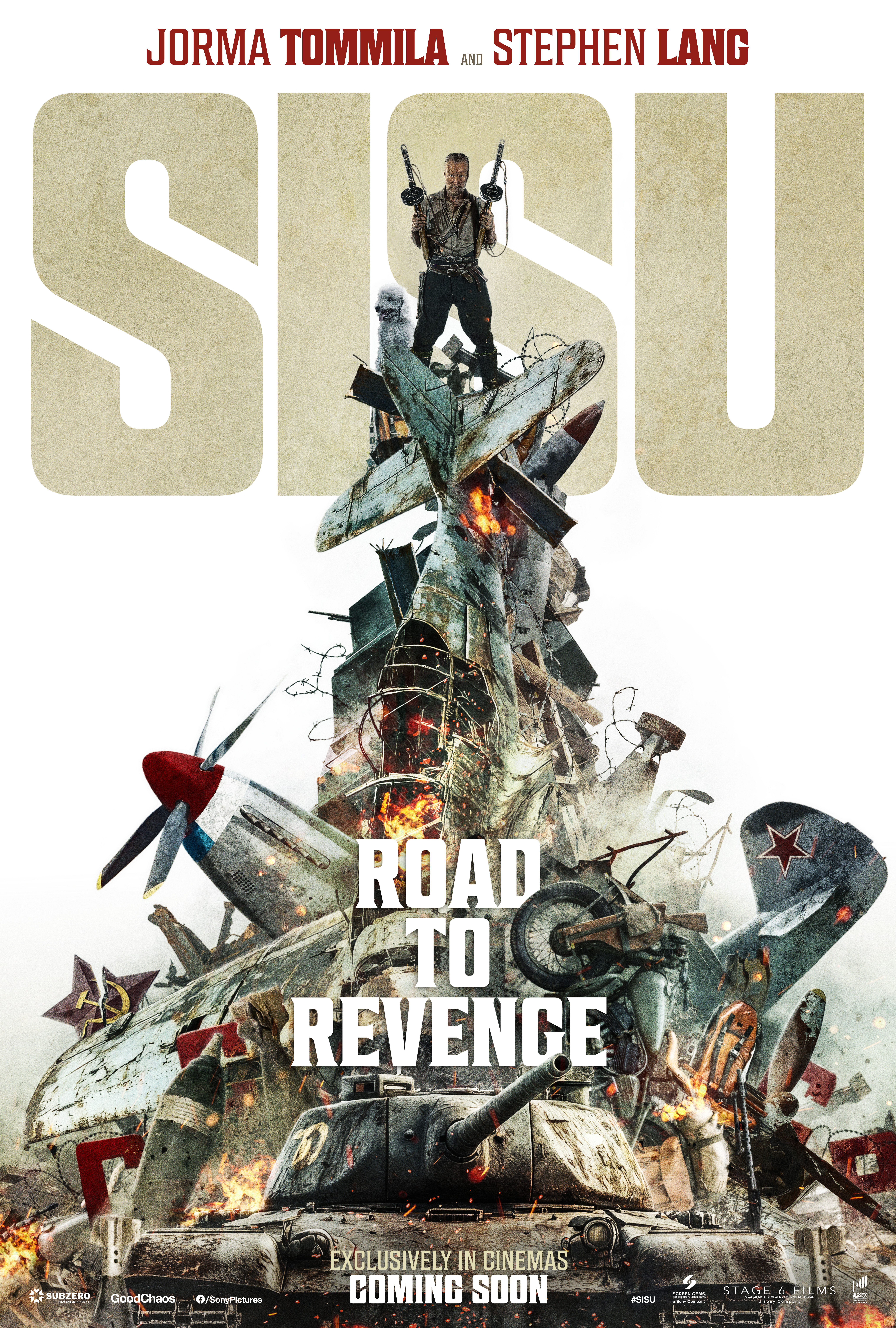
Grindhouse Looney Tunes, just like I ordered. With double the budget of 2022’s Sisu comes double the thrills: a bigger bad guy (Stephen Lang, Soviet psycho), bigger stakes (with “The Immortal” toting a morose mobile home), and most critically, even gorier yet goofier action beats set along scenic expanses. It’s conventional yet niche (my theater had two screenings and zero attendees outside family), but as a descendant of Finns with a taste for tales of relentless retribution, that’s my favorite flavor of cheese. A silent protagonist, buckets of blood, and minimal regard for the laws of gravity—what more do you require?

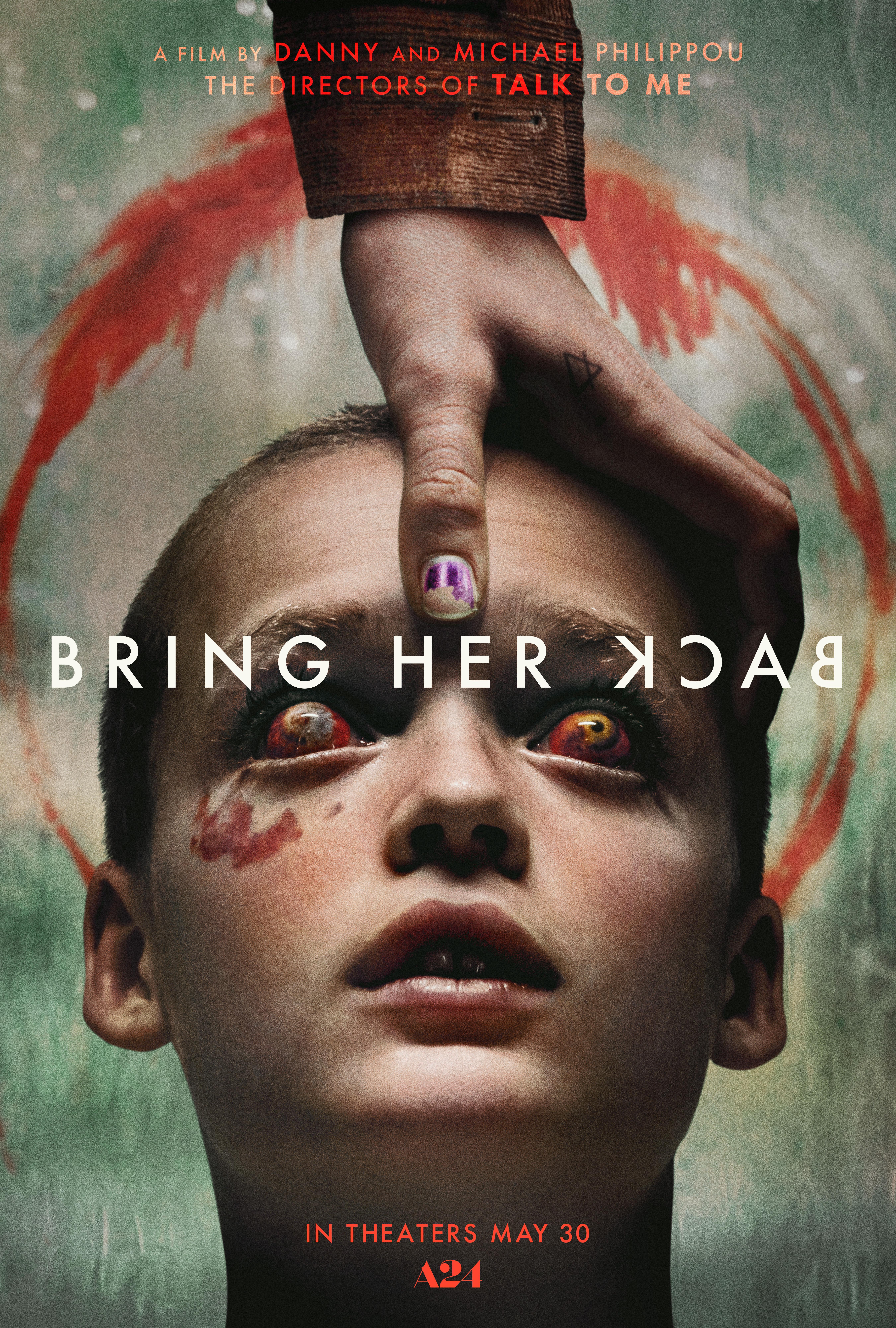
If there’s ever a Mad Maxian gas shortage in Australia, that’ll be because director-bros Danny and Michael Philippou cooked with so much of it. While I liked but didn’t love Talk to Me, Bring Her Back is a sophomore escalation in all the right ways: greater scale, a higher-profile cast, but still a chiller that goes for the heart. Sally Hawkins is a standout like never before, warping her affable screen persona into something far darker and more desperate as a foster mom with designs for her new charges. Nauseating sound design, an alarming score, and ever-tense camerawork are in full force as well. You may predict the plot’s broad strokes, but gore comes swiftly and without mercy, and it’s seeing the lengths to which this villain will go and why that make the picture. Indeed, the recurrent circular imagery couldn’t be clearer: this is a story about cycles of grief, of violence, of life and death. If someone you loved was stolen from you forever… what wouldn’t you do to undo that?

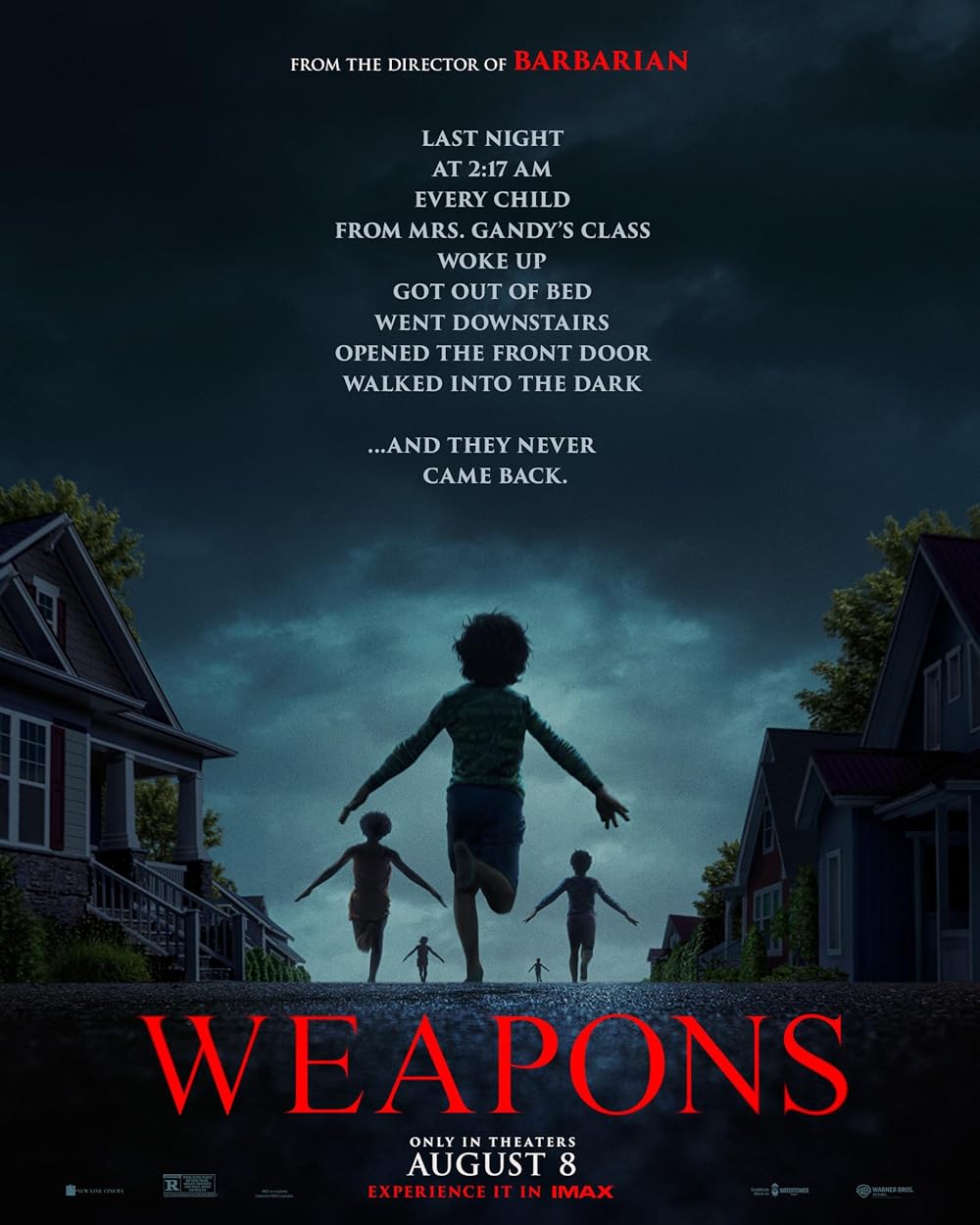
There’s hooks, and then there’s hooks. With as much as I enjoyed writer/director/Whitest Kid I Knew Zach Cregger’s Barbarian, I was sold as soon as I saw this front-of-the-poster premise. As I should’ve seen coming, though, the follow-through isn’t a grim, linear thriller but rather a comic mystery box, splitting skulls and sides in equal measure. Weapons taps an ensemble cast for a quasi-anthology about an Everytown upended when a classroom’s worth of kids go missing, where modern American fears and foibles—teachers, child-snatchers, digital witch hunts, bad cops, the homeless—come alive in relentless succession. Unlike Ari Aster’s Eddington, though (all I’ll say here on that is: too soon, man), such timely themes and imagery aren’t a cushion but a springboard, launching viewers somewhere between suburban fantasy and a love letter to the greats (Kubrick, Lynch, Raimi, et al.). The closing minutes may abandon physics in favor of applause, but with how twisted both its plot and imagery get, this journey matters so much more than the destination.

Has a man ever spiritually helmed a film as much as Guillermo del Toro has Frankenstein before finally earning the byline? Without doubt, the man’s skills and fixations are on rapturous display: sympathy for the creature (a patchwork yet hunky Jacob Elordi), opulent costumes, grim yet grandiose set design, and formidable genre alums—chief among them, Oscar Isaac as the scenery-chewing Victor (here solidified as an arrogant, controlling creator damaged by an abusive father) and Mia Goth as the macabre bride-to-be who astutely calls him out on his BS. The project accomplishes its own feat of genius by balancing Mary Shelley’s cerebral sci-fi novel with the lurid spectacle of its Universal incarnation: the Monster bodies bystanders with Tromatic zeal, but the truest villain here is the good Doctor, warmonger money in pocket and designs on his brother’s girl while he tries to imitate mommy. I’d hesitate to call this the definitive version, but is it the most lavish, poetic, yet ruthless? I think GdT has that one in the (body)bag.

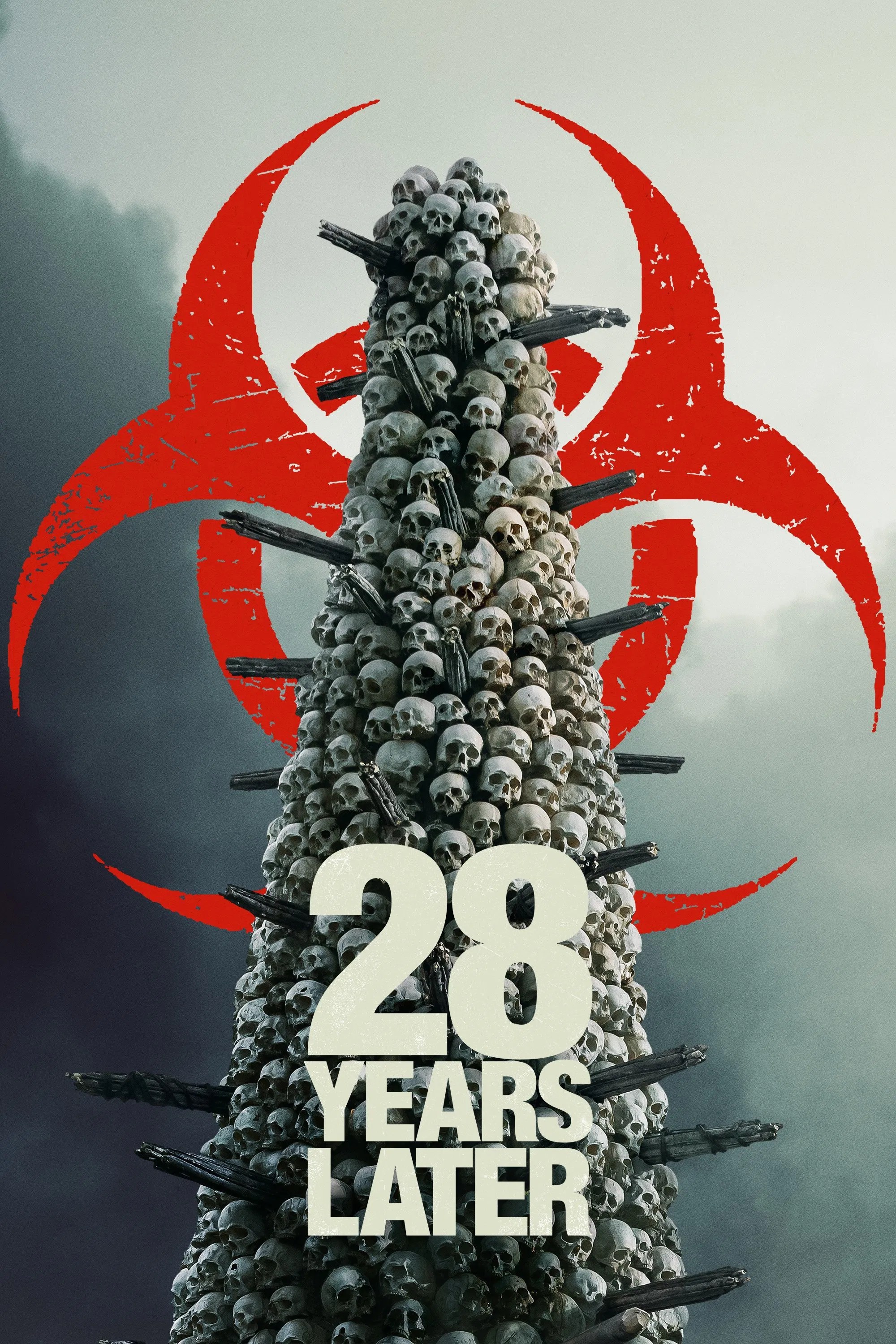
Let it be known: this is how you make a belated sequel. It hasn’t actually been that long since director Danny Boyle and writer Alex Garland’s original collab, but thank goodness they didn’t wait any longer for another crack at a post-apocalyptic U.K. This time, the focus is on island-bound Scots, whose community fractures once a resentful tween resolves to bring his ailing mum to a mainland mad doctor (Ralph Fiennes, in a hell of a pivot from Conclave). Since 28 Days Later, innumerable media took inspiration from its portrait of a city fallen to inhuman hordes, so the tropes here will be familiar to most: agrarian communes, bowhunting, an “alpha” zombie, etc. However, Years delivers not only tension and gross-out moments head and shoulders (and severed spine) above intervening imitators but also artful, iconic sequences like our protagonists fleeing an Infected while seeming to run on water, or pillars of bones which evoke a birch grove. An alternately ethereal and raucous score and rock-solid performances don’t hurt either! Mind only that The Bone Temple could either raise or lower this rating—suffice it to say that Garland must be quite confident in Nia DaCosta’s pending follow-up to end such a shocking, somber picture with what feels like a crunkcore music video.

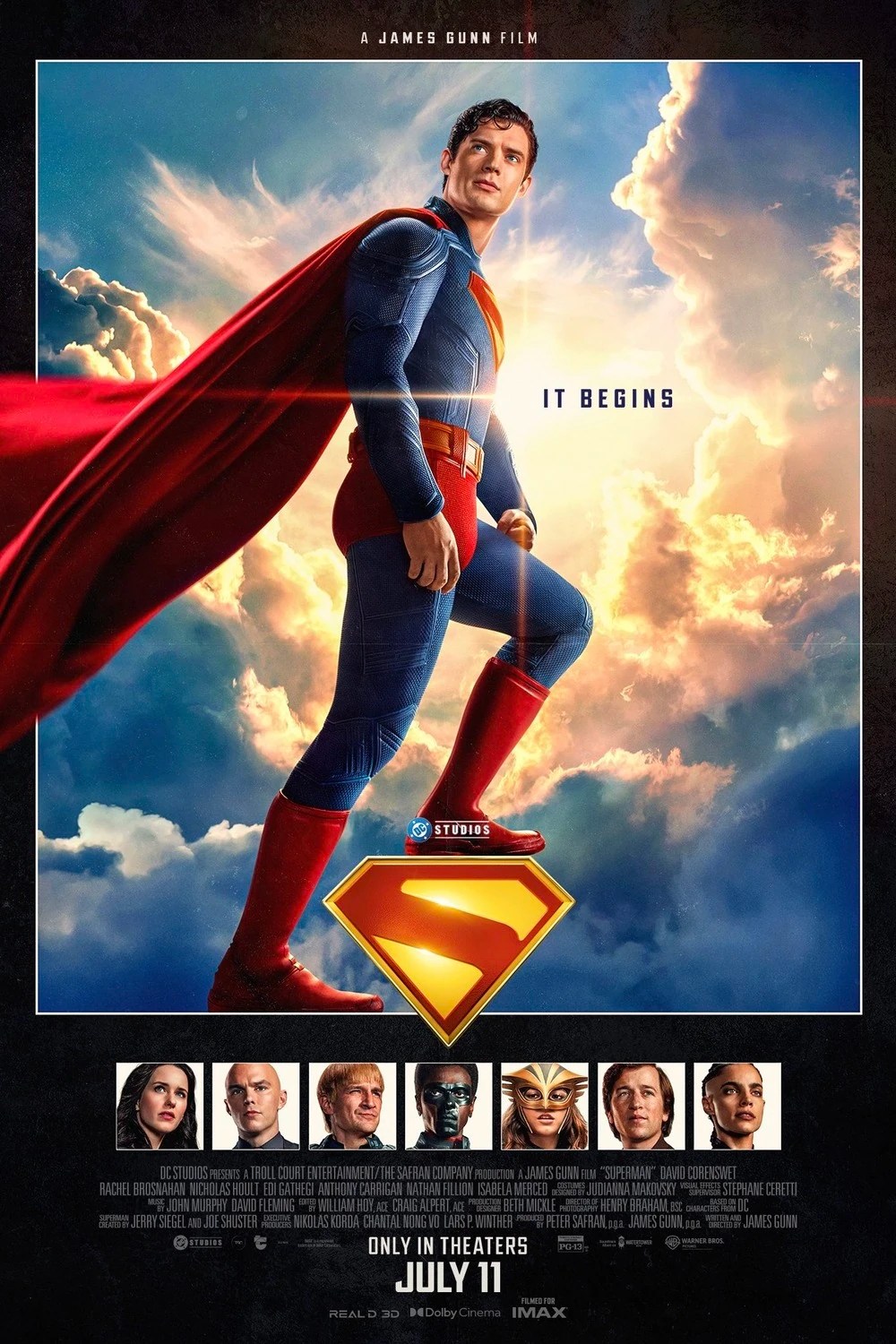
Good to have you back, Kal-El. The Snyderverse was a bracing diversion, but James Gunn—appointed by DC to save their world in his own right—recaptures the color, optimism, and vulnerability which befit a “Metahuman” powered by sunshine. There’s the irreverence and icky moments for which the writer-director is known, but also his strengths: an exposure-therapy approach to absurd spectacle and a cavalcade of characters as goofy as they are unforgettable. Smartly, this isn’t an origin story, yet for all the expanded-universe ambitions, neither does it require knowledge of prior lore. Classic characters are back and well-cast (I love Nicholas Hoult’s tech-bro take on Lex Luthor), but the new faces are a delight as well, Mr. Terrific in particular (or maybe I’m just biased towards a badass nerd who puts a “T” on everything). Superman ’25 might turn off folks who wanted a more focused, reverent take on the Man of Steel, but I didn’t mind. When it’s time to be serious or scary, Gunn clicks the safety off, and yet an acceptance that we’re here to have fun is ever-present. It was only a matter of time until we got a Superman younger than me, but I feel no less inspired for it—goodness is the power we need, now more than ever.

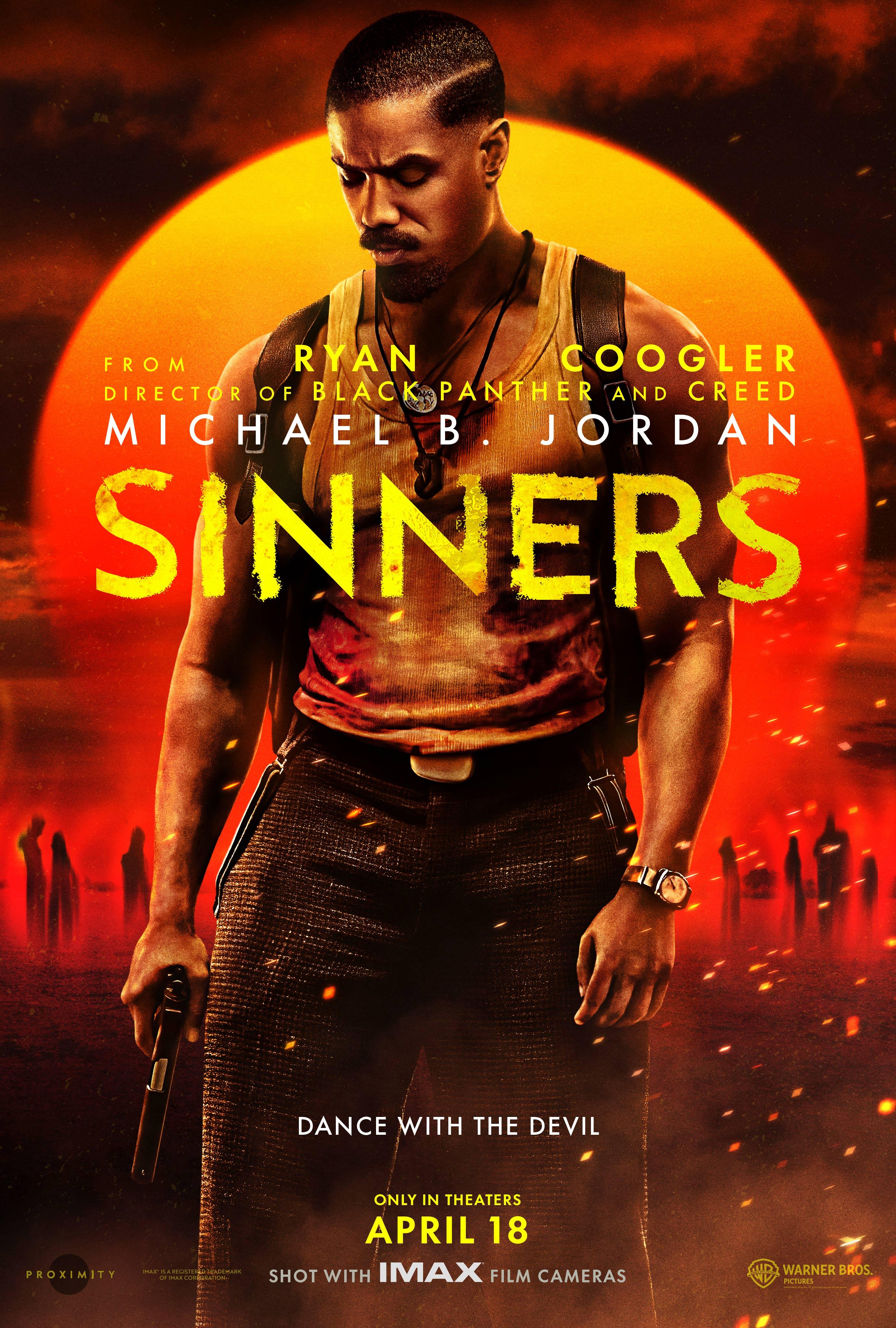
God bless that sweet spot where a talented director returns with a fatter check to “one for me” after clocking out of the franchise factory. With a pair of Jordans in tow (the irresistibly named “Smokestack” twins), Ryan Coogler mixes Southern Gothic, gangster drama, erotica, and Hammer horror into a slick, exciting “one crazy night” flick about the perils of assimilation personified by (stay with me here) song ‘n dance vampires. On the surface, we’ve got From Dusk Til Dawn inverted—with a cadre of ‘30s outcasts whose rollicking evening at a new “juke” is upset by the arrival of entitled bloodsuckers—but composer Ludwig Göransson puts music front and center as a force of nature to be reckoned with. It’s been a minute since the blues sounded this powerful on-screen! The theme is exemplified nowhere better than a literally timeless midpoint party, where Coogler’s camera tracks tribal dancers and modern rappers cavorting amid period-appropriate revelers. Rest assured, too, the closet Klansmen who haunt the first act get their comeuppance…

After years of period pieces that I either sat out or more respected than championed, P.T. Anderson came around the bend and fired a late lock for Best of 2025 right at me. I didn’t know the guy had a contemporary thriller in him, but with Leo in the lead and an electrifying supporting cast—chiefly, Sean Penn as a white-power cop and rebel girl Chase Infiniti—the hours fly by alongside bullets and cars. Casting his camera upon generations of freedom fighters, Anderson presents action with a haste and energy that industry veterans could learn from, while still leaving room for nuanced character development and expansive cinematography, all set against Johnny Greenwood’s jittery score (plus some classic pop drops). There’s plenty of oddball touches and humor, but the burning core of the film is a sincere, timely, yet timeless paean to progress. True life, liberty, and the pursuit of happiness means a forever war against those who would subjugate us—but the fight can’t survive without friends and family looking out for each other. Even if one of them is a little too baked to remember the right code words.

Top Stuff of 2025 – Top 10 Albums

RULES:

I. Had to be released on streaming in the U.S. in 2025 (buying more albums in 2026!)

II. Had to sound good to me (be aware, I have niche tastes!)

III. Wasn’t just something I liked one particular single from (see the Top 10 Singles list for such cases!)

  1. Fooled by the Rush of Growing Up – Kidburn (nobody soundtracks sunsets like this guy!)
  2. Coloura – Coloura (I gotta start a playlist of song titles that reference Pete Wentz)
  3. Closer to the Sun – Said the Sky (“You can cry in the storm or you can dance in the rain”)
  4. So Much for Second Chances – SoSo (if Eiffel 65 went emo??)
  5. Love on the Edge of Desire – The Lightning Kids (makes me want to go on a night drive)

The feature: often a transparent label move to boost profits by uniting two big names, and yet also an opportunity for smaller performers to rev their engine with gas from established peers. Thus enabled, The Frst may not be as standalone as their name suggests, but as their “About” page once clarified: “You’re The Frst… We’re your soundtrack.” And the duo play that role ably, rolling with rockers like Sleeping With Sirens (rap-meets-mope “Bruce Lee”), Eagles of Death Metal (“Murderabilia,” Josh Homme still in fine form), and The Dangerous Summer (“Torpedo”). Meanwhile, “Pop Punk Song” is my hypothetical wrestling entrance fanfare. Consider me glad this album did, in fact, happen! 

VOILÀ topped this list in 2024, so if they’re lower in the ranking this time around, it’s nothing personal—just the shockwave of discovery fading into familiarity. Still, that familiarity is as one of my favorite bands, a debonair pair who mix cabaret aesthetics with witty wordplay and a gothic fixation on death and heartbreak. For this year’s bifurcated LP, the stage is unveiled with a slow-boil title track before launching into a screaming stream of odes to drinking alone (“after (h)ours”; “Unhappy Hour”), internet addiction (“Digital Zombies”), and the one that either got away or can’t fast enough (“Wish You Hell” and “VOGUE,” respectively). There’s tenderness too, though, from the homebody seduction of “Better Off” to the tearjerking vows of “LIFEBLOOD”… and I don’t have TikTok, but if I did, I think I’ve got some winning moves for “FMK!” Fellow magicians got a show indeed this year, and I’m ready for as many more acts as Messrs. Eisner and Ross have waiting in the wings. 

For some, it’ll be the moment when the girl once rumored to have apologized for saying “God” in a song now calls out Americans whitewashing Christ. For others, it’ll be out of the gates, with the clamorous bravado of “Ice in my OJ.” Maybe, if you’ve got the right sense of humor, it’s “Discovery Channel,” interpolating exactly the Bloodhound Gang line you think it does. To everyone who experiences Ego Death, however (everyone who can belt out “That’s What You Get” at their own karaoke bar, at least), a realization will come: oh, Hayley Williams is an artist. As if there was any doubt, but in striking out on her own during COVID, Williams introduced a sound evocative of Paramore yet undeniably more personal, diverse, and perverse. Over an hour and change, the singer-songwriter vents about racists, antidepressants, and bad flings, but also looking toward a brighter future (“Love Me Better”; “I Won’t Quit on You”). With as vibrant as her hair and advocacy have always been, I’ve no doubt she’ll get there!

The “Vaxis” cycle is where I went from being Coheed-curious to an unabashed C&C fan, if only because they eased up on the suites and threw in some more hooks. With part tres of the prospective pentalogy, little has changed sonically or narratively since A Window of the Waking Mind and Unheavenly Creatures—it’s metal, it’s theatrical, it’s nerdy, and I’m still not sure what’s going on without finishing the bonus novella. Notice how there was no complaint in there! “Goodbye, Sunshine” pours one out for a late companion with fitting vigor, “Someone Who Can” backgrounded more than one self-pep-talk this year, and I just about swerved off the road (complimentary) when I heard absolute firestorm “Blind Side Sonny” segue into the breakbeats of “Play the Poet.” I’ve seen them in concert twice, and Claudio willing, I’ll see them twice more for the next acts of this interstellar adventure. 

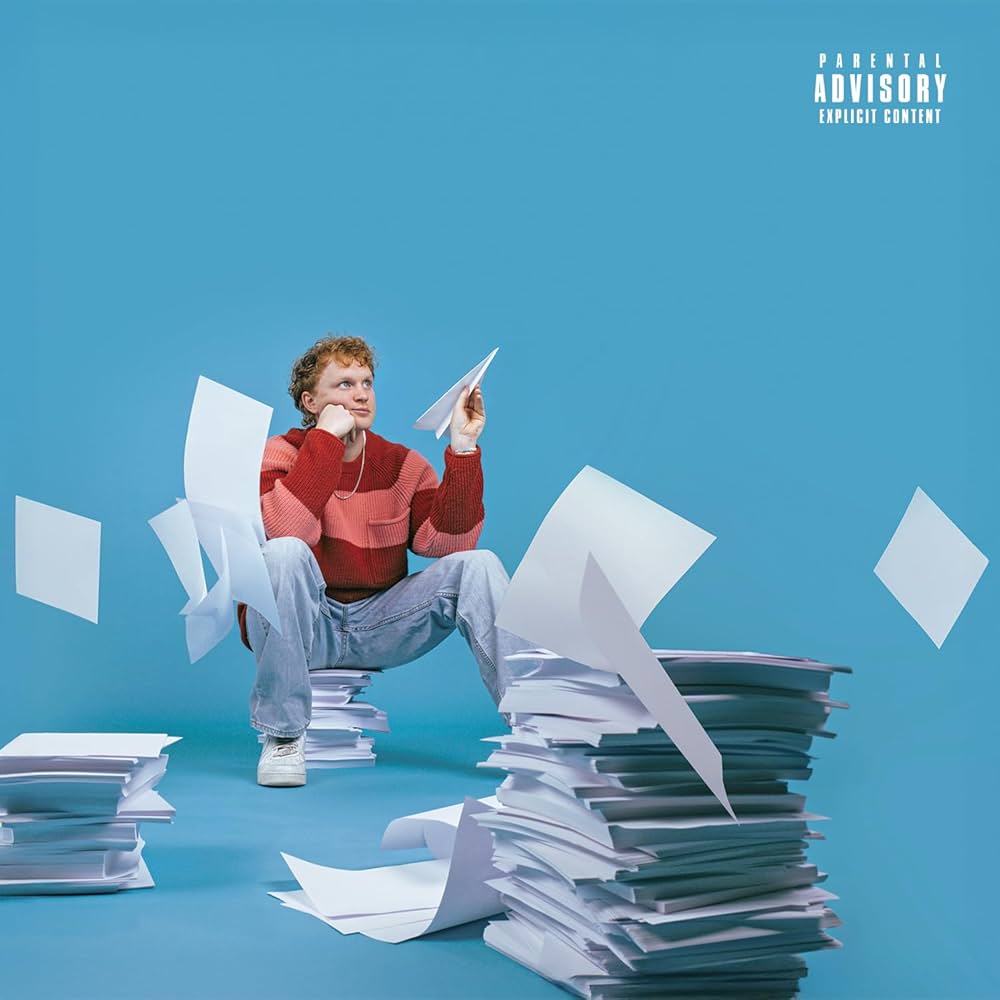
I’m not above unabashedly happy tunes, and yet I can’t deny that—thanks to Spotify’s deluge of content (canceling that subscription, promise)—I judge thumbnails at first glance. Look at this chump tossing paper airplanes, I might’ve thought; he will never be ballin’. Chalk me taking a chance on Knox up to wild curiosity—after Bilmuri rocked my world, I went scrolling though colleagues and wondered what a clean-cut kid was doing with that hog-man. Turns out, something mellower yet equally up my alley! “You Happened” scorns an ex with darkly comic specificity, “Pick Your Poison” bops all around a chance encounter over underage drinks, and “Not The 1975” parodies its namesake for a self-deprecating anthem. I’ve no doubt the performer has a diligent crew at the studio, but all the same, the result is mononym-worthy music.

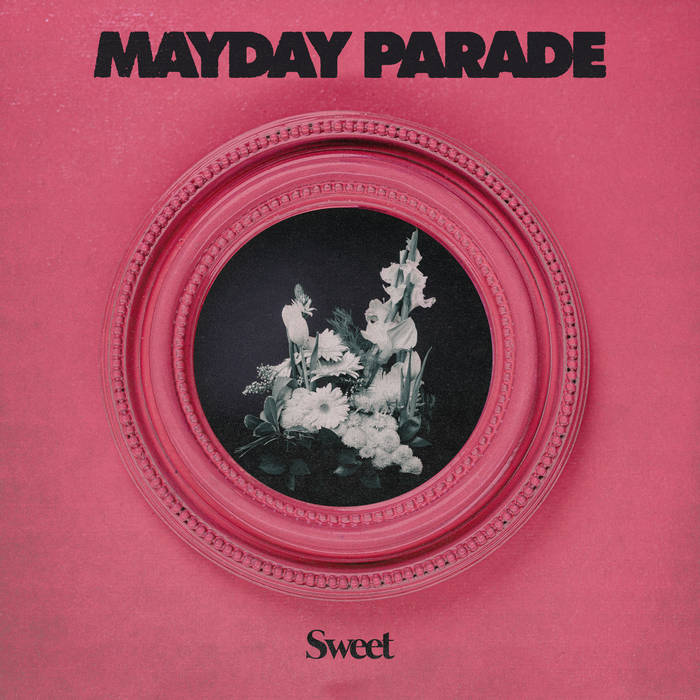
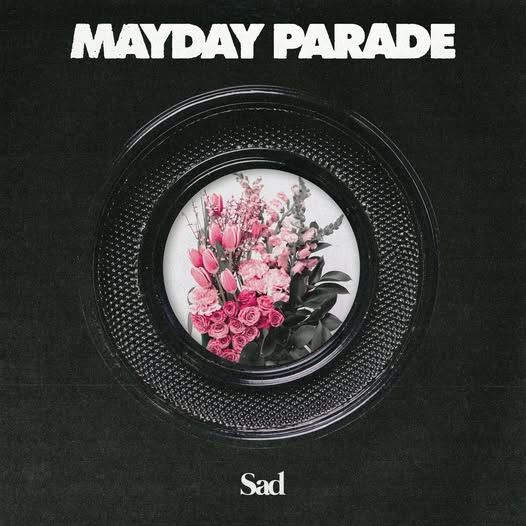
Mayday Parade: you know ‘em, you love ‘em, you have five of their shirts and want a huge umbrella largely to imitate their old album covers (that last part was written while looking into a mirror). It’s tough to admit we can now say “three cheers for twenty years,” but the love’s still there—in smug Knuckle Puck collab “Who’s Laughing Now,” in half-full-hearted adieu “Pretty Good to Feel Something,” in requisite Calvin & Hobbes quote “I Must Obey the Inscrutable Exhortations of My Soul.” Elsewhere, “I Miss the 90s” plays misdirection with its nostalgic label, while “It’s Not All Bad” enters the canon of certified MP bangers, infusing their signature melodrama with 80s synth for a toast to—honoring one of their rawest cuts—“the good that became of that crash.” This spot’s a little crowded, but until I hear a release date for the prophesied threequel, I’m treating these as an S-tier double album. 

Watching the edgy rock star archetype evolve over generations can be fascinating. Whereas all-purpose rage and casual homophobia may once have been the play (Hollywood Undead really just climbed onto the charts in ‘08 with some of those lyrics, huh), contemporary bad boys are more likely to get loud and proud about not just queerness but also mental health. Exhibit J: Jack the Underdog, who blessed my collection with this effervescent sophomore effort (and a sugarcoated nightcore version) when I least expected it! “I’M HAPPY (JUST IN CASE)” taps the UFO fixation of fellow Tom DeLonge fans for a rush of stoner optimism, “LIL ME” acerbically wallows in dreams dashed by people “who give me head—aches,” and “LIVE LAUGH LOBOTOMY” raises a two-minute-fifty-three-second middle finger to… well, can you take a number? At last count, this guy covered “Wood” and didn’t change a word. Taylor Swift isn’t on the list this year (wonder why), but with any luck, Mr. Underdog will be again. 

We have music for every season, or so it often seems. Cheery melodies for a spring in one’s step, that coveted “song of the summer,” autumnal indie, and then about four months of Christmas jingles (nights, rainy or not, synthwave’s got you covered). But what about when it’s just kinda… spooky? Chilly, misty, not a lot of people on the street? Enter Haunted Mouths, the side project from Sleeping With Sirens frontman/roving guest vocalist Kellin Quinn, and A Collection of Greetings. “Further Til We Disappear” sets the mood, eerie tones quivering over passages about rabbit holes, pumpkin tarts, and crashing waves, and what follows are soundscapes at home in bleak January (where I first listened) or pre-Halloween October alike. It comes across as traditional yet bold, meek yet forceful, and cold yet comforting. This is music for equinoxes, where day and night are symmetrical but there’s not as much to celebrate, and it’s all just a bit gray out. Glad to finally have something to stroll to in such weather! 

Some of my favorite bands got that way because of how well they blow up a projection of my heaviest emotions, like shadow puppets lit to towering proportions: Mayday Parade’s chin-up wistfulness, the operatic angst of My Chemical Romance, A Day to Remember and their easycore screeds against conformity. If I had to pick the group that best captures how I’ve actually felt on my most trying days, though, it’d be The Summer Set. “About a Girl” crystalized the unrequited what-ifs of undergrad, and “Legendary” dominated countless twentysomething daydreams, but it was when the inspiring “Figure Me Out” led—after a mutual creative hiatus—to the callback of “Back Together” that I knew. Now, with MMATRS, the quartet have zeroed in with GeoGuessr precision on my feels… and not a moment too soon! “For the First Time” revels in realizing it’s never too late to come alive, “34” is a bittersweet celebration of nearing middle age, and leave it to these guys to riff on that myth about where a certain shoe name came from with “ADIDAS.” For TSS, life has always been one big party, for better or worse. I used to not really like parties, but I think I’m ready to let myself enjoy one.

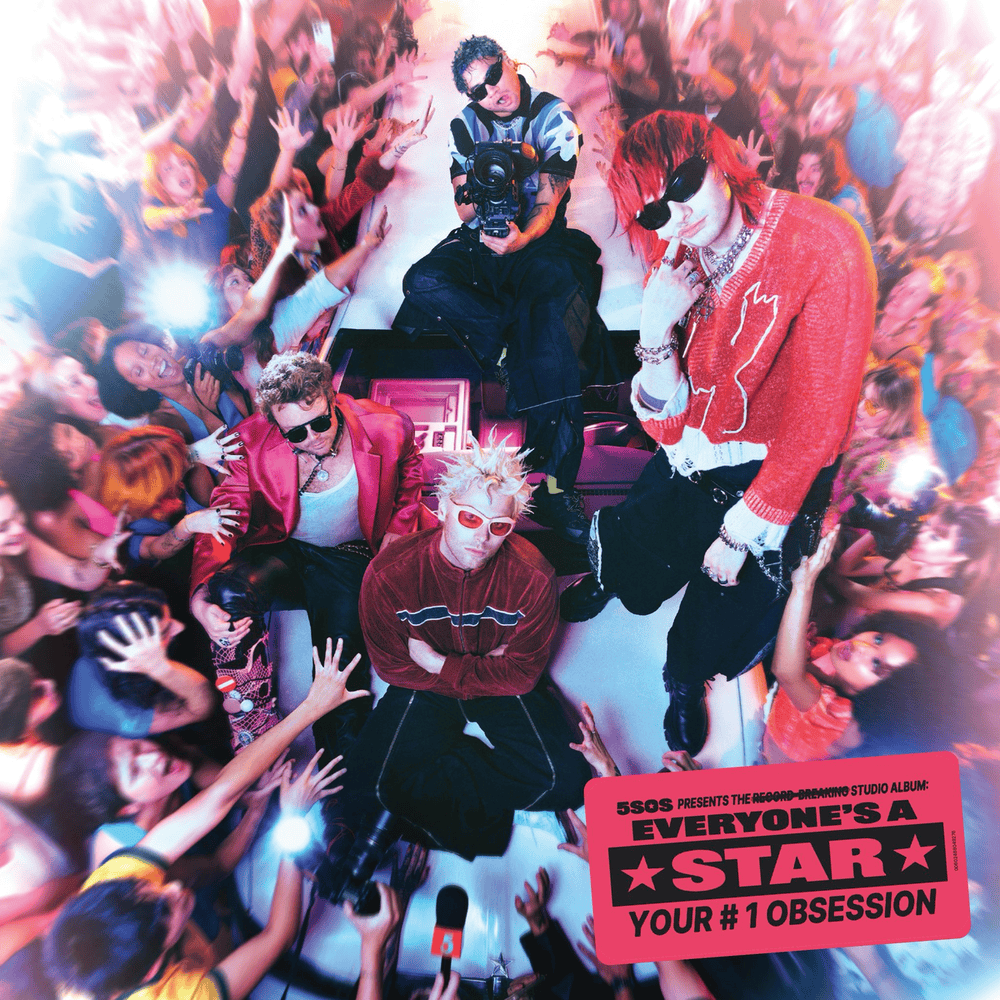
Look, I’m just as surprised as you are. With as tiring as “fake geek girls” discourse was at the time, I defended a rising 5 Seconds of Summer against “fake punk boy” allegations—but there’s no denying that “She Looks So Perfect,” with its product-placement chorus and lullaby-adjacent verses, was a corny first impression deserving of the One Direction comparisons. I got down with a few tracks from their eponymous debut and its successor, but that was kinda it. Until.

Everyone’s a Star! marks a total reinvention, if not breaking new ground then at least breaking away from the Top 40 ambitions of old and toward something darker, sexier, yet still eminently catchy. As titles like “NOT OK” and lines like “can you feel my heart” indicate, these gentleman have enjoyed some emo in their time, but this is no mere sad-boy cash-in; there’s notes of Bring Me the Horizon, but also the soft-spoken rambles of Gorillaz, The 1975-like wails (sorry, Knox!), The Weeknd’s electric lasciviousness, and on and on, with room to spare for serenades like the anguished “I’m Scared I’ll Never Sleep Again.” It’s minor-key one minute, club-ready the next, and—as the deluxe edition and one unexpectedly funny track acknowledge—evolved indeed. In studying their most gracefully aged genre forefathers, 5SOS have arrived at my ideal merger of pop and the hard stuff. It’s not a guilty pleasure; honestly, I think I’m ready to retire that phrase. It’s just a pleasure—to dance to, croon to, love to, and everything in-between. As said stars, let’s keep those good vibes going into 2026 and beyond!  

Top Stuff of 2025 – Top 10 Singles

RULES:

I. Had to be released as a single on streaming in the U.S. in 2025 (buying more albums in 2026!)

II. Had to sound good to me (be aware, I have niche tastes!)

III. Wasn’t also a track on one of my Top 10 Albums (coming soon!)

There’s a certain vibe—you know it when you hear it—to Aughts alt-rock that contemporary acts carrying a torch for the era can struggle with: not just mad and sad but keening, wistful, and apt to equate despair with some ruinous natural phenomenon. 2017’s brief Afterthoughts was admittedly just that for many moons, yet in what’s been teased so far, Greywind’s pending trip to Severed Heart City is poised to whip up a whole new storm.

Who was the first band to do the whole “sardonic long song name” thing? I’ve always assumed Fall Out Boy, but it’s fun to imagine some similarly verbose predecessor. In any event, First & Forever have been dropping downtrodden tracks for a while with no full-length in sight, but in their latest batch, they’ve arrived at a promising flourish: medieval melancholy meets bangin’ riffs. Toss on a title that’s irreverent in every sense, and this might just be my favorite F&F not led by Vin Diesel (although, just imagine…).

Hey, do you miss vintage Blink? The fellas in FlickN do, and with cheeky moniker in tow, they spent 2025 cranking out one skate-punk homage after another. That I came to learn of them through a fellow attorney acquainted with one member might’ve tilted the scale (without giving away too much, I believe they’re from the area), but I suspect I’d relish hearing this sound come back ‘round regardless. Looking forward to that freshman album!

An embarrassing anecdote is that, growing up, I didn’t know Yellowcard had a violinist. I was introduced to them by “The Takedown” in Guitar Hero: Van Halen (2009), where I just assumed—sandwiched between saintly Eddie solos—I was miming really fast strumming. While I arrived at their full catalog too late to embrace every minute of this year’s titular album, then, the band’s resurgence at the crest of the “When We Were Young” wave is a welcome call to positivity, Blockbuster-bound music video and all. No, it’s not too late!

It’s the aging emo’s dilemma: If I finally, for serious this time, clean up and turn that frown upside-down, am I still me? All Time Low was always bubbly even for “pop punk,” but when decades-strong frontman Alex Gaskarth frets about whether, now “over the rain clouds,” he’s as appealing as back then, it’s hard not to relate, even without merch sales to monitor. I’d like to be known as happy and well-adjusted… but what if it is the madness in the man that makes the music?

Gotta rep for local talent! Coven Dove, in their own words, makes “witch-pop stories from the pit,” and having attended a hometown concert earlier this year, I can confirm the classic-meets-cryptic appeal firsthand. If you like smooth tunes for an evening in or at the bar, this is an outfit to watch out for.

The cross-pollination between hip-hop and punk rock always intrigues me even as it tends to go one way, with rappers copping a guitarist and new flow. Rematch, however, picked a fitting name twice over, coming back from years of sporadic singles with their first record proper and this gear-switching centerpiece. With its pity-party chorus and nod to weeping at G-notes, “6SPEED” is a sure shoutout to scenehood, and yet it’s also cocky and self-referential, singer Matt LeGrand spitting boasts about stacks of cash as his “boys” blast through fangirl speakers that feel spiritually at home in the club. It may claim to be Nothing Like You Wanted, but this blend of flavors is just what I needed.

Yeah, it’s all gonna be about self-improvement from here on. The hit-to-eh ratio on NFG’s (many) LPs has always been a bit too bottom-heavy for me to identify as an outright fan… so if I saw them in concert and have a pennant of theirs on my wall, that’s just because when they’re good, they’ve glorious indeed. I may not always reach that coveted full quantity, but I aspire to this attitude, this goal, and with the same jubilant insistence that’s kept these dudes going strong since ‘99.

Here comes a technicality, since only a variant with Slowly Slowly from a deluxe reissue of The Hart made it as a single, but it’s my self-imposed gesture at music critic conventions and I’ll bend it if I want to. Bend and break, really, as this gale-force tribute to a loving partner became the latest installment in a small, unwritten playlist of ballads I can’t carpool-karaoke along to without welling up. Pining for unrequited love may be the cornerstone of many songs, but celebrating someone who’s already there for you, and always has been? That’s bedrock.

In the early months of 2024, I sought mental health services for the first time. The circumstances aren’t relevant, suffice it to say that I worried I’d be a hazard to myself if I didn’t phone a professional. Therapy followed (“professional growth coaching,” rather—tomayto, tomahto) as, by coincidence, my boss decided I had enough potential that it was worth bankrolling me seeing someone who could loosen up a few interpersonal kinks. And with their powers combined… well, it worked. I’m still not perfect, but I’m better than I was five years ago, and I want to keep improving. As I always try to remind myself, regret is cheap. There’s infinite things we all could’ve done, but there’s just as many things we still can do. I won’t turn my back on the past like I once did, but I’m also ready to move from reaction to action. I won’t let the future just come—I’ll bring it toward me. I’ll still get scared, sad, anxious, and angry sometimes. But when it happens, with eyes on the horizon, I won’t let that pain haunt me.

TOP FILMS OF 2024

Time to call “cut” on 2024! I could do without a sequel for this one, but as somebody once said, life’s like a schlocky movie–even if you wouldn’t watch it again, no sense walking out in the middle. And as far as films themselves go, I saw plenty this year that gave me a fine occasion to kick back, lock in, and enter a world more dramatic, ecstatic, or kick-ass than the daily grind (plus, can’t beat theater popcorn butter!). I didn’t manage to catch some folks’ favorite pictures, like Anora or A Different Man, but among those I did, these are…. my Top Ten Films of 2024.

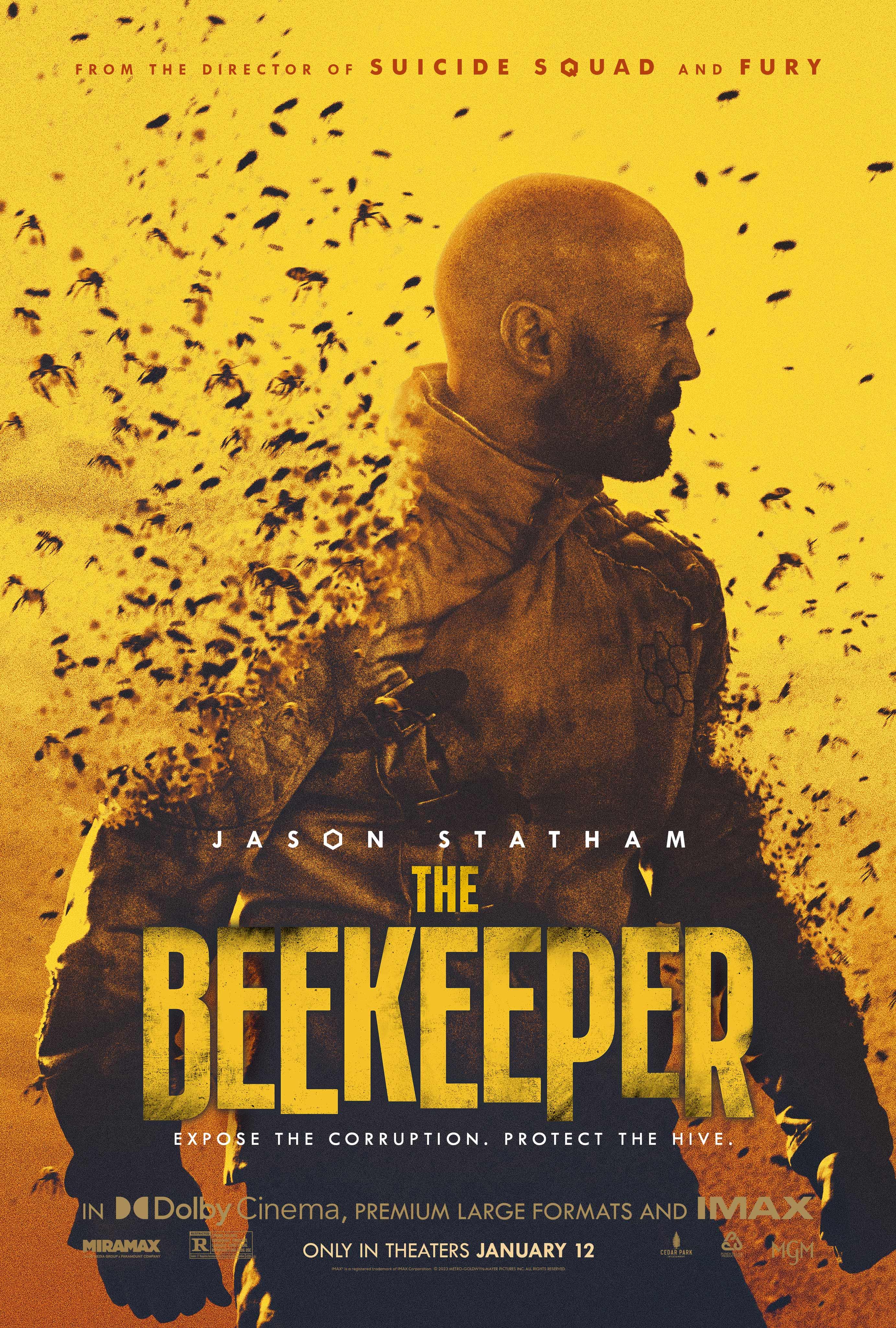
How long can one man look the same and play the same character? Every action star must confront the question, but for my ticket stub, Jason Statham is so far so good. Which brings us to The Beekeeper, written by Kurt “we have The Wachowskis at home” Wimmer and directed by David “Suicide Squad could’ve been great bro” Ayer, a thinly sketched yet enthralling honey of a B-movie. True, the lore of our titular badass isn’t confusing so much as unfinished, presupposing audience familiarity with “secret assassin underworld” franchises like John Wick in lieu of actually developing its premise. However, with his trademark sneer and pugilist’s build, Statham shoots, slices, and immolates his way through a cadre of Saturday morning cartoon-tier villains in fight scenes that left me buzzing with excitement. Phone scammers, crypto bros, PMCs—make up a guy to get mad at, and “Adam Clay” is here to put them down. The brawls are good, but the sets are no slouch either, from neon-drenched call centers to yellow and/or grid-like environs which slyly symbolize the societal “hive” our hero seeks to protect. There’s plenty of memorable nemeses too, both colorful (a colleague with a minigun; a merc with a prosthetic leg) and subdued (Josh Hutcherson as a twisted tech mogul; the Jeremy Irons). Wimmer’s script has a lot of glib “wait, what’d they just say?” dialogue, but it balances comedy and violence well, while still raising genuine awareness of elder abuse and cybercrime. Who knows if this’ll get a sequel, but if it does, I’ll bee there!

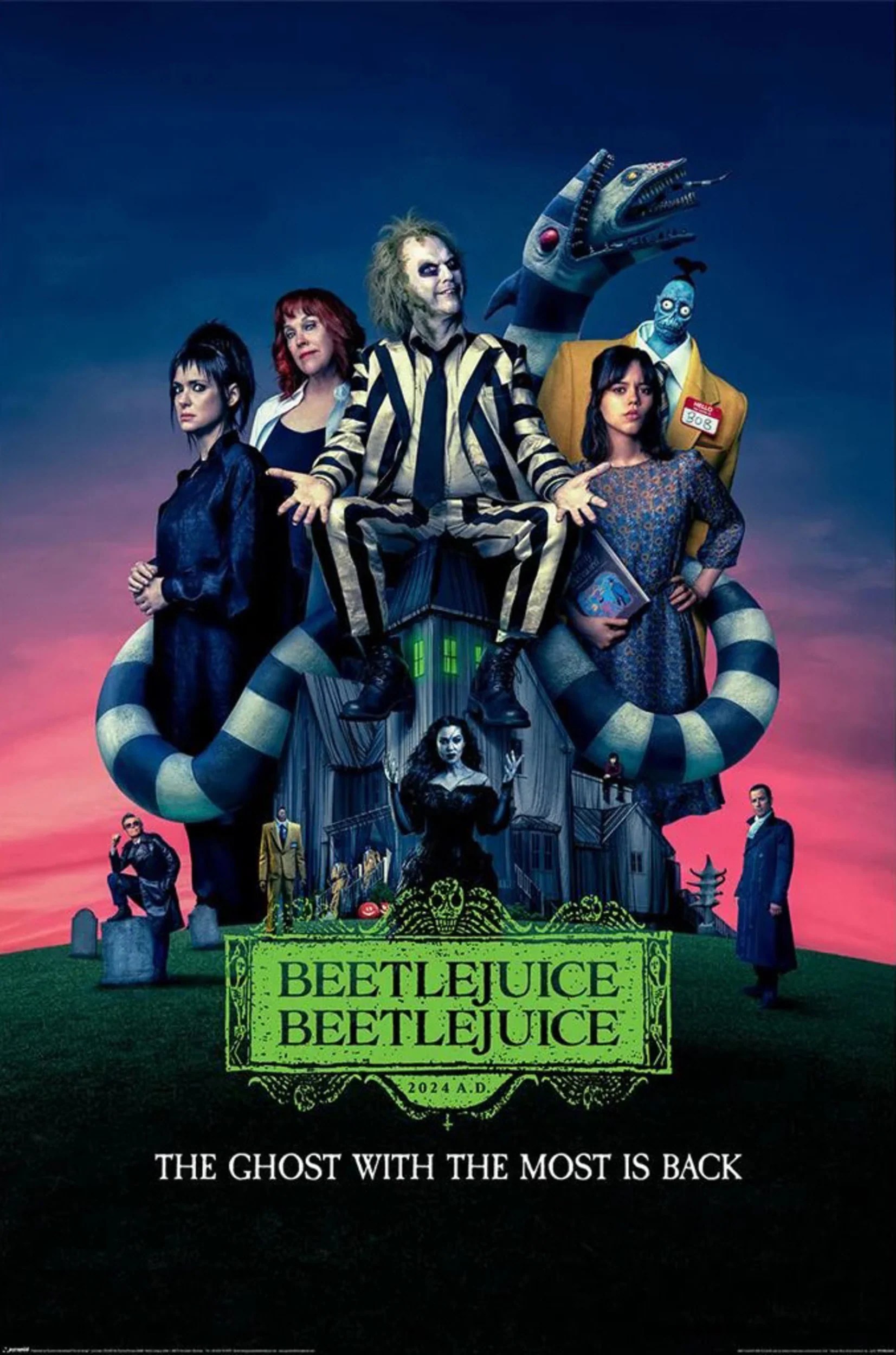
For a while there, it felt like Tim Burton forgot how to direct a clever, colorful horror-comedy, but he’s got the juice again. As legacyquels go, Beetlejuice Beetlejuice checks all the boxes: a prior protagonist’s descendant in a similar pickle, copious lampshading for absent major characters, and elevating its predecessor’s events to the realm of myth. Fortunately, all the players are game: Jenna Ortega is at her most adorkable, Winona Ryder’s Lydia Deetz remains a goth girl crush for the ages, with Catherine O’Hara as her mother still a blowhard artiste, and Willem Dafoe makes his long-overdue Burton debut as an undead cop. And at the risk of saying his name too frequently, Michael Keaton doesn’t disappoint: the actor may be over 70, but he disappears back into the title role with horny, gruesome, one-liner-addicted aplomb. The plot’s a bit hit-and-miss, if not in service of the anarchic mood then at least as an apparent result of overcooking this script for the last three decades. Monica Belluci, Franken-babe though she may be, gets little to do, while Oretega juggles subplots with both a charming boy and the loss of her father, neither of which resolve with much fanfare. Fortunately, there’s more great comedy—and music!—to pick up the slack, from a cover of “MacArthur Park” to a “Soul Train” which dives headlong into the obvious pun. Makeup and production design throughout are wonderful; I delighted especially in mixed-media flashbacks like a claymation plane crash and a black-and-white Italian interlude, as well as the darkly funny image of a house covered in a mourning shroud. Yeah, the logic of the afterlife makes no sense, but why should it? Being along for the ride was still a spooky good time.

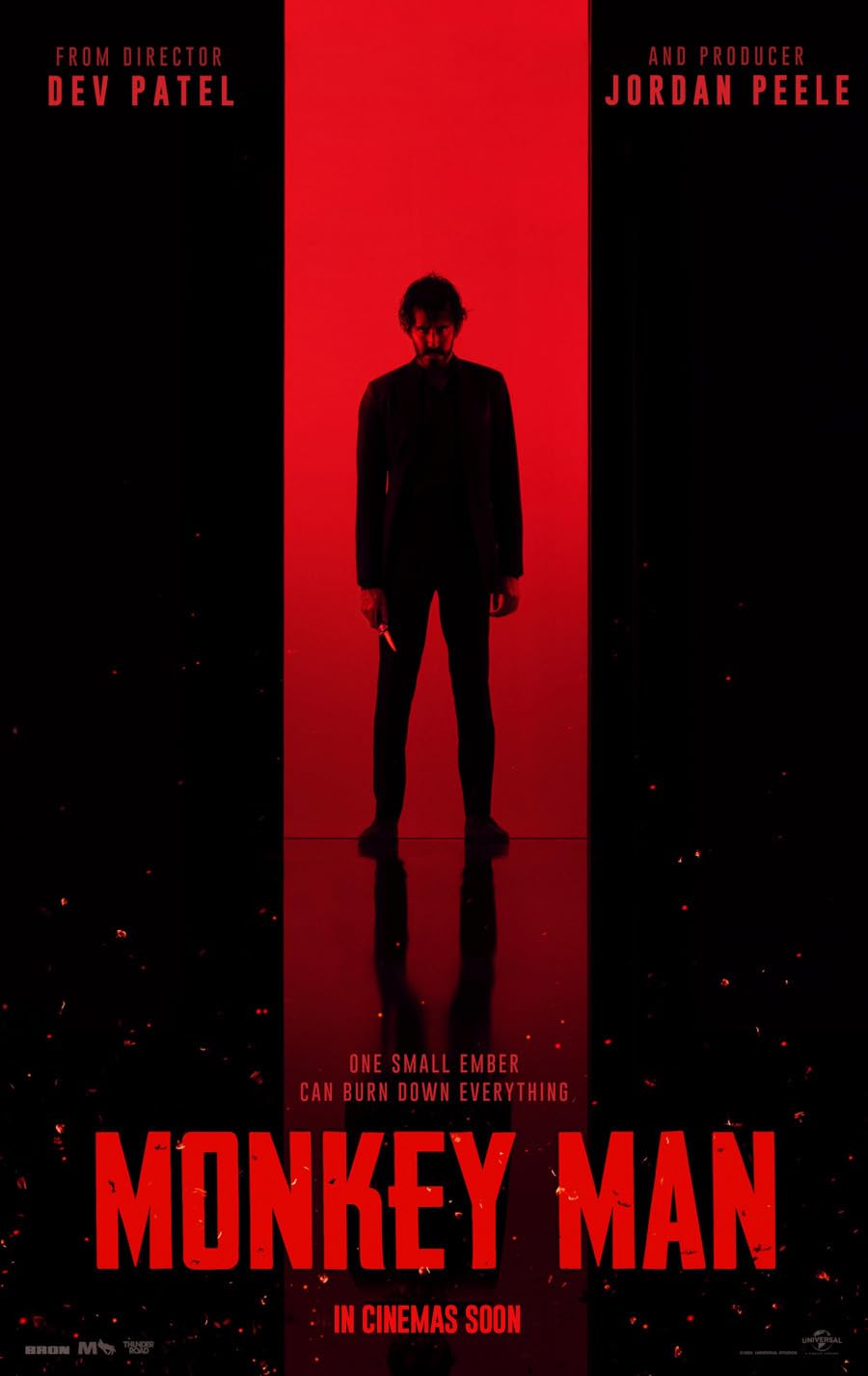
Action flicks were in fine form indeed this year, but unlike The Beekeeper, it didn’t take a veteran heavy to carry ‘em all. Case in point: Monkey Man, a brutal yet pensive, politically charged thriller starring former Slumdog Millionaire/Chappie sidekick Dev Patel. In presenting a downtrodden man who shoots, stabs, and car-chases his way through the criminals that’ve wronged him, the clearest point of comparison for Patel’s directorial debut is again John Wick—yet in all the best ways, this vengeful simian couldn’t be further from Keanu’s iconic hitter. Our hero doesn’t have street cred, gold coins, or even more than one gun—he’s an orphan from the slums, living a dual life as a bare-knuckle brawler and a waiter at an “elite” club. He’s a man on a mission, yet in making that mission not just vengeance but also justice for groups marginalized by right-wingers, Monkey Man steps out of its bloodbath with a moral resonance greater than its contemporaries. Most fights feel a little cramped, but there’s still enough head-spinning camerawork and choreography to make each appropriately frantic. It all builds to a climax among 2024’s best, where Patel literally lights up goons with fireworks before going to town with a dinner knife. An exciting score and soundtrack top it all off, from bumpin’ rap beats to a humble drummer who sets the pace during a training montage. It’s not perfect—tragic-backstory flashbacks get a touch samey, for one—but Patel still made a picture which both honors and confronts Indian culture while leaving room for red-blooded martial arts mayhem. Whether he doubles down on his badass potential or sticks with dramas, I can’t wait to see what Dev-elopments are next.

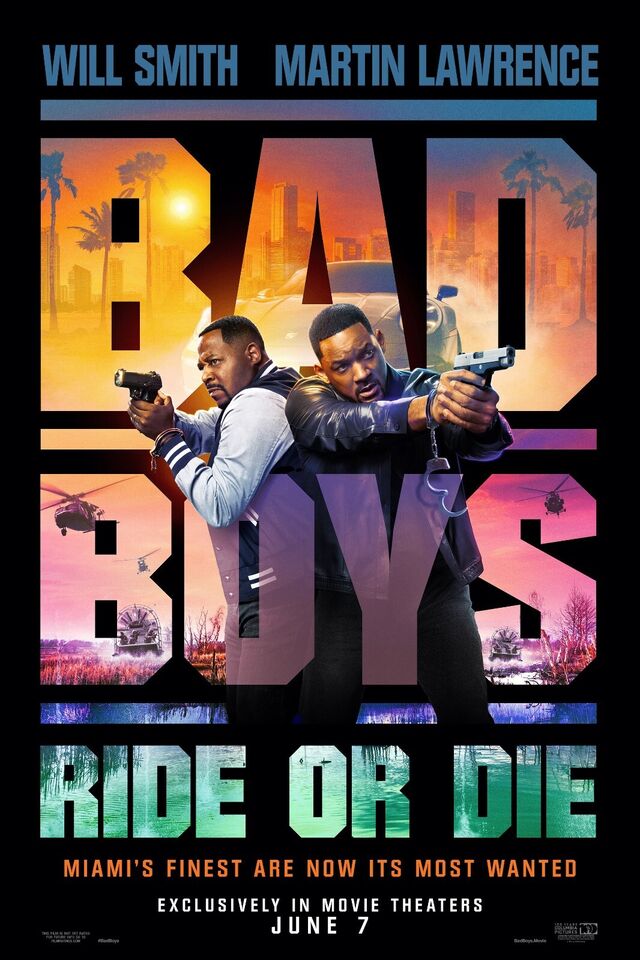
Between COVID burning their threequel’s box office and Will Smith’s post-Slap spiral, I was worried we might never see Miami’s finest again. Much to my delight, however, this year brought us Bad Boys: Ride or Die, an irresponsible, silly, yet relentlessly thrilling buddy-action flick! Mononymous duo Adil & Bilall return for another commendable homage to Aughts Michael Bay: fast cars, neon colors, beautiful women, and absurd beatdowns, just the way I like it. High-contrast Florida remains a dazzling stage, which the directors pepper with kinetic flourishes like drone shots, POV shootouts, and—surprisingly—a couple fantasy sequences. From its tropical sets to stars old enough to be my dad kicking extrajudicial ass in the name of family, and even a BBQ outro, one could write this off as Fast & Furious Lite—but Vin Diesel wishes he had half the charm Smith’s still rocking, while an R rating lets shootouts and dialogue get that much more audacious. Some of the junior “AMMO” squad is still here, but no matter, for I rejoiced at moments like a prison transport crash evocative of Uncharted and the stepson ascending from meek punchline to stone-cold killer when his home is set upon by goons. The only major flaw is, unfortunately, a load-bearing one carried over from its predecessor: the dude playing Mike’s son is a vacuous walking plot device. Look past that, the tired callbacks, and the enthusiastic copaganda, though, and you’ve still got an energetic, hilarious, and skillful return to form for the Bad Boys!

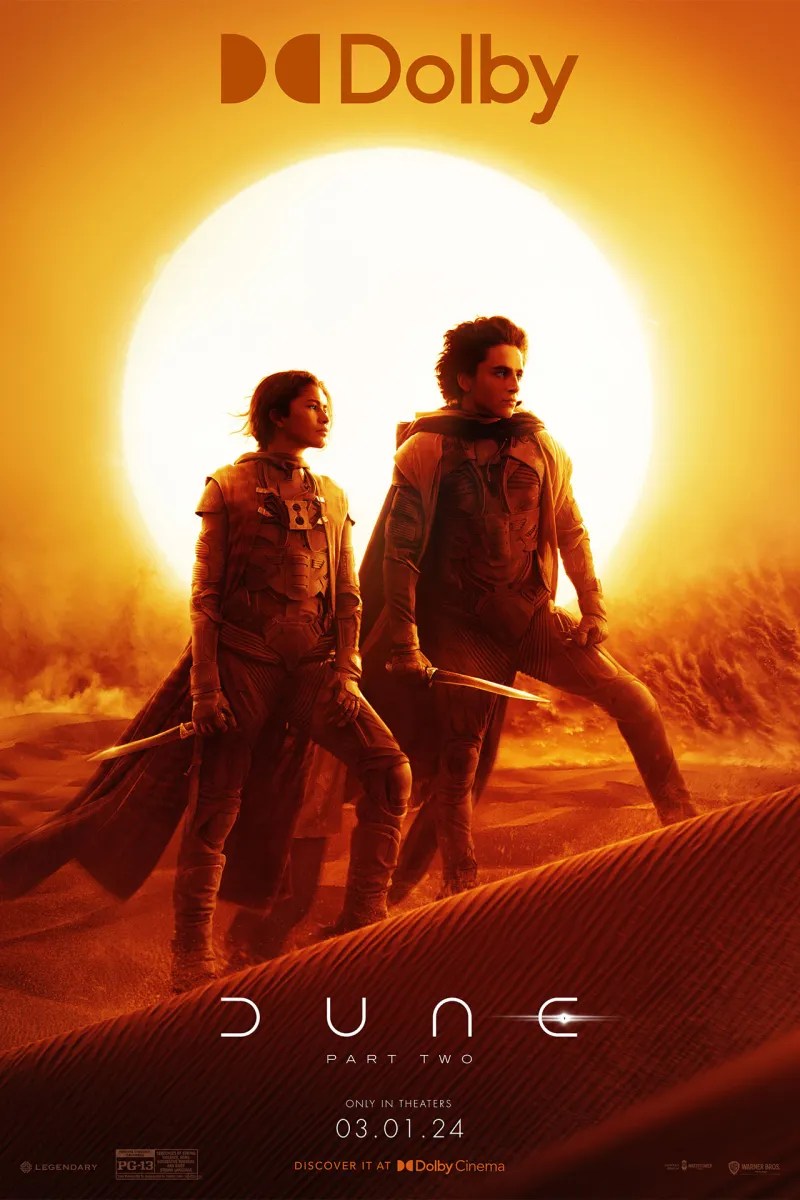
2021’s Dune ensnared the senses with director Denis Villeneuve’s new take on the oft-maladapted sci-fi novel, the first of a quiet duology. With such a strong introduction, then, perhaps it was inevitable for the follow-up to feel like a downgrade. Aside from a few cutaways to greener environs and a monochrome gladiatorial match—the standout sequence—this film is brought to you by the colors brown and gray, and I found myself intermittently confused about who was where, why, how, and for how long. Meanwhile, Hans Zimmer’s score is more often loud than memorable, while dialogue oscillates between portentous muttering and melodramatic hollering. That said, I came to Dune: Part II for that which made its predecessor, and on which it delivered in spades: spectacle. Costume and set design continue to run circles around every other major franchise, the CGI is believable and engrossing, action sequences are captivating, and we’ve got another batch of sexy weirdos with all kinds of drama: Léa Seydoux as a Bene Gesserit talent scout, Florence Pugh as a fretful royal, and Austin Butler as the baldest lunatic yet. Meanwhile, I don’t think it’s even a question that Christopher Walken got cast because of the “Weapon of Choice” video, but dang is it good to see the man back in a blockbuster as… well, the Emperor of the Universe! Yeah, when Timothée Chalamet starts putting the moves on Zendaya and yelling about ruling the planet, it doesn’t do anti-colonial critiques of the story any favors—especially with yet another cliffhanger ending. But whether it’s freedom fighters blowing up Harkonnen tech, Paul riding a sandworm for the first time, or just eye contact with Rebecca Ferguson in general, I lost track of how many times I had to fight back the urge to pump my fist in the air like a concertgoer. It’s kinda repetitive, it’s confusing, it’s three hours long, and one of the characters is a psychic fetus… but hey, when I go to see a picture shot in IMAX, it’s not for the safe and simple.

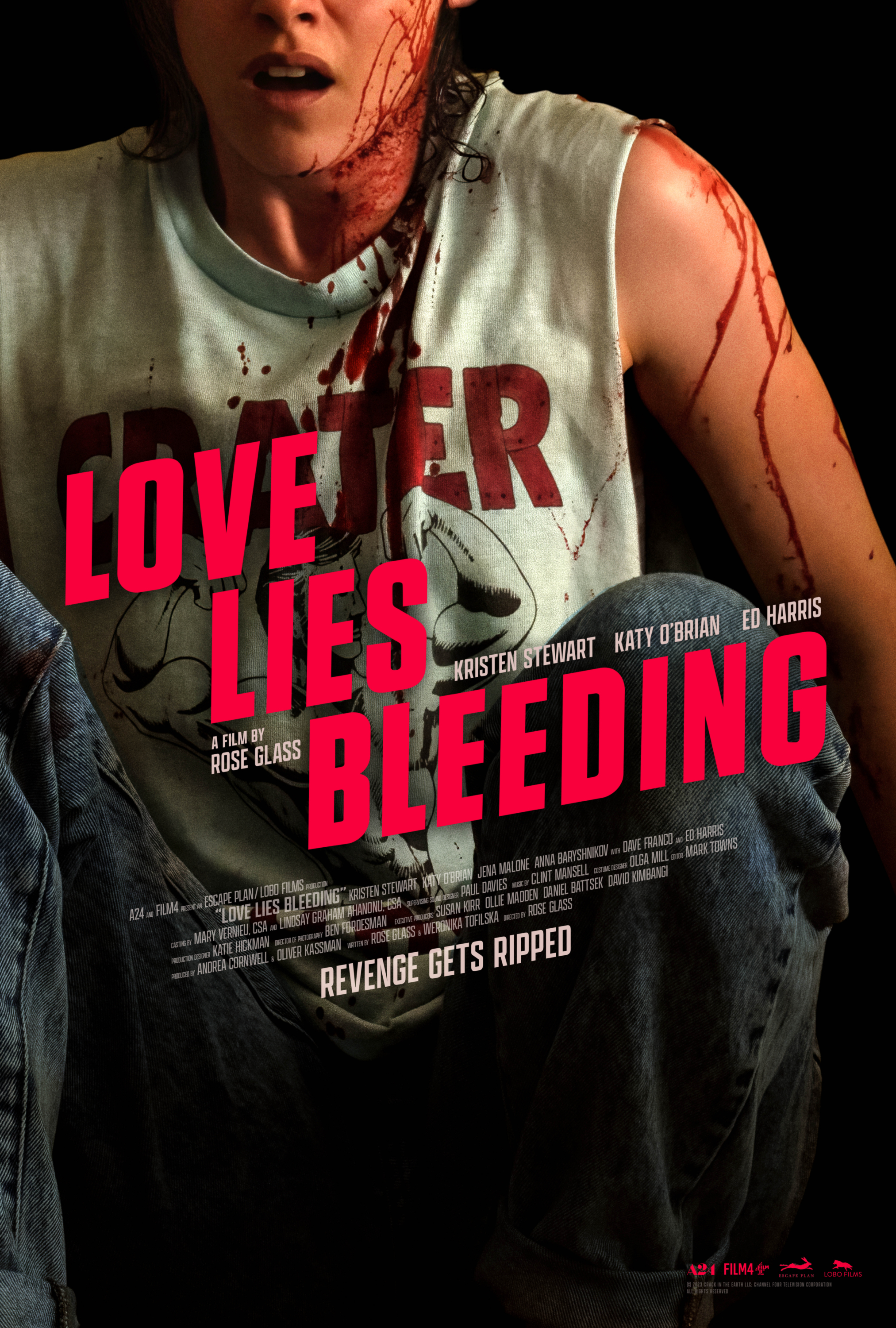
Love Lies Bleeding is a dark, delirious, and outrageously sapphic crime thriller. In pivoting from slow-burn scares to turn-of-the-90s New Mexico, Rose Glass branches out from her prior effort Saint Maud, and yet the director’s style remains omnipresent, from bursts of gnarly gore to a climax which glides on the razor’s edge between magical realism and dream sequence. The cast, while small, looms large—literally, in the case of Katy O’Brian as “Jackie,” a bisexual bodybuilder with few qualms about either ‘roids or premeditated murder. Meanwhile, Kristen Stewart plays another horny little dweeb to perfection, Dave Franco is gone not a moment too soon as an abusive husband, and Ed Harris delivers another great villain performance as a mob boss with a thing for big bugs. The score is my choice mix of period-appropriate licensed tracks and an unsettling score (the talented Clint Mansell), while sound design is replete with all manner of pops and squelches for physical acts both brutal and intimate. Sets are varied and immersive, with a borderline bottomless pit in the desert being the standout, all the more so when rendered in blood-red flashbacks. Like many films under the A24 shingle, Love Lies Bleeding is a heady mix of horror, eroticism, abrupt violence, and odd fantasy—admittedly, it sometimes feels like Glass is working backwards towards those bullet points at the expense of coherence or pacing. However familiar its broad strokes may be, though, this is the kind of sleek, provocative, adults-only mid-budget picture that I’m elated to see regain prominence in theaters!

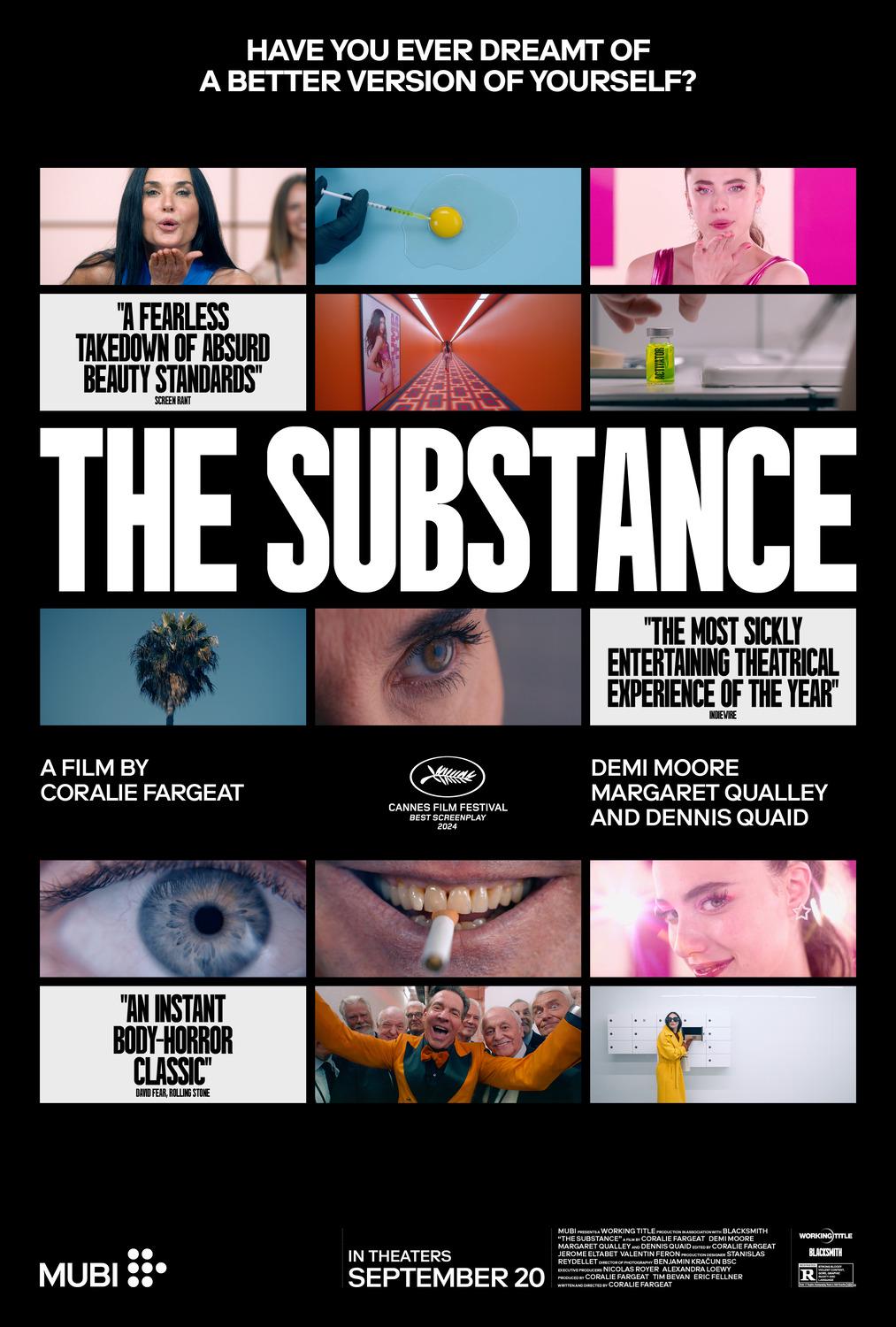
From Doctor Jekyll and Mr. Hyde to Freaky Friday, there’s a long tradition of tales where an aspirational body-swap goes bad. The latest to take a crack at it is writer-director Coralie Fargeat with The Substance, a grisly yet glitzy Hollywood horror story and the rare feminist fable that delights in buckets of gross-out practical effects! Dreams and dreamlike imagery sew long shots of Kubrickian corridors to hyperactive edits across a radiant L.A. which highlight the growing divide between our dual protagonists: Demi Moore as faded starlet “Elisabeth Sparkle” and a rarely clothed Margaret Qualley as the sensuous “Sue” birthed from her spine. When the rules of the titular injection are established early on, it’s easy to predict the tragedy to come, but one can’t be prepared for just how absurdly and grotesquely it plays out. I’m torn on the script, to that end; a lot of names are generic enough to feel like placeholders (a talk show called “The Show”), supporting performances are downright cartoonish (Dennis Quaid as a studio head/avatar of toxic masculinity), and Fargeat situates viewers in a world that’d seem to be present day yet a sexy fitness TV show is somehow a ticket to the A-List. Dated in spots or not, though, The Substance is overwhelmingly fresh: energetic, vicious, and righteously angry. It’s the progressive mashup of Resident Evil and The Nutty Professor that I never knew I needed!

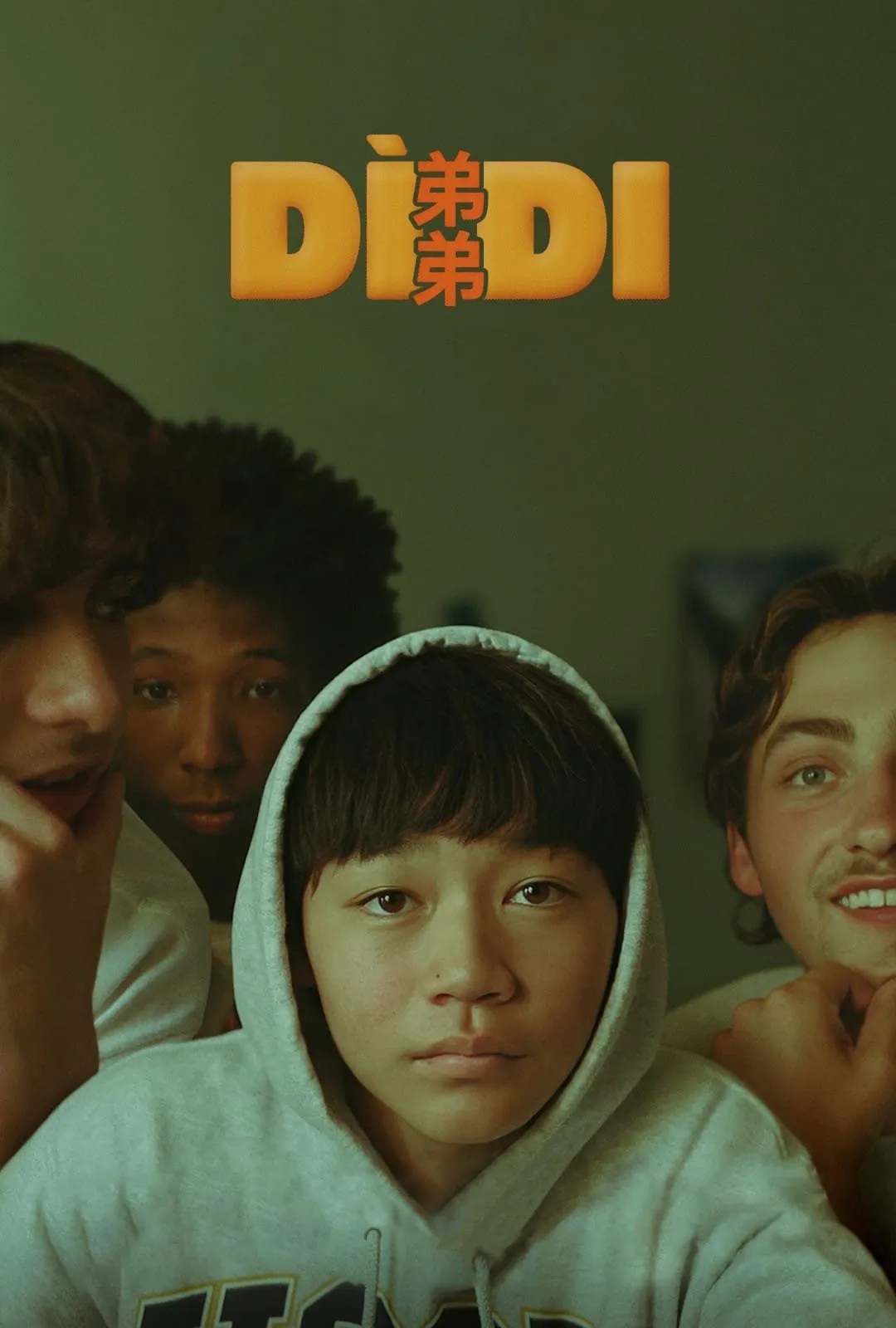
If I don’t have as much to say about writer-director-producer Sean Wang’s Dìdi despite its height on this list, maybe it’s just because I feel like I already lived it myself—the highs, the lows, and everything in-between. Late-Aughts coming-of-age pieces are finally here, and so am I for it! I may not have grown up in California or an Asian-American household, but while those elements are certainly core to the story of Dìdi, so too are the idiosyncrasies of being a teenage boy in 2008: causal homophobia among friends, skater culture, a whole Warped Tour’s worth of needle drops, and finding out the girl you’ve been DM’ing with isn’t all you hoped. The drama is grounded—conventional, even, but no less impactful for it—and like Everything Everywhere All at Once, deals in themes of intergenerational strife, regret, and the occasional comically surreal interlude, while still ending on a note of wistful hope. Props for Motion City Soundtrack dusting themselves off for that new single, too!

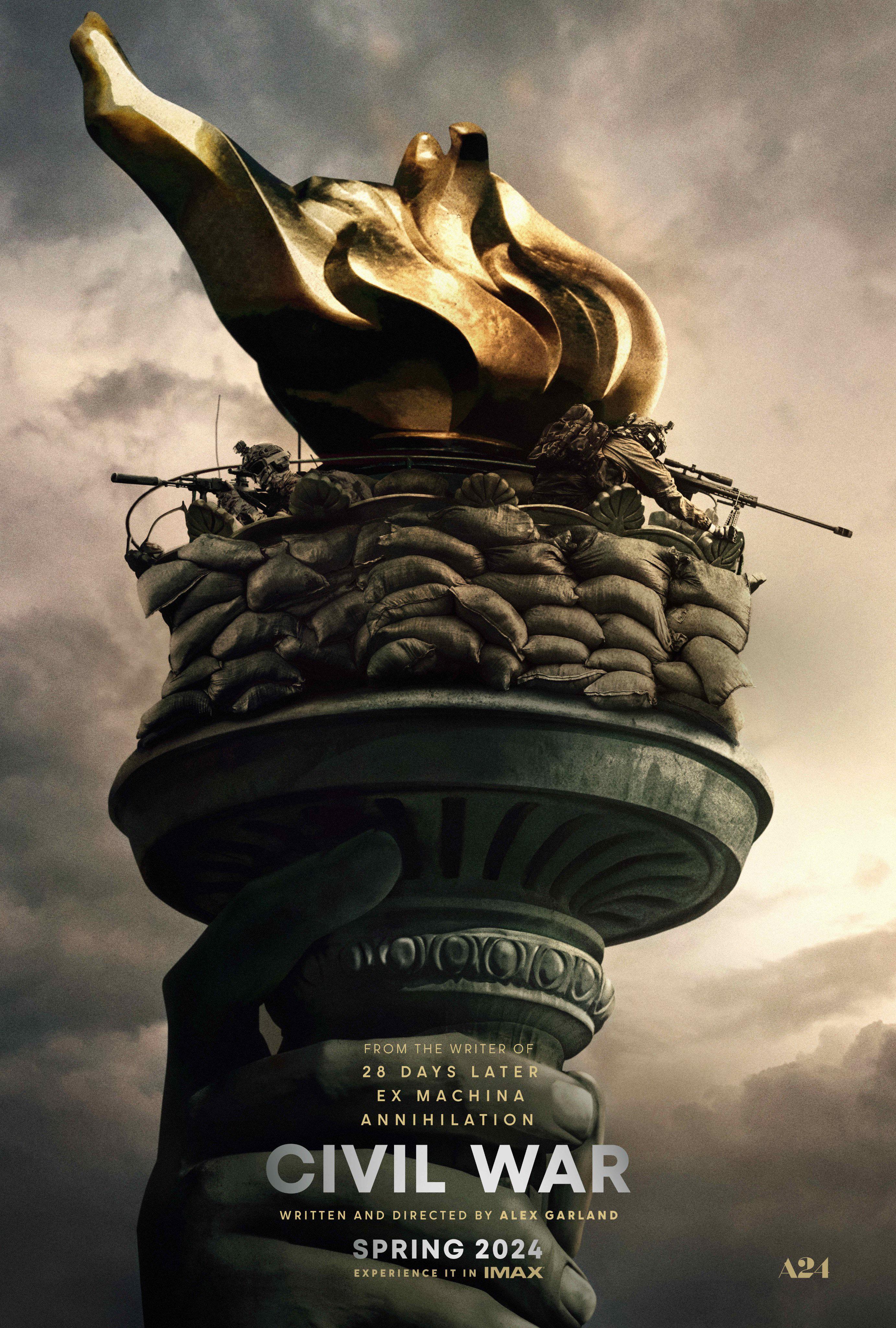
Alex Garland’s work has always compelled me, even if I don’t necessary “get” it: Men was more like Meh, but scenes in the eldritch Annihilation haunt me to date, while Devs is a crazy-underrated series in conversation with his Ex Machina about how far is too far when it comes to technological leaps. Civil War is the director’s masterstroke: a harrowing dystopian vision that’s not quite fantasy, not technically alternate history, and not even really a war picture, yet packed with all of the rich worldbuilding, biting commentary, and indelible imagery that make great speculative fiction. Following a troupe of photojournalists in near-future America as they journey from NYC to DC to interview a dictatorial President, the writer-director keeps one foot firmly in his horror roots with scenes that are, to put it bluntly, really fucked up: a man torturing an old classmate in a carwash; bodies hanging from an overpass next to “GO STEELERS” graffiti; snipers firing at someone they can’t see or hear until no one’s firing back. It’s all as subtle as a bullet to the head, but the film isn’t about Left versus Right, as it’s never made concrete why this war started and who’s even fighting for what. One could call it playing coy to not alienate audiences, but it’s all in keeping with the premise: our protagonists don’t care—can’t care, lest they lose their jobs and their minds—so neither shall the audience. Whether it’s a rifle or a camera, Kirsten Dunst as a weathered photographer or Jesse Plemons as a bone-chillingly inquisitive white nationalist, all anyone can do is point and shoot. Another film might focus on a civilian or soldier, drop a voiceover about the titular conflict, but Garland goes instead for a road trip of haunting vignettes set across a bombed-out East Coast. The cinematography, editing, and command of tension are stellar, presenting both chaotic shootouts and abandoned outdoor spaces complemented by sound design which careens between dead silence, ear-splitting gunfire, and atonal pop songs. Only time (or at least the next four years) will tell how well Civil War ages, but here in 2024, its portrait of a divided nation rang out like a gunshot.

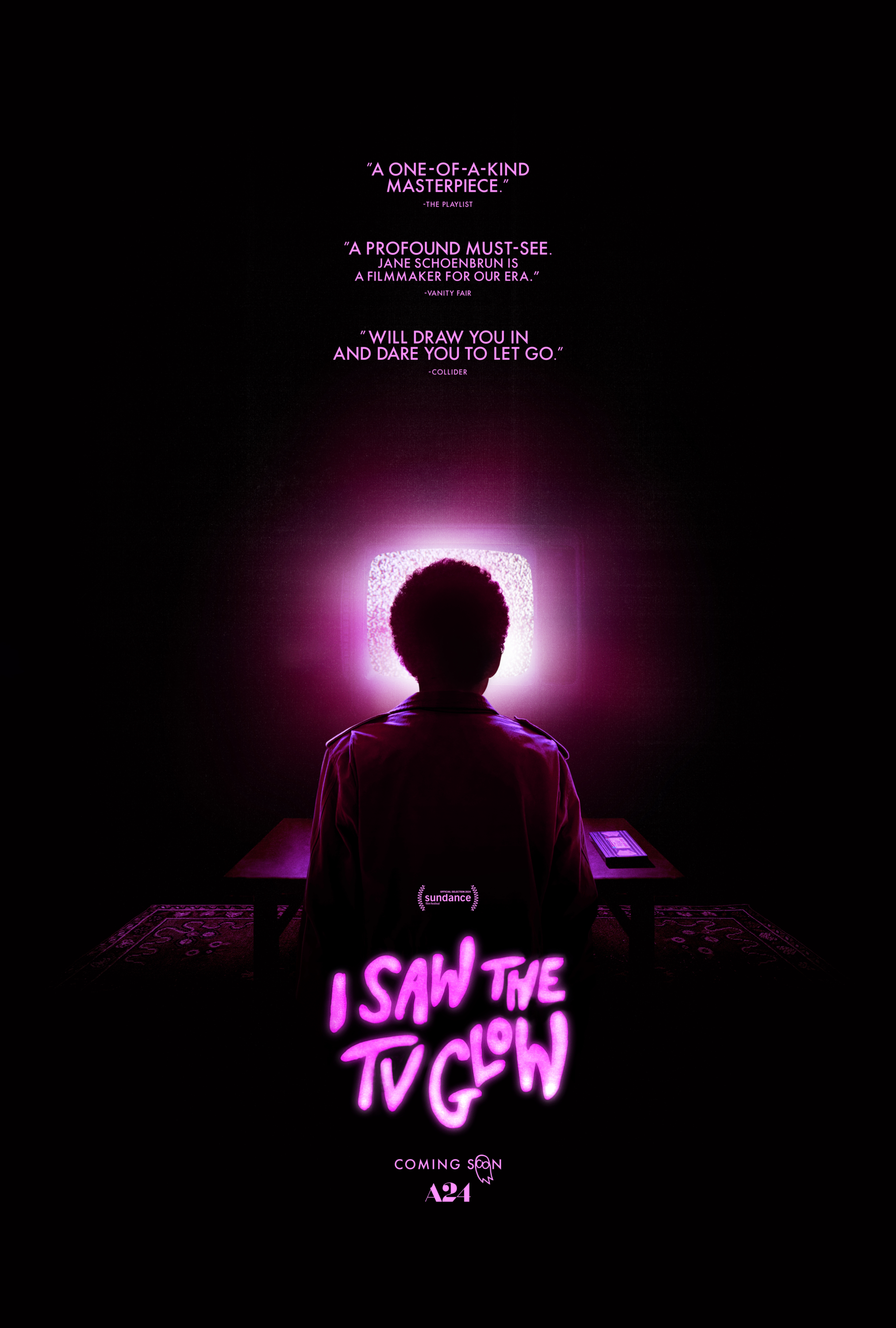
I don’t think anybody is what they want to be. Dissatisfaction is human, consciousness cursing us with the phantom pain of what could be or have been—and from it, a drive to either keep fighting or, if we’ve no one in our corner, collapse in agony. For some, however, that sense of being trapped is more literal. It’s in this limbo that I Saw the TV Glow sets its stage, and in so doing, writer-director Jane Schoenbrun presents the rare film which is horrifying and hopeful at the same time. It’s a story about stories, but not in a metafictional or self-satisfied way like many scripts; rather, it’s about the power of media to allow oneself to embrace their true identity. The queer subtext is unmistakable, but Schoenbrun speaks to anyone of their generation—Millennials and the otherwise VHS-adjacent—who’s ever wanted to be somewhere else, whether that’s another body or just another town. Scenes alternate between solemn dialogue and hypnogogic terror, while the soundtrack runs a flawless gamut of alt-rock and eerie ambiance, plus a heart-rending title theme. From fourth-wall breaks to interludes in a totally 90s supernatural TV show, The Pink Opaque, Justice Smith captivates as a teen struggling with a dysfunctional family (including Fred Durst, presaging his appearance in the far weaker Y2K) and social anxiety who stumbles into a tumultuous friendship with Brigette Lundy-Paine (whose climatic monologue should, in a just world, net an Oscar). It’s tempting to wonder if The Pink Opaque conspiracies which Lundy-Paine’s troubled fangirl spins are real, but as a bubble-bursting final act concedes, the feelings such media can stir matter more than any lore-ready singular “truth.” If things don’t make sense, if there’s no satisfying ending, if you go to bed full of regret and fear… just get up in the morning and keep searching. It’s okay. There’s still time.

TOP GAMES OF 2024

And with that, 2024 comes to a close. Not a moment too soon, many may argue, and understandably so! Wherever you live, whatever you do for a living, it often felt like there wasn’t much to get excited about, to say nothing of 2025 creeping around the bend. But with that New Year comes an occasion for hindsight, and with rose-tinted glasses equipped, I found there was actually an abundance of great games which dropped over those 366 days. I didn’t have a chance to make my way through some folks’ favorite titles, like Metaphor: ReFantazio or FFVII Rebirth, but among those I did, a select set stood out as especially exciting, addictive, or otherwise unforgettable. These are…. my Top Ten Games of 2024.

If you were to program an interactive museum of everything broken about American pop culture—obscene production budgets, gambling disguised as loot boxes, stories whose moral starts at “might” and ends at “makes right”—it’d look like Call of Duty. Having long since mutated from mere shooter franchise to something like a jingoistic Fortnite, I conscientiously objected to the last couple CODs, if not for their ethics then just for what a hassle it is to dig any given story mode out from beneath layers of launcher menus and juvenile DLC promos. But then a certain subseries reemerged from the shadows—with an unprecedented same-day Game Pass drop, no less. I don’t do multiplayer or Zombies, but for however brief a time, the campaign for Call of Duty: Black Ops 6 was my guilty pleasure of the year. The lifelike graphics, the taut controls for a suite of combat options, the reckless delirium of positioning serious real-world events alongside tinfoil-hatted sci-fi, the globetrotting level design with setpieces to rival Naughty Dog… like it or not, this is what gaming looks and plays like when the resources of the U.S. military and Activision-Blizzard combine. I wouldn’t call it art, and it’s got nothing to say about politics that might interfere with selling Nicki Minaj costumes, but if you like action media, period, then you owe it to yourself to go dark and accept this mission.

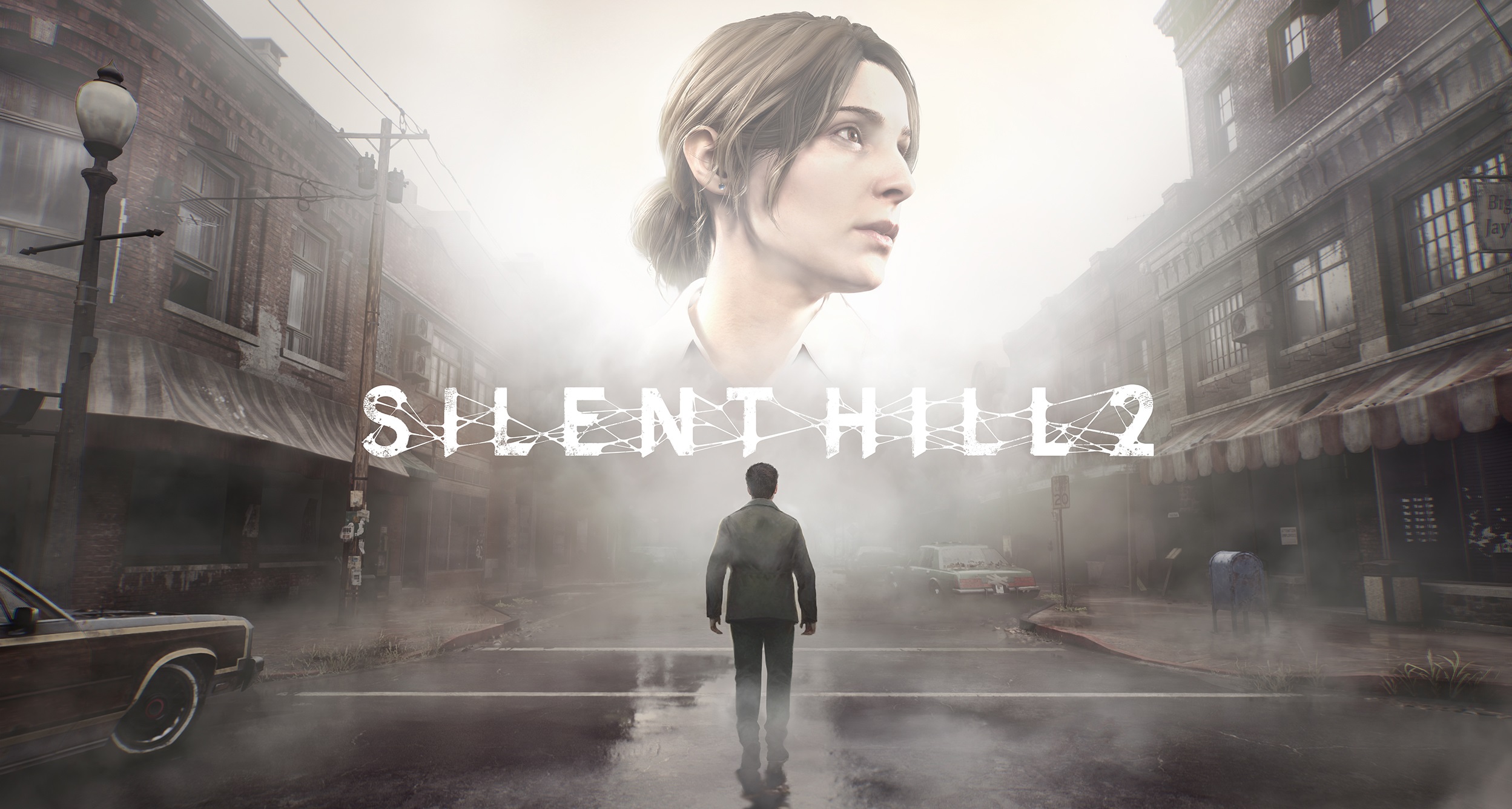
On paper (a stained note lying in an abandoned diner, one must imagine), Silent Hill 2 2024 was going to be a disaster: a remake of one of the most acclaimed titles ever, published by the company that canned a new entry to focus on pachinko and developed by a studio known for tacky rip-offs? Purists indeed scoffed, dismissing the result as too conventional, too fixated on aggro gross-out moments in lieu of the source material’s subtler, more evocative torment. I sympathize with such critiques, and yet it’s been a while since I played a horror game which had me so glued to the red-drenched screen. Calling upon the camera and graphical overhauls by which Capcom modernized Resident Evil 2 through 4, Bloober Team breathe new afterlife into the misty burg while still retaining the pathos and surrealness which distinguished the 2001 original. Combat is responsive yet appropriately haphazard, riddles are tricky yet intelligible, and while I’ve never been all in on Akira Yamaoka’s rock-meets-ambient score, the music remains a nightmarish feast for the ears. There’s just enough familiar to revel in its retooling, and just enough new to keep you on your toes. In my restless dreams, I still see… well, usually me forgetting some nonexistent task at work, but the mystery and metaphorical monsters of that town remain ever-haunting.

I studied Japanese for a year in college, after which I had to stop when my GPA couldn’t withstand fumbling through a new language. In so doing, I reached a point where I could look at some words and, thanks to the symbolic nature of certain kanji, understand what they meant even if I couldn’t understand what they said. In a way, I feel the same about INDIKA: I think I know what this game is about, but I’ll be damned if I can explain what happens in it. The story of an Orthodox nun booted from her convent to journey across a wartime snowscape, INDIKA whorls walking sim, retro platformer, and horror-puzzler into an experience that’s brief, bizarre, and mature in the truest sense. Grotesque impossibilities, like a factory line of whale-sized fish or our heroine praying to literally fix the world while Satan bullies her, pass by with nonchalance between sober dialogues about faith and human frailty. With an openly irrelevant “points” system and Adult Swim-style asides like a little dancing guy emerging from someone’s mouth, INDIKA’s tone is as inconsistent as its gameplay… but for the few hours it took to complete, I was a believer in its sermons.

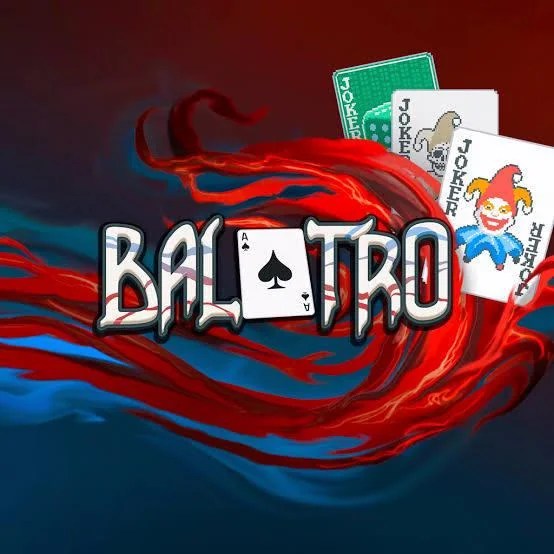
If there’s two genres I don’t care for, it’s deck-builders and roguelikes: I don’t like installing software only to pretend to move paper around, and I don’t like banging my head against a wall of randomized assets instead of traveling through a bespoke, immersive world. Consider me shocked, then—even after a whole casino’s worth of outlets heaped awards upon it—that this next entry captivated me so much, so fast, with just days left in the year. “Poker meets solitaire” may be the superficial pitch, but Balatro pulls so many tricks that a physical deck just couldn’t: in addition to your standard 52, there’s the multiplying effects of Tarot cards, Planet cards, Spectral cards, Vouchers, snazzy variants like foil and gold cards, and a whole DC Multiverse worth of Jokers, all in service of one goal: lay down the best hand possible, cash out, and then ante up. Add in a catchy main theme, nostalgic CRT-style visuals, and sound design that eggs you on like a slot machine for just one more run, and you’ve got a game that draws a line from millennia-old gambling to contemporary mobile titles, all without a single microtransaction. It may be more about serotonin than storytelling, but when the chips are down, I’m just straight flush with praise for this one.

The Metroidvania: Obtuse name notwithstanding, it’s among the most prolific of indie subgenres, where smaller studios can do a lot with a little by focusing on labyrinthine side-scrolling in lieu of photorealism. It takes pizzazz to stand out in the scene, then, but solo dev Billy Basso made a name for himself and YouTube goof Dunkey’s new publisher Bigmode this year with Animal Well. With vintage art design enlivened by dazzling lighting effects, and both literal and figurative hidden depths, Animal Well foregoes spectacle in favor of mystery and quiet revelation. Every room is either a captivating fork in the road or a chamber to be cleared by your growing arsenal of endearing tools, from a frisbee to a bouncy ball. As nods to classics like Startropics and Super Mario Bros. 2 acknowledge, Basso knows that color and wonder made the 2D era great, but unlike in the ‘90s, uniting with other players to crack every secret is far more feasible! Can’t say I’m keen to hop on a Discord to literally piece together certain Easter eggs, but the added appeal to community is just one more reason why Animal Well is, well, great.

Granted, The Legend of Link doesn’t have the same ring to it, but isn’t it weird how few games set in Hyrule let you play as the character whose name is on the cover? That was until 2024, when Nintendo—fresh off of taking six years to release a Breath of the Wild expansion pack—put out The Legend of Zelda: Echoes of Wisdom! Combining the toylike style of 2019’s Link’s Awakening remake with the anything-goes summoning powers of that last installment, Echoes of Wisdom places players in the shoes of the Princess herself, who must set out with a tiny sidekick to quell the supernatural blight which has ensnared the Hero of Time and much of her land along with him. Per usual, most people and places are remixes of somewhere else in The Timeline, but combining the layout of classic Zelda with modern open-world features like fast travel and mission markers makes this iteration of the kingdom a joy to venture through. The summons menu can be a hassle to navigate, but the sheer number of ways to tackle each puzzle is a marvel of design, and means every player will have a unique journey (me, I often relied on either a staircase of beds or projectile armadillo). I’ve got great expectations for Nintendo’s next full-3D Zelda, but in the meantime, offering this cozy, creative throwback entry was a wise decision.

The Plucky Squire is just plain cute. Many have dabbled in mashing up genres and graphical styles before, but developer All Possible Futures lived up to their name in this debut, where the stars of a children’s book leap off the page after they discover their fictional nature—and the evil wizard who seeks to exploit it. In some levels, you’ll be watching top-down, swapping physical words and flipping pages to proceed like a combination of Baba is You and the home video scene from Spaceballs. In others, our hero will emerge into full 3D, hopping over stray pencils and books to trounce the foes who’ve invaded the bedroom of his biggest fan. In-between it all are hilarious minigames like a Punch-Out-esque boxing match with a badger, a rhythmic duel with a metalhead troll, and a shoot-em-up segment played out around the circumference of a plastic mug. The art design is a cheery delight, the humor is self-aware without ever growing tiresome, and the game never stops adding new, clever ways to interact with your surroundings. With Devolver Digital to rep for them, here’s hoping APF are plucked from obscurity and can produce many more wholesome adventures to come!

Yes, it’s a new game—if AAA slop like Concord can hit shelves as a standalone title only to expire faster than a prepackaged salad, then dozens of hours of engrossing new world design, lore, and battles aren’t disqualified just because they’re behind a “you must git this gud to pass” gate in their predecessor. With that out of the way, Shadow of the Erdtree is FromSoftware’s greatest follow-up content ever, literally filling huge gaps in Elden Ring by transporting Tarnished to a realm hitherto obscured, where the seeds of conflict that’d doom the Lands Between were sewn. A new leveling system centered on scattered collectibles caused some diehards to fuss, but I never minded, because as with my Top Game of 2022 on which it expands, Shadow of the Erdtree isn’t just about dying twenty times to some mournful, mutated madman—it’s about exploration, improvisation, and jolly cooperation. A coastline glittering with neon-blue flowers, an abyss clotted with giant coffins shaped like ships, the Blair Witch-grade horror of stumbling upon an abandoned mansion in the woods… every area competes with every other area as one of the most memorable in not just this game but in any game. Even if I gave up on beating Promised Consort Radahn (though we’ll see about that nerfed version), I adored the dozens more hours I sunk into setting out, sword in hand, to see what treasure or terror awaited over the crest of that hill or at the bottom of that chasm. Now more than ever, Elden Ring is just one of the greatest pieces of fantasy media ever.

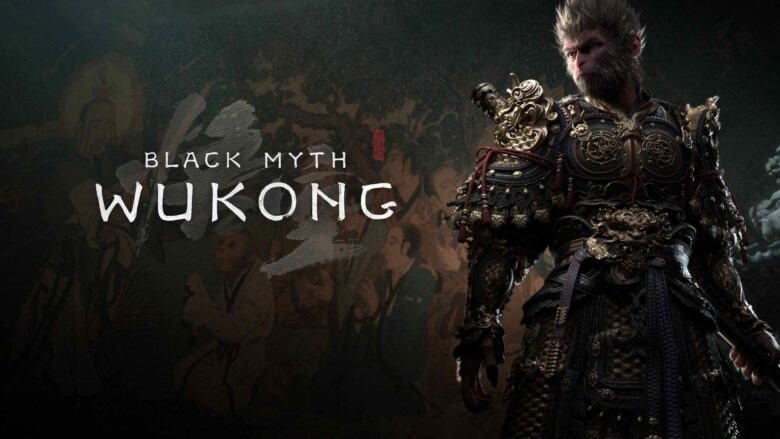
In the centuries since it was penned, Chinese novel Journey to the West has inspired innumerable epics, from Dragon Ball Z to at least one Andy Serkis side gig—even if Westerners themselves may not know it by name. Latest among these adaptions was Black Myth: Wukong, the long-brewing sophomore effort of developer Game Science, which transforms the tale into a gorgeous, high-energy Soulslike. As one does, you’ll be planning a path through gauntlets of foes and tweaking loadouts at the last rest stop after getting bodied by another relentless boss, but far from the measured, stoic brawls which define peers like Elden Ring, Wukong’s simian star yelps, swerves, and unleashes magical beatdowns with the stylish, rapid-fire brutality of Kratos or Dante. The outlandish bosses are massive in size and quantity, yet with so many alternate routes and equipment caches in even the most linear of levels, rare is a moment of boredom or despair. It’s a nice change of pace, too, from the bevy of medieval England or Feudal Japan-inspired action games for one steeped in another culture’s art and mythos… which you’ll then bash to bits with a flaming staff. As with Shadow of the Erdtree, I must confess I didn’t see credits, but no matter—Game Science has cracked the formula for a great cinematic action-RPG, and when the rumored sequel drops, I’m ready to go ape all over again.

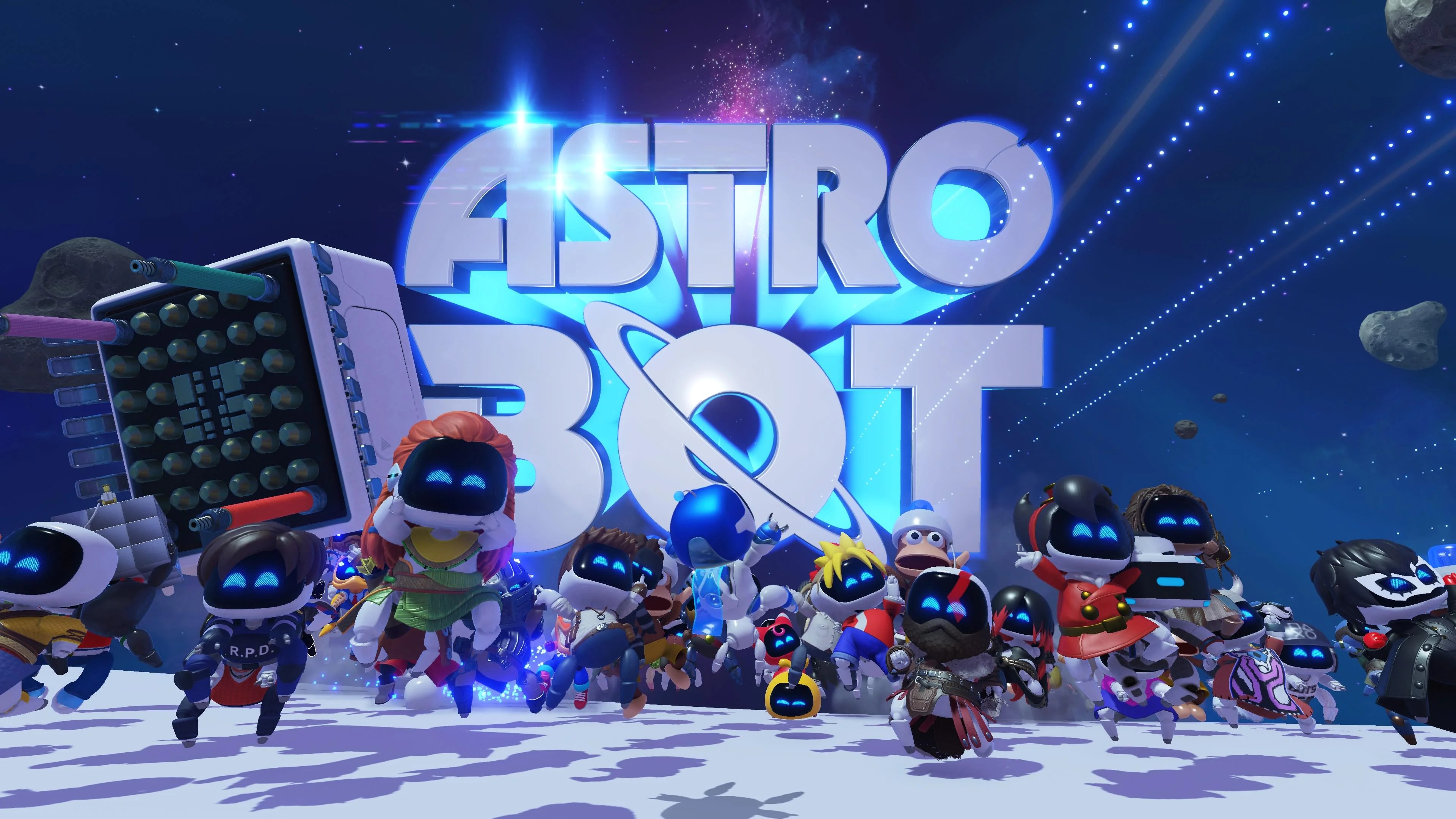
Why are we here? Why are we even doing this? Not life in general, although I think we can all agree this year often raised the question. No, I mean gaming—what’s it all about? Escapism? Exploration? Strategy? The empathy afforded by embodying someone from another country, another species, another planet? Or is it just about… fun? Not the fleeting rush of spending funny money on a new emote or hat, nor the primal release of sending a bullet through a foreign-looking opponent, but the sustained, childlike joy of navigating an environment like the playgrounds of old: shiny, inviting, full of noise and obstacles but in a way that’s invigorating, never truly painful or discouraging. To that end, the PS5 stepped off its high horse of narrative-driven prestige in 2024, and by that metric, Astro Bot could be the most fun I’ve ever had with a game. Team Asobi taps into the console’s power like never before, honoring old-school platformers while also not letting a second pass without something to make the DualShock rumble, jingle, or veer in your hands. There’s always a cool trinket to uncover, always a grin-inducing gimmick to a given level that’ll make you eager to come back again—no trouble at all, given how fast everything loads and how beautiful everything looks. True, it’s also a parade of PlayStation IP that pats the brand on its back harder than a choking victim, but with as much as I’ve enjoyed Super Smash Bros. over the decades, I’d be a hypocrite to deduct points for self-congratulation. In fact, after experiencing so much awe and merriment in a single package, my bar for the next Mario game has been raised rocketship-high. It’s silly, thrilling, charming, challenging, and full of nods to us Millennials who’ve been gaming since the 1900s. When I turn on the TV and sit down on the couch, that’s what I’m here for. What about you?

TOP MUSIC OF 2024

I like music — my artists of choice are rarely high art, and often either super-mainstream or trivially niche, but I think it’s the most efficient form of storytelling, and for that I’ll forever treasure the medium. As a sailor man who’s going into public domain next year once said, I yam what I yam! With that in mind, here’s my top ten albums and singles of 2024:

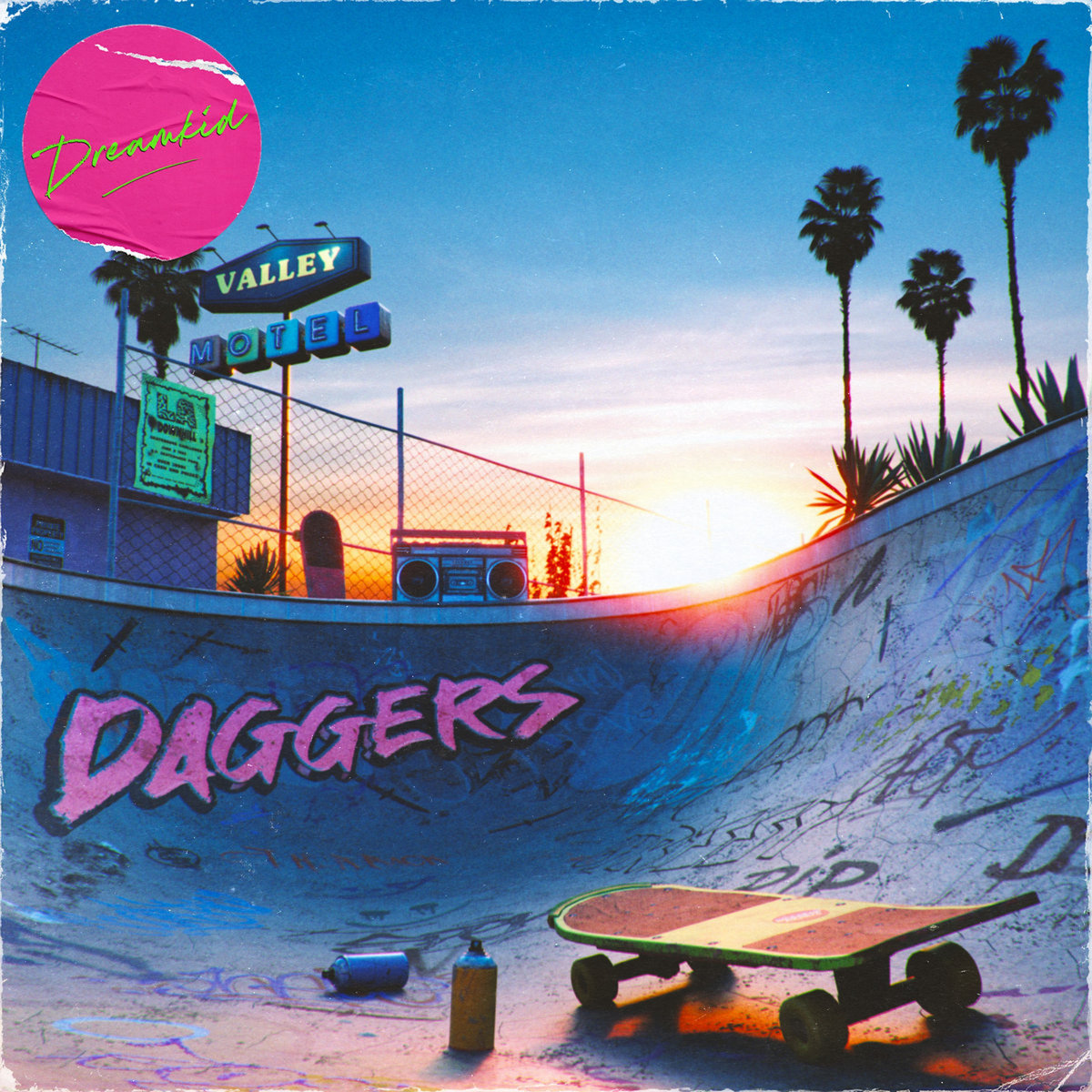
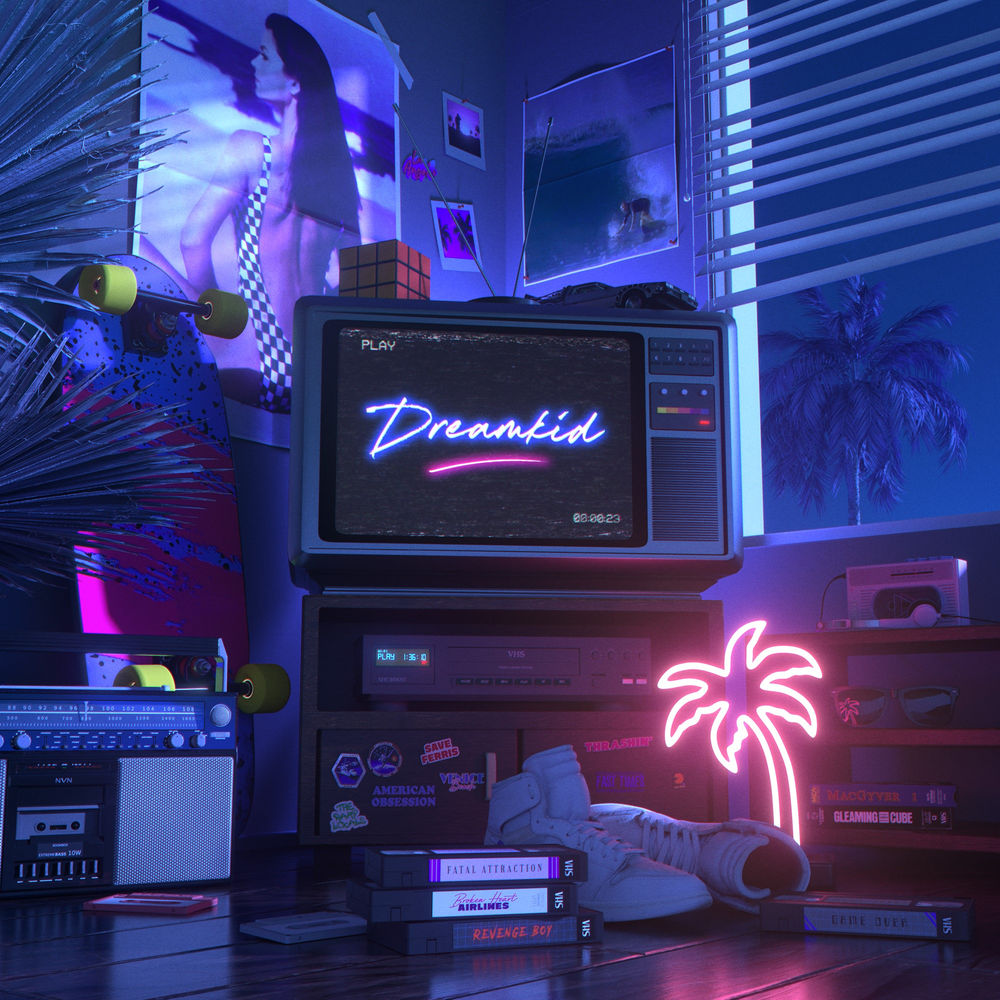
This year, I started writing my first fantasy novel, Neon Bonfire. The story takes place in a world akin to 1980s America but completely uncoupled from our reality, like how typical fantasy occupies medieval-era trappings—think Game of Thrones, but with tape decks and blocky phones alongside the magic and monsters. As with all creative projects, I made a semi-official playlist, the predominant genre being synthwave—and the main theme being the propulsive, defiant title track from Dreamkid’s latest LP. As in their debut, the artist’s palette paints in familiar tones of Day-Glo, static, and melancholy, but once you’ve heard wistful, glittering numbers like “Take Me on Tonight” or “Hometown Memories,” driving home while the sun sets will never quite hit the same again.

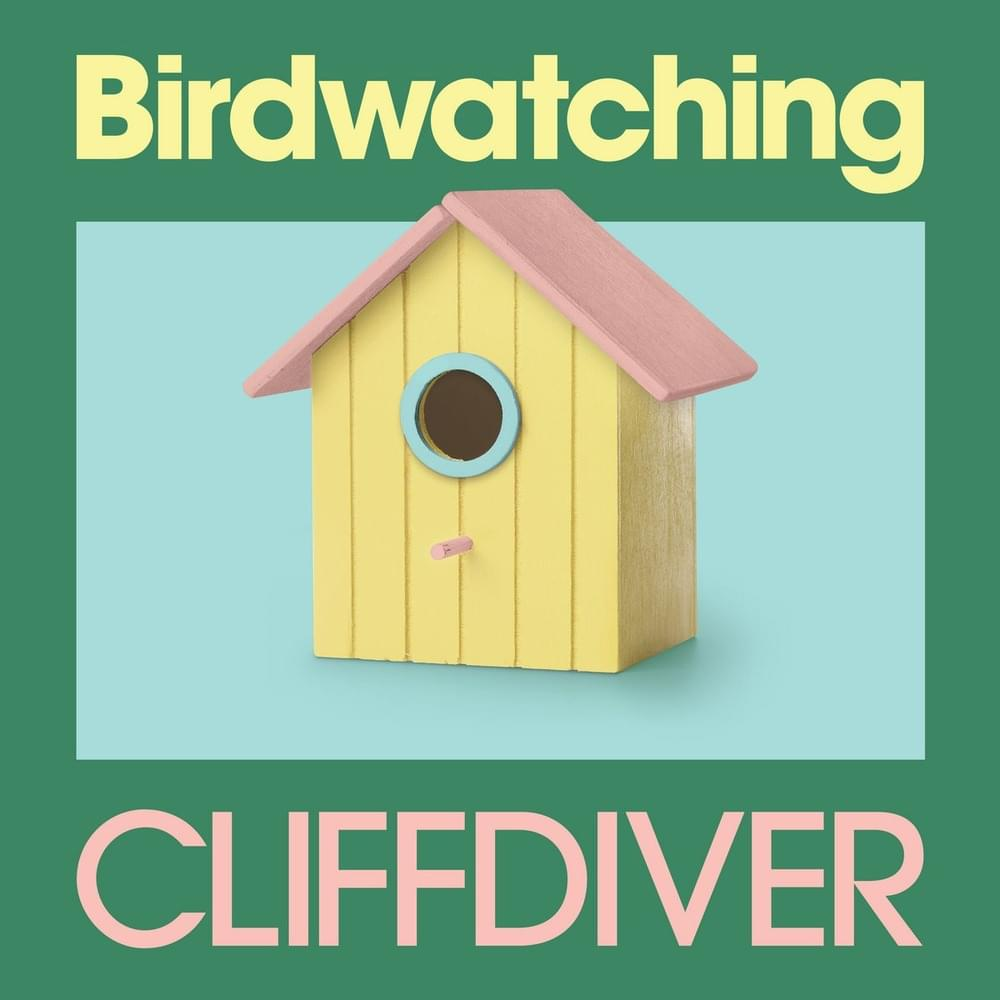
Art is both contagion and medium: Without spreading, it can’t thrive. It’s in that spirit that I have a friend to thank for knowing about CLIFFDIVER, as hearing them belt out “New Vegas Bomb” at a karaoke night in 2023 put the goofy group on my radar. While the rest of their last record, Exercise Your Demons, was just serviceable for this critic, 2024’s Birdwatching won me over with its high spirits, irreverent song titles (see “black lodge breakfast burrito (limited time only)”), and ever-more identifiable passages about being a dork in your mid-thirties. “Team fight tactics” in particular is relationship goals—and I don’t even watch football!

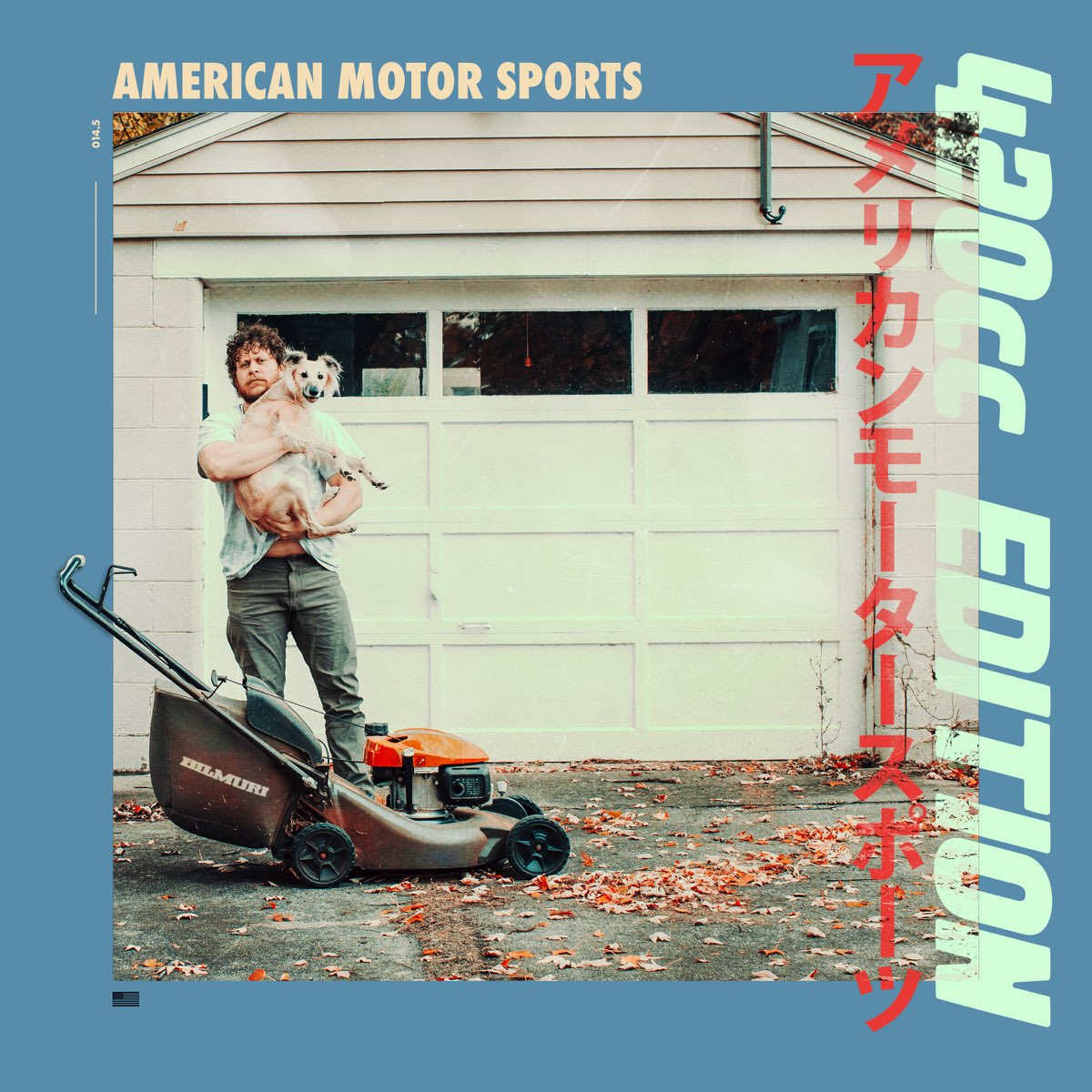
Speaking of musicians introduced to me by a loopy single at karaoke! Even after knowing about them for at least a year—and seeing a live performance at The Showbox in Seattle—I still don’t know how to describe this tongue-in-cheek lunk’s punk-meets-Nashville-meets-comedy niche. “Y’allternative”? “Divorced dad rock”? “Memecore”? Whatever the subgenre, the result is cuts like “EMPTYHANDED,” where our singer bemoans a one-sided relationship before agitated guitars pause en route to the breakdown for a Kevin James sample. If the Hot Topic crowd are to age into country fans the same as our forefathers, I could think of no better entry point than the beer-chugging, lawnmowing stylings of Bilmuri.

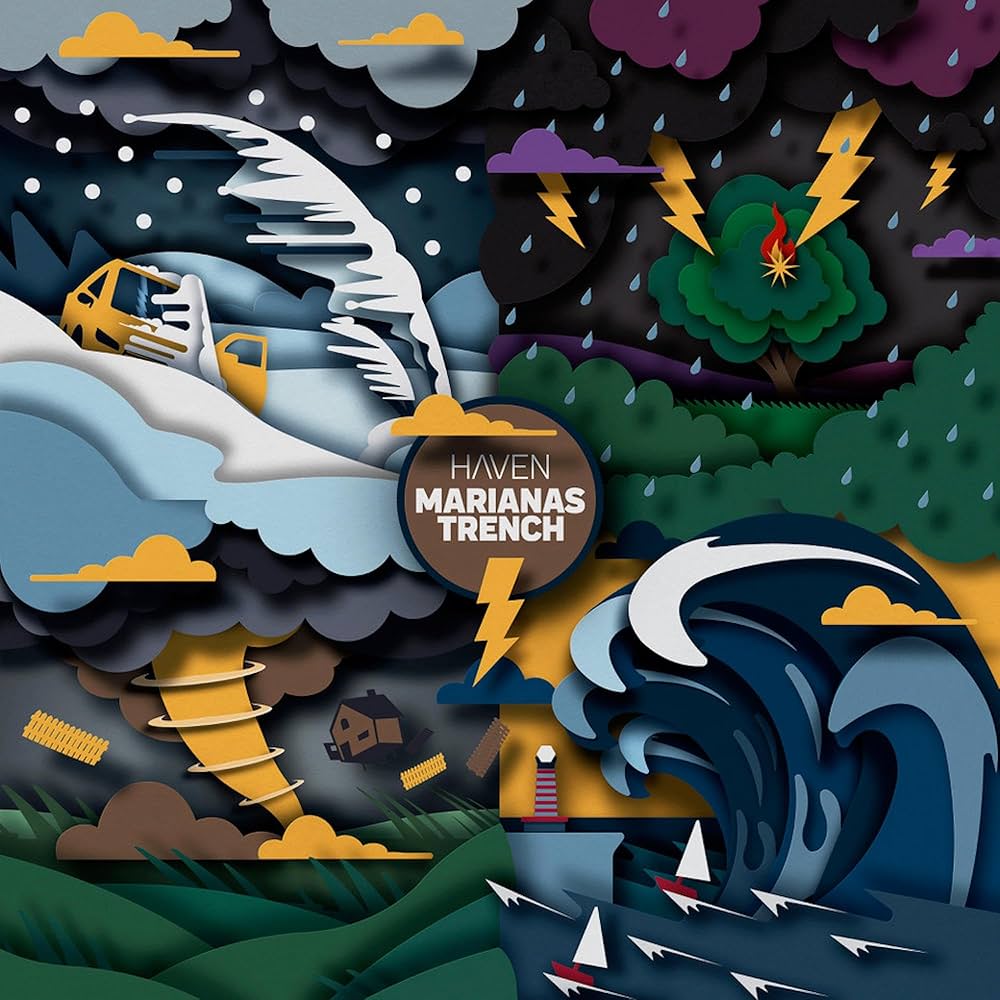
The rules are simple: A new Marianas Trench record comes out, I put it on this list in a second and make it my personality for a month. Once more game for a concept album befitting their roof-raising sound, Haven sees the Canuck quartet soar across thirteen tracks inspired by The Hero’s Journey, the duality of man, and—as their “Force of Nature Tour” (a proud attendee!) foregrounded—the elements themselves. “Lightning and Thunder,” “Now or Never,” “Stand and Fight,” “Turn and Run”… one could get déjà vu scrolling down the track list, but as ever, the band bounces between new wave, funk, and suites befitting a Broadway stage with a verve which flaunts the influences worn on their bedazzled sleeves yet nevertheless drowns out most contemporaries. In a year where I finally made peace with my place in the world, lithe and loud lead Josh Ramsay shouted it best: “In the end, I don’t belong inside a normal life!”

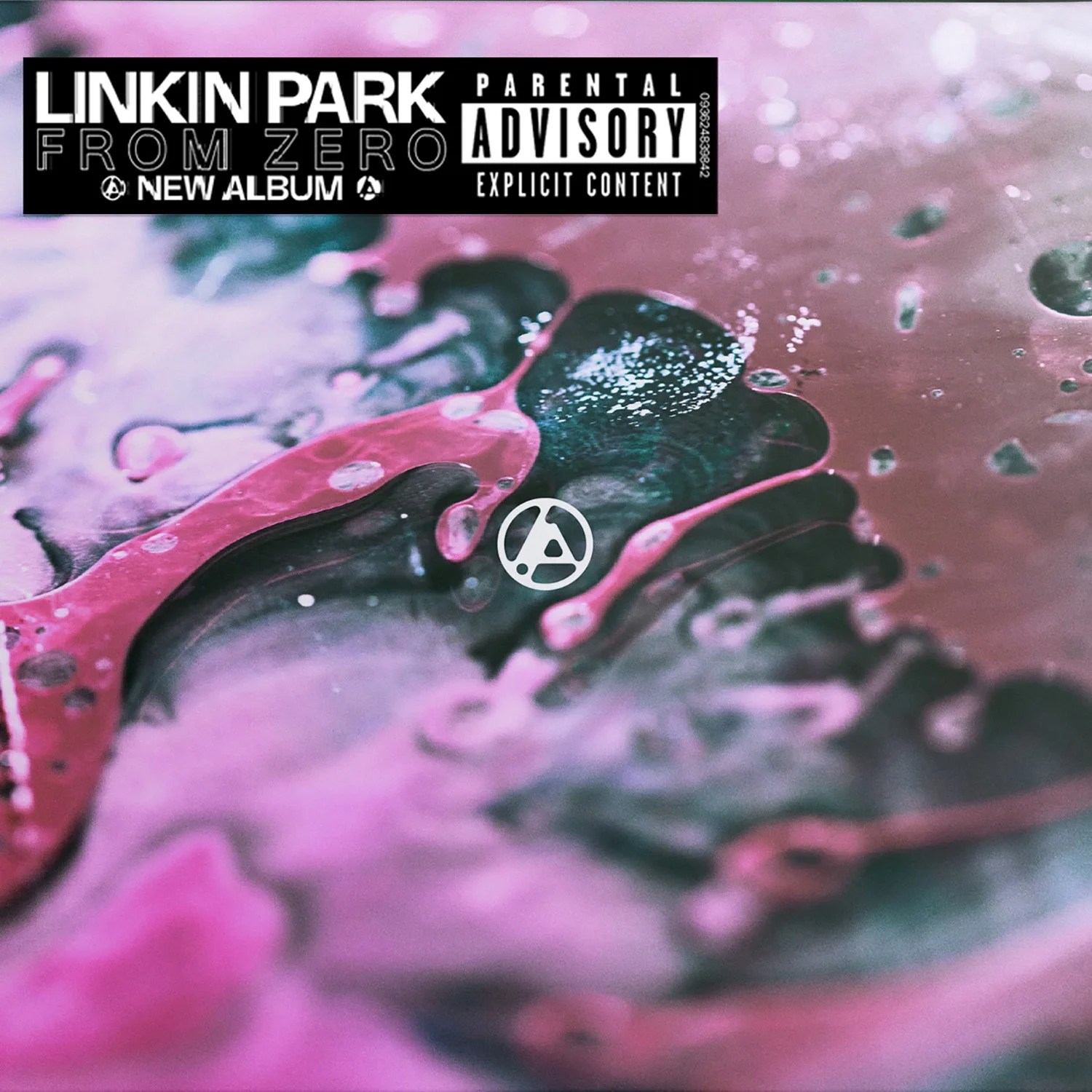
Chester Bennington. The name hovered over another Linkin Park project ever since the iconic singer tragically passed in 2017. Initial reactions to the appointment of Emily Armstrong were thus mixed: A woman! Scientology-adjacent! Who asked the family!? But the show must go on, and From Zero is an album which, while perhaps slight, still taps into the group’s trademark ire with a relish not seen in years. Gone are the club-friendly compositions of preceding records, replaced with returns to form like “The Emptiness Machine,” in which Mike Shinoda spits fire which continues to burn for nine more tracks, and “Two Faced,” where Armstrong scorns a deceitful opponent with eardrum-splitting intensity. Maybe I’m just an easy mark for rocker chicks, but while my sympathies go out to the Benningtons, I can’t wait to see what LP L.P. puts out next

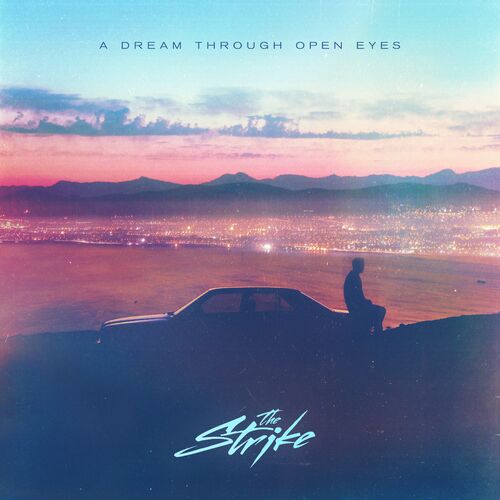
Rock outfits founded on ‘80s appreciation are a booming business, but there’s a fine line between those who paint a new picture with the era’s vibes and those content to just, say, paraphrase Huey Lewis & The News. It’s my pleasure to report that The Strike plants a flag in the former category, and I got outta some serious funks this year for it. From the jubilant “American Dream” to plaintive closer “Until the Lights Go Out,” and reckless ballad “The Getaway” in-between, A Dream Through Open Eyes is just that: the sound of days gone by, yes, but in service of aspiration and love. Headed into 2025, we could use a whole lot of both.

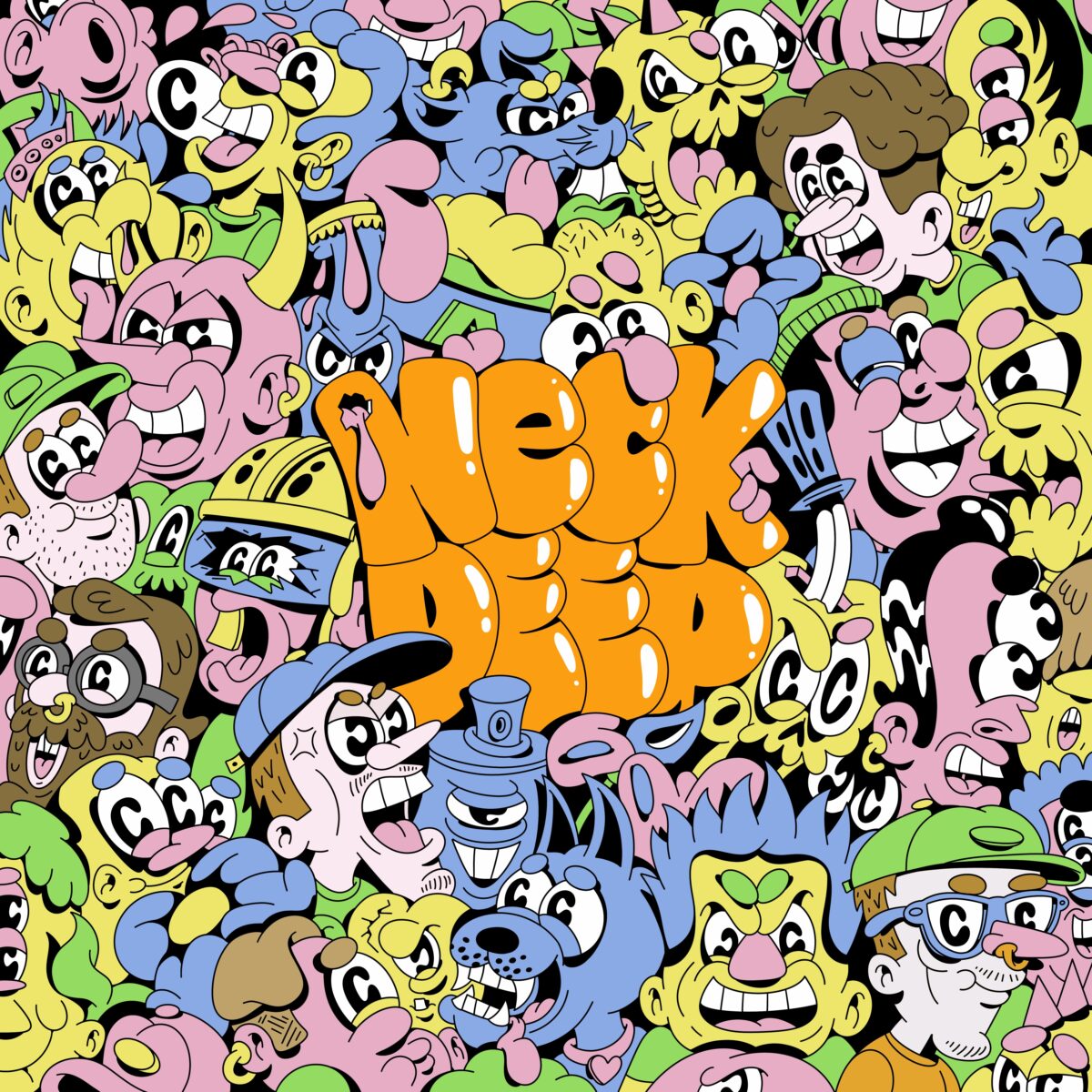
As it was with The Maine in 2023, so shall it be with Neck Deep in 2024: a belated self-titled which confirms that, oh yeah, this is what this band is about and why I dig them. The Welsh pop-punkers allow for zero skips, to the point that it’s a struggle to not just go full Fantano and break down every track. Self-deprecating opener “Dumbstruck Dumbfuck,” political call to action “We Need More Bricks,” post-dumping paen “Heartbreak of the Century,” even Mulder-mode “Take Me with You” from last year’s Top Singles list—it’s all good, it’s all fun, it’s all a mood. It’s been a long, lonely December, but with Neck Deep on the aux and in my soul, I’m never really alone.

If music can be a form of therapy for the musician, then Bring Me The Horizon has been controversial frontman Olli Sykes’ appointment for some time now—the stage his couch, the audience his doctor. Fortunately, BMTH go big yet go dorky, so while tracks like “Kool-Aid” are kinda just a retread of the cult commentary from 2019’s “MANTRA,” we also get the irreverently titled screed “Top 10 staTues tHat CriEd bloOd,” despondent tantrum “n/A,” and a home at last for the most a song has ever sounded like a 1-800-273-8255 call, “LosT.” Here’s hoping Sykes keeps it together enough to finish off this gaming-influenced chapter of the band’s saga, but while I sympathize with folks who see “POST HUMAN” as a glorified mixtape series, I know no better way to encapsulate the fevered dissonance of mental unwellness than an hour of screaming, snark, and asides about wanting to make love to a chainsaw.

Look what she made me do. For four album cycles in a row now, Taylor Swift has entered my Top Five—but for the first time, I have no reservations. I identify as a writer, and having penned poems since I was at least six years old, a poet in turn. As such, framing her first bona fide double LP as an assemblage of intimate, long-winded verses is the closest I’ve come to seeing America’s sweetheart validate my own approach to the medium. Yes, some anecdotes are cringe (“you take my ring off my middle finger and put on the one people put wedding rings on”— hey Taylor, you mean… the ring finger?), but I can only envy the clout it takes to trauma-dump for 30+ tracks to a fanbase larger than some countries and walk away all the bigger for it. The title track paints a searing portrait of a fractured relationship, “Who’s Afraid of Little Old Me?” embraces the starlet’s drama-queen history with scream-queen zeal, and “I Can Do it with a Broken Heart” makes radio-ready pep of weathering industry pressure. Pending how things pan out with Travis, it’s anyone’s guess what the next phase of Ms. Swift’s career will be… but if she’s ever in town, I’m happy to become a liner note.

I don’t make music. I’ve always wanted to, I can, and I should, but I don’t. Even if I never do, though, I’ll rest easy knowing the music I’d want to make was already made by VOILÀ. Fashioning themselves not as singers or even artists but rather “magicians,” Gus Ross and Luke Eisner blend the dissonant sounds of my coming-of-age—emo and sensual electro-pop—into a package that made me kick myself for not clocking them upon their 2019 emergence. A feature by The Ready Set led me to the first act of Glass Half Empty, upon which I relished their back catalogue full of bangers like scene girl ode “My Type” and the flagrantly erotic “So Hot That it Hurts,” but it was the belated joinder of this album’s back half that made me decide my recency bias was justified. I like clever, I like cacophonous, and I like knowing that someone else feels as deeply as I do about the heart and hereafter. “Hope That I Go First” says the quiet part oh-so loud in treasuring an aging partner, “WAR.” unapologetically equates infatuation with the masculine urge to do battle, and when “The Treasure (6 Feet Under)” caps a career fixation on memento mori with a reprise of lyrics past, I knew I was in the hands of connoisseurs of the craft. In enjoying this debonair duo, my glass is not just half full—it runneth over.

Yep, these guys are still around… but so am I, here to treasure wry, baroque ruminations on culture and the human condition the same as I did in high school!

While One More Time was too nostalgia-mongering and, well, mixed like crap to earn space on my 2023 list, the industry-standard second wind of tracks dropped this year made for a pleasant surprise—this B-side in particular. Tom’s autumnal laments may ring like inside baseball, but as an outsider, the sentiment remains relatable: so hey, fuck me, and fuck you too.

I’m serious as a stroke when I say that this anonymous YouTuber doing obscene gangsta rap in the AI-enabled voices of SpongeBob characters is my favorite new find of the year.

Personally, I’d never have chosen to combine dialogue from The Other Guys with emo grievances, but whoever’s behind this Washington-based project with only two singles to their name still has me among their dozens-strong IG followers as a result.

Do you want to get mean, dark, and a little theatrical? If so, The Funeral Portrait is for you, this collab with The Used frontman Bert McCracken in particular.

After his latest album—a premature soundtrack to sci-fi comedy Bando Stone and the New World—Donald Glover said he’s done playing Childish Gambino. Fair enough if so—after Atlanta, “This is America,” and Lando Calrissian, where does one even go but back behind the curtain? Hell if I know who Codi LeRae is, but were the artist to bow out with this single, I’d take its wailing about the futility of love as a suitable swan song.

I like when Kesha does that thing with her voice. Which thing? Oh, all of them.

I won’t pretend I’m unique in stumbling upon a new favorite song after seeing an inordinately high stream count and going “hmm.” Even still, The Dare’s “Girls” supplanted comparably named tracks by Mayday Parade and The 1975 for me this year with its breathless, lascivious lines that read like the diary of a dude three weeks into a fraying vow of celibacy. Arctic Monkeys may’ve moved on to piano noodling, but “indie sleaze” is back in action!

When I said earlier that Dreamkid’s “Daggers” inspired my novel Neon Bonfire, I lied by omission a little. This track, part of a soft comeback from dark synth collective Dance with the Dead, was the real impetus, infusing me as it did with such badass energy (if only upon mishearing the chorus as “it’s cold as hell under us”) that I was helpless to not imagine my own cool fight scene set to its icy strains… stay tuned!

It’s easy to contemplate self-harm—we all have a reliable “off” switch, in the form of the nearest sharp or blunt object propelled inward at sufficient speed. It’s more rewarding, however, to recognize that the flicker of nihilism occasioned by a spate of self-doubt or a stranger’s snide remark is nothing compared to the buoyant, shining promise which the future still holds. From Porter Robinson, such observations might come off as first-world problems, but the acclaimed musician’s delivery is one for the ages, as bemoaning imposter syndrome gives way to a recognition of all that life still has to offer, followed by a triumphant EDM breakdown and, finally, words of wisdom from a Stephen Hawking-alike which conclude with a curt but essential mandate: “Don’t kill yourself, you idiot!”

My Top 10 Films of 2023!

Just in time for Oscar season (so, late), it’s my takes of my top favorite films of 2023! This time, for want of a red carpet or recent, decent occasion for cosplay, I decided to engage in some entry-specific costumery… tune in and see! What were your favorite films of the year?

My Top Games of 2023

2023: Not a good year, am I right? We all have our own reasons—be they personal, political, or just not caring for the weather—but in any event, I think we can all agree that 2024 hopefully holds better days. Fortunately, the last 365 days had some pretty darn good videogames to tide us over! I didn’t get around to most folks’ GOTY, Baldur’s Gate III, but here’s my quick thoughts on ten titles that left me especially impressed, be it for visuals, story, and/or just sheer fun. I’m fixing to “adapt” this into a YouTube video by January, but for the traditional sake of year-end takes, let’s kick it off in writing with…

Since Amnesia: The Dark Descent in 2010, the premise of the indie stealth-horror series (plus sci-fi spinoff Soma) has remained consistent: awaken as a memory-challenged wretch in some bygone era, solve environmental puzzles, and avoid making eye contact with whatever’s slithering around the abandoned building you’re stuck in as you look for both answers and an exit. With The Bunker, though, it’s World War One, and developer Frictional Games adds a new twist accordingly: the titular barracks are under attack by more than just soldiers, but your generator only has so much fuel. What could otherwise be just a spooky walking sim, then, becomes a terrifying cycle of resource management and cost-benefit analysis, every trip deeper into a given tunnel valued in real-world minutes until the lights go out and your nocturnal pursuer gains the upper claw.

As ever, there’s plenty of cheap deaths and finicky physics, and the conclusion is more eerie than satisfying, but the franchise hasn’t felt this fresh and anxiety-inducing in years. For genre fans, you can’t go wrong with hunkering down in this bunker.

Can a game be both a sequel and, effectively, DLC for the last one? It’s a query that’s arisen more and more in recent years, as ballooning development costs and higher demand for consistency between entries have led to many follow-ups taking place, in whole or in part, on maps carried over from their predecessor. The Legend of Zelda: Tears of the Kingdom may well be the poster boy for this trend: the graphics look the same and the overworld is functionally identical, so if, like me, you spent a hundred hours exploring post-robopocalypse Hyrule in 2017, the magic’s just not quite there anymore.

It’s the underworld, though—and the, uh, over-overworld—where Tears both flows freely and reconnects with the series’ roots, as in addition to a bevy of caves and flying islands, we get a roundabout Dark World with The Depths: a subterranean abyss full of new monsters and challenges. Add in some honest-to-Goddesses (if not meager) dungeons and bosses, a stirring dual-timelines plot, and arguably the most robust physics-based crafting system… ever, and you’ve got an adventure which, while missing the impact of Breath of the Wild, improves upon everything which made that game great, and adds much of what it lacked. As contemporary sequels go, that’s alright with me!

Whether Resident Evil 4 is one of the greatest games ever can make for a spirited discussion, but there can be no debate that it’s one of the most influential: from Gears of War to Dead Space to The Last of Us, if you’ve played a game about a guy with a weapon in his hand and a camera over his shoulder that came out in the last eighteen years, you’ve probably got Leon and Ashley here to thank for it.

Expectations were high, then, for Capcom to nail a modern reimagining of the action-horror classic in keeping with the Resident Evil 2 and 3 remakes—and it’s safe to say they delivered. If you’re an RE4 diehard, it may all seem a bit too slick yet familiar, but at least for a casual fan such as myself (I didn’t play the ‘05 version in earnest until the PC port, mere years ago), this is an update in the best way: satisfying gunplay, stellar graphics, and a script which retains the original’s cheesy thrills while both knowing what to cut (sorry, statue-fleeing QTE) and where to add breathing room (a wide-linear lake segment). Post-game support, in the form of comparable revisions of “The Mercenaries” arcade mode and Ada Wong’s “Separate Ways,” are just the icing on the campy, gore-drenched cake!

When I was a kid, a new Star Wars story coming out was a capital-E event—I still remember the months leading up to the 1999 release of The Phantom Menace in particular, when everything from Pepsi cans to KFC buckets had the cast’s faces plastered on it, heralds of a date so monumental that it was as if the new millennium was coming a year early. Post-The Force Awakens, though, with new shows dropping semiannually and George Lucas’s original vision—however bungled and childish—distended into an indefinite cinematic universe, I must confess that I feel like Yoda under his blanket in Return of the Jedi, on the verge of just evaporating from the burden of so much extraneous ~content~.

All of this is to say that it takes a lot for me to get invested in a galaxy far, far away these days, but Star Wars: Jedi – Survivor (I think that’s where those punctuation marks go) earns it. Like 2019’s Jedi – Fallen Order, from which its events directly follow, it’s a single-player, story-driven action game which combines the combat loop of a Soulslike, the madcap setpieces of an Uncharted, and the block-pushing of a traditional Zelda (it’s a compliment, I swear) with a cast of likeable characters who develop themselves and the Star Wars universe in compelling ways, all without sacrificing the series’ pulpy charm. Like many sequels, its conclusion feels more like a stepping stone to some grand finale than its own resolution, but hey—for a brand defined by sets of trilogies, I’m sure another memorable adventure with Cal Kestis and company is just a few parsecs away!

Among Nintendo’s many beloved IPs, Pikmin is perhaps the oddest, if not for its conceit (diminutive astronauts enlist peppy plant people to salvage valuables on an ambiguously abandoned Earth) then definitely for its sparseness, with only two sequels in as many decades (we don’t talk about Hey! Pikmin). That changed in 2023 with Pikmin 4, and while this installment is certainly the most accessible yet, it’s all relative—even with a suite of defensive options and the privilege to re-do a bum expedition, you’ll still have your hands full and palms sweaty managing elemental types, tearing down obstacles, and trying to nab as much loot as possible before sunset.

But thanks to new nighttime missions, the day being over no longer means your adventure is, while a cadre of stranded coworkers make for good company in the hub area, whether by handing out upgrades or allowing you to restyle your custom protagonist. Did I mention there’s also a little dog-like alien to ride, as well as all-new competitive segments where you see who can lift the most trinkets in time? If the word “Dandori” doesn’t mean anything to you, play this latest Pikmin, and it’ll become your mantra soon enough.

What is a Final Fantasy game? That’s not a rhetorical question—after over 35 years, seven console generations, and an untold number of androgynous hunks with spiky haircuts, I’m still genuinely curious. To some, it’s a turn-based JRPG, plain and simple; to others, it’s a checklist of endearingly specific elements: Moogles, magic crystals, deicide, a guy named “Cid” with a vehicle to loan out. Whatever its core values, Final Fantasy XVI caused a stir this year, as not only was it the first Fantasy to secure an M rating, but the gameplay is the simplest the mainline series has ever seen, even after XV’s “hold A to attack, hold B to dodge” format. There’s a relative handful of meaningful items or equipment upgrades, most levels are a chain of slim corridors broken up by vacant fields, and on the rare occasion a fight is difficult enough that you die, you’re given the choice to resurrect on the spot with more Potions.

And yet, call me a lowly Branded, but I had a blast, because when this game gets going, holy hell does it go. From the cold open, where you drop into a battle between two kaiju plummeting into the earth like Gandalf and the Balrog on steroids, the design directive is clear: make a boss fight as exciting as possible, and then make the next one even more exciting. This is not an RPG, it’s a cinematic spectacle fighter, and while I can understand why sticklers might bristle at that arguable dumbing-down, it’s a blessing under my roof—there are brawls in FF16 which make God of War look reserved, including at least one which even rivals the OTT spectacle of Asura’s Wrath. Routine encounters are exciting as well, as juggling melee combos, ranged shots, a canine companion, and nearly a dozen magic attacks means there’s literally never a dull moment in the heat of battle.

The music is invigorating, the characters are compelling, and while certain scandalous asides and the warring-kingdoms drama are transparent nods to Game of Thrones, it suits a world (in)famous for complicated, continent-spanning mythology. I didn’t expect a major developer to revive the glory days of early-2010s character action games, but I’m so grateful that Square-Enix pulled out a Phoenix Down and made it happen.

Tears of the Kingdom wasn’t the only game this year which followed up an acclaimed open-world console exclusive with a sequel set in more or less the same location! To be sure, Spider-Man 2 takes place in a New York that’ll be mighty familiar to anyone who played Spider-Man or the Miles Morales expansion which accompanied its intervening remaster… but while I still feel like Tom Holland-izing Peter Parker’s face in-between entries was uncalled for, it can’t be understated just how fun this game is, both to gawk at and to play.

The Big Apple has never shone so brightly in the medium, and thanks to the subtly enhanced power of the PS5, you can swing, launch, and now outright fly across not only Manhattan but also western Queens and Brooklyn, without a loading screen to be found—including the fastest fast-travel system I’ve ever experienced. Combat remains delightfully chaotic yet coherent, there’s oodles of collectibles (including some seriously sick suits), and being able to swap between two web-slingers at virtually any time is a great feature.

While the story is admittedly less focused than Spider-Man 2018, it balances our heroes’ great powers and responsibilities well: Miles must weigh an opportunity to confront Mr. Negative against the safety of his community, while Pete’s elation at a recovered Harry Osborne inviting him onboard a scientific foundation is tempered when a certain “symbiote” takes a liking to their bodies. Per usual, a threequel is all but explicitly set up, but I can’t wait to see what these Spider-Men do next.

Among the major videogame developers, Nintendo gets a lot of flack, and not without reason: whether it’s antiquated hardware, letting celebrated franchises stagnate for inscrutable reasons, or the Disney-like dissonance of wielding both a family-friendly image and a ruthless legal department, there’s plenty to dislike about The Big N (wait, does anybody still call them that?). But at the end of the day, there’s arguably no other company that, at least in their first-party efforts, answers one simple question with polish and verve: what would make people smile?

To that end, Super Mario Bros. Wonder delivers a cavalcade of clever, colorful, and rambunctious platforming challenges that can be enjoyed solo or with friends. After years of the New Super Mario Bros. sub-series coasting off nostalgia (to the point that the adjective in its title stopped even being accurate), the name change is both an implicit statement of intent and a merry warning—for with every level comes a strange new enemy or hazard to navigate, crescendoing with the acquisition of a trippy “Wonder Seed” which throws time and space itself into unpredictable tumult. Structurally, there’s nothing here you haven’t seen before—and don’t expect a plot more complicated than “Bowser’s at it again!”—but when it comes to the journey mattering more than the destination, this latest outing with the bros is a wonder indeed. Now if only two-player mode didn’t cause one guy to die if the other one just moves a little too far in any direction…

Trevor reclined on his couch, holding his phone in front of him like a menu at a bar whose drinks he wasn’t sure he could afford. It was more comfortable than hunching in front of a computer, let alone a typewriter, and yet the words wouldn’t come. He had to review “Alan Wake II,” the long-awaited sequel to the 2010 videogame developed by Remedy Entertainment which combined a setting inspired by the television series “Twin Peaks” and “The Twilight Zone” with a tale of a writer tormented by dark spirits ripped right from the pages of a Stephen King novel. But where to start?

Should he lead with the story, how it skillfully balanced episodes about not only Alan’s struggle to escape Cauldron Lake after thirteen years but also Saga Anderson, an FBI agent investigating a murder cult in Bright Falls with ties to her own past? Would it be ideal to focus on the gameplay, which– while often cumbersome and simplistic–looked better than ever, every building convincingly cluttered and dark forest ripe with fear lurking behind each tree? Or were the personal touches the most important, the enthusiasm with which Remedy included so many signatures that resonated with Trevor as well? Rock-show musical numbers, live-action interludes, Finnish cultural pride, the mere fact that it starred a horror writer and took place in rural Washington State and New York City, both places he had lived? No, surely it was right to at least open with a tribute to the recently deceased James McCaffrey, whose weathered voice brought so much presence to not only Agent Alex Casey but also Max Payne, upon whom the new character bearing director Sam Lake’s face was clearly based.

Trevor sighed, rubbed his eyes, and put his phone down on the coffee table to go make some lunch. He may as well have been staring into a bottomless pit, a black void stretching into infinity. As uneven as it could sometimes be, when it came to writing about Alan Wake II, the amount of praise he had to give wasn’t a lake. It was an ocean.

On February 14, 1991, The Silence of the Lambs released in theaters across America. Starring Anthony Hopkins, Jodie Foster, and Ted Levine, the film made back over ten times its budget and swept the Academy Awards the following year, winning Best Director, Best Actor and Actress, Best Adapted Screenplay (from Thomas Harris’s novel), and Best Picture. To date, it is considered by many to be one of the greatest motion pictures of all time.

What on God’s metallic, neon-green earth does this have to do with Hi-Fi Rush, a jaunty little character action game inspired, if anything, by a combination of Guitar Hero, Devil May Cry, and Toonami reruns? Well, aside from the fact that developer Tango Gameworks is best known for creepy, grisly titles like The Evil Within and Ghostwire: Tokyo, it’s proof positive (in this humble critic’s opinion) that, sometimes, the winner comes forth at the beginning of the year, not near the end. Hi-Fi Rush was both announced and released on January 25, 2023, and since that surprise drop, I haven’t been able to stop gushing about it, nor—with generous bonus DLC—run out of reasons to return to it. This coming from a man whose reaction to rhythm games is typically to run in the opposite direction with poorly timed steps!

With an effervescent art style and a diverse gang of characters to match, fights aren’t a chore but a joy, and the pace is precision-tuned to keep you always upbeat, always eager to earn another “S” rank or grind down the next railing. During bosses or big cutscenes, the original score gives way to licensed cuts, and while there’s few tunes by music game standards, it’s a matter of quality over quantity—I never thought I’d face off against a buff she-wrestler while Nine Inch Nails’ despondent banger “1,000,000” thrums in the background, but it’s dreams like these that gaming brings to fruition. Also, leave it to this tracklist to indirectly inform me of a Smashing Pumpkins side project, Zwan, that’d somehow escaped my notice!

Hi-Fi Rush is, as much as my bones creak to consider it, an ode to 2000s nostalgia, back when teams of anime-tinged rebels ruled the airwaves and videogames were about power-ups and youthful ‘tude, not pay-to-play battle passes or weary fatherhood. It’s a game by people who know what makes them fun, made for people who share that wisdom. It’s not much, maybe, but as comforts go, it’s like a favorite song on a long drive with friends, volume cranked and windows down.

—————

And that’s, blessedly, a wrap on this turkey of a tour around the sun! I don’t know much about the future (if I did, I’d have quit my job ages ago and become a for-profit prophet), but I do know that there’ll be many more opportunities to come: opportunities to enjoy some fun games, yes, be they long-awaited and AAA or indie hits slumbering in your Steam backlog, but also to put the controller down and tackle the real quests, whether that’s moving on up in your job, finishing that book (reading or writing), or finally asking out that person who you just haven’t had a chance to chat with yet. As I said at the end of this list once, life can still make sense if you don’t force it to. I’m looking forward to 2024 being my most sensible year yet—how about you?

My Top 5 Albums and Singles of 2022

False alarm – I got a bit to say about my Top 5 Albums and Top 5 Singles of 2022 as well! Trying to keep my YouTube channel chiefly focused on film and videogames, though, so I’m sticking with the classic blog format this time:

ALBUMS

5 – It Was Fun While it Lasted, Sueco

As someone who barely listened to anything outside my parents’ music collection ‘til the end of high school, I missed pop punk’s mid-Aughts heyday. Still, call me a late bloomer, but I’ve coveted its idiosyncratic blend of youthful indignation and radio-ready chords ever since! It’s been interesting yet invigorating, then, in recent years, to see the scene resurrected with an injection of hip-hop—and as albums like It Was Fun While it Lasted by Sueco prove, the procedure can produce striking results. Granted, there’s a bit more misogyny and fixation on substance abuse here than I’d prefer, but every swift song crackles with snotty, infectious energy, especially when elder statesman Travis Barker clocks in for a feature on “SOS.” Elsewhere, “Loser” gets points for mixing self-deprecating malaise with manga nods (“If I had a Death Note, I would write my name on every page”), while “Drunk Dial” had me singing along before the end of my first listen. It’s crass, it’s mopey, and it’s riding Machine Gun Kelly’s ratty coattails from the first note to the last, but damned if I won’t still have it on repeat when I’m either feeling real good or real bad. What else is the subgenre for?

4 – Midnights, Taylor Swift

Lover and Folklore were my favorite albums of 2019 and 2020, respectively, so it’s with a somewhat heavy heart that I put Taylor Swift’s latest record comparatively low on this list. However, while Midnights may be moodier and less focused than its predecessors, it’s still full of outstanding tracks that further boost the singer’s climb back from the insecure Reputation era to the throne of the Queen of Pop. Jack Antonoff continues to be an ideal co-writer/producer, aiding in an introspective vibe which befits both the titular setting and Swift’s matured delivery. I like the apt little blinging noises on “Bejeweled,” I like that we’re keeping shades of red going as a theme with “Maroon” and “Lavender Haze,” and I especially like the standout single “Anti-Hero,” which feels like a follow-up to “The Archer” in its fretful confessions, even as it contains one of the worst verses I’ve heard in recent memory (with all due respect, ma’am, no one else has ever felt like “everybody is a sexy baby”). With a “3am” edition that practically adds a bonus EP, we got a whole lotta Taylor this year, but you’ll never hear a complaint out of me!

3 – Dreamkid, Dreamkid

From a certain point of view, it doesn’t take much to make a latter-day “synthwave” album: a palm tree here, an electronic keyboard riff there, sprinkle in some cyberpunk or John Hughes references, and you’re golden. As a fan of the genre—nay, the lifestyle—though, one learns to discern artists who nevertheless put their all into a sincere spin on the sound—and I’m here to report that Dreamkid, with their self-titled debut, is the genuine article. With track titles like “America,” “Game Over,” and “Night Ride,” there’s one particular group whose neon-lit shadow hangs heavy over this project. But while The Midnight explored ballads and Eighties rock this year on Heroes, Dreamkid stakes their claim with a combo of cozy and pulse-pounding instrumentals layered with vocals uniquely evocative of Eiffel 65. From gaming anthem “Restart” to the plaintive refrain of “Parents” (“Mama said, ‘I’m sorry, but I gotta go—your daddy and I still love you so’.”), this is nostalgia incarnate—and sometimes, a little comfort goes a long way.

2 – Dawn FM, The Weeknd

Few artists make music suited for both the bedroom floor and bathroom floor like The Weeknd, who followed up 2020’s outstanding After Hours with another torrid, time-centric LP: Dawn FM. A concept album presented as transmissions from a fictional, fantastical radio station, the sixteen core songs explore love, loss, and all the little pains in-between as that light at the end of the tunnel grows ever-brighter. Jim Carrey, of all people, plays a soothing DJ in several interludes, and even closes things out with an existential poetry reading. Along the way, “Gasoline” is a nihilistic banger, “Take My Breath” spins that three-word plea into another eminently hypnotic danceable track, and I still can’t decide whether my favorite line in “Here We Go… Again” is “make her scream like Neve Campbell” or Tyler, The Creator aggressively intoning “you gon sign this prenup.” If I’m looking to keep a smile on my face, I’ll probably keep Dawn FM out of my stereo, but when the sun is down and you’re short a plus-one, there’s no better soundtrack.
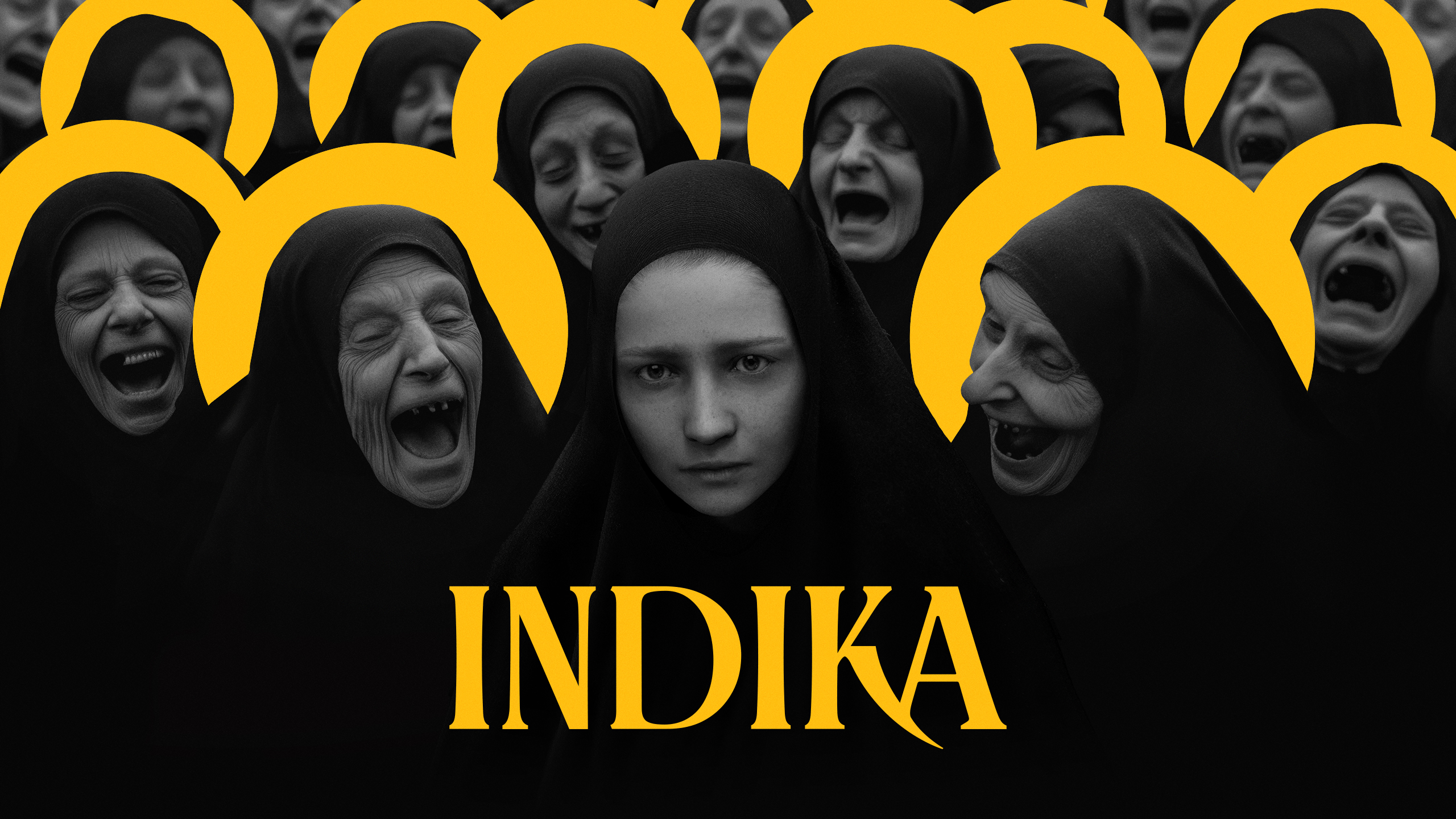
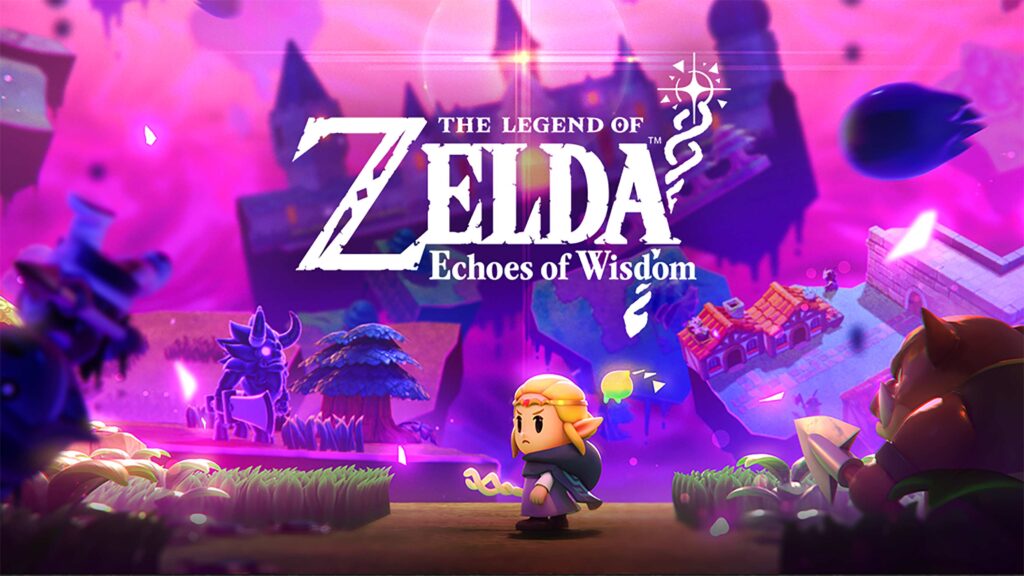
1 – Vaxis II: A Window of the Waking Mind, Coheed & Cambria

For the longest time, Coheed & Cambria was a band I liked in concept more than execution: a prog outfit whose discography is 95% concept albums set in an elaborate sci-fi universe, with the visuals and bombast to match. That changed with 2018’s Vaxis I: The Unheavenly Creatures, which embraced not only a new cast of characters unmoored from the alliterative couple but also shorter, poppier songs. The wait was agonizing, but 2022 finally brought us Vaxis II: A Window of the Waking Mind—in this humble listener’s opinion, their best album yet. “The Embers of Fire” cranks the riff from Vaxis I’s “Up in Flames” to eleven, an opener sure to give even first-time listeners goosebumps, before delivering a dozen more tracks of straight fire indeed. Older C&C fans maybe bemoan the arena-rock production and new emphasis on electronic instrumentation, but for my money (spent on not only VIP concert tix but also the ultra collector’s edition), it’s only fitting for a band this nerdy to finally sound the part. The actual “story” is as thinly sketched as ever—most lyrics pull double duty as vague glimpses into a dysfunctional relationship—but after experiencing this many propulsive earworms under one cover, Vaxis III can’t enter our galaxy soon enough!

SINGLES

5- “emo girl,” Machine Gun Kelly & WILLOW

I already know I’m not getting invited to a party at Anthony Fantano’s any time soon, so I’ve got nothing to lose by saying I actually really liked “emo girl” by Machine Gun Kelly. The encircling album, Mainstream Sellout, unfortunately let me down in comparison to 2021’s surprise guilty pleasure Tickets to My Downfall—the hooks were weaker, MGK wastes a Bring Me the Horizon feature, and at least on the stream I listened to, the vocals were mixed like crap. Smack dab in the middle, though, comes this loud, boneheaded duet with WILLOW (easily having the best 2022 among Will Smith’s family), about the helpless appeal of a gal in fishnets and a Blink-182 shirt. Who else can relate?

4 – “EDGING,” Blink-182

Speaking of Blink-182: Tom’s back! After 2019’s NINE saw Matt, Mark, and Travis kinda just going through the motions to fill time, what a joy it was to hear “EDGING,” the band’s lone 2022 release, get the band back together for the second time in… twenty years? Good lord. You can say the boys are still on autopilot here, but if only til the next album drops, two-and-a-half minutes of catchy, classically irreverent Blink is all it took to get in my top five.

3 – “You Make Me Feel Like It’s Halloween,” Muse

I never know how to feel when Muse puts out a new album—from piano rock to glam, to dubstep, to synthwave, the troupe has constantly reinvented its sound while also not-unjustifiably being accused of copying their peers’ homework, all while maintaining a tinfoil-hatted persona that’s often more cringeworthy than cerebral. This culminated with 2022’s Will of the People, a distressingly aimless record that careens wildly between literal and figurative tones in search of a standout moment it never finds. At least, though, with an early-autumn street date, we got the delightfully groovy, creepy “You Make Me Feel Like It’s Halloween,” which scorns an abusive partner while also being a certified spooky bop. For the holiday, one is usually stuck with “The Monster Mash” and some Danny Elfman tracks, but count this one amongst my annual October playlist from now on!

2 – “Emergency Contact,” Pierce the Veil

There’s not much to report about my number two slot, except to say that it’s another classic emo group triumphantly returning to the airwaves: Pierce the Veil with “Emergency Contact.” While I wasn’t crazy about “Pass the Nirvana,” their other single from earlier in 2022, this tune gives me exactly what I look for from Vic and company: a portrait of chaotic yet enduring romance, with a chorus that won’t easily leave your head once it enters. If this track is any indication, the pending Jaws of Life LP will make for a worthy followup to 2016’s Misadventures!

1 – “Don’t Let the Light Go Out,” Panic! at the Disco

As has been a theme with this list, the full album from which my top single of the year emerges left me lukewarm in sum: on Viva Las Vengeance, Panic! At the Disco pivoted from the brooding and/or operatic tenor of previous albums to functionally generic rock ‘n roll, buoyed only by Brendon Urie’s incomparably hyperactive voice. Indeed, the man likes to shout—but on “Don’t Let the Light Go Out,” he channels that gusto into the beseeching of a man laid low by heartache. When Brendon wails “you’re the only one that knows how to operate my heavy machinery,” the guitar seeming to beg along with him, it’s a peculiar yet immediately understandable metaphor, one which only grows in intensity with every repetition. To me, some of the best songs are the kind that sound as raucous and desperate as true love feels. P!atD may have long since have become a solo project, but when its frontman gets theatrical, I’ll always tune in to belt it out to the cheap seats—or just an empty passenger seat.