
So, well… that’s 2025. Woohoo? I think few would call it one of their favorite trips around the sun—and yet, if you’re reading this, you’re still here, and I say that counts for a lot. In the meantime, too, some pretty remarkable videogames debuted on our screens! In deciding which to play, and which I then loved, I’ll admit it: I’m no tastemaker. I like what I like, and that typically involves at least one explosion or zombie per hour. Per usual, then, some critical darlings didn’t grab my attention, so you won’t find Citizen Sleeper 2 or Despelote among the annual accolades. Also, sorry, Silksong was way too hard. Still, whether for intellectual engagement or just a madcap free-for-all, ten in particular this year went down as prospective classics!
Honorable Mentions (released in 2024!)
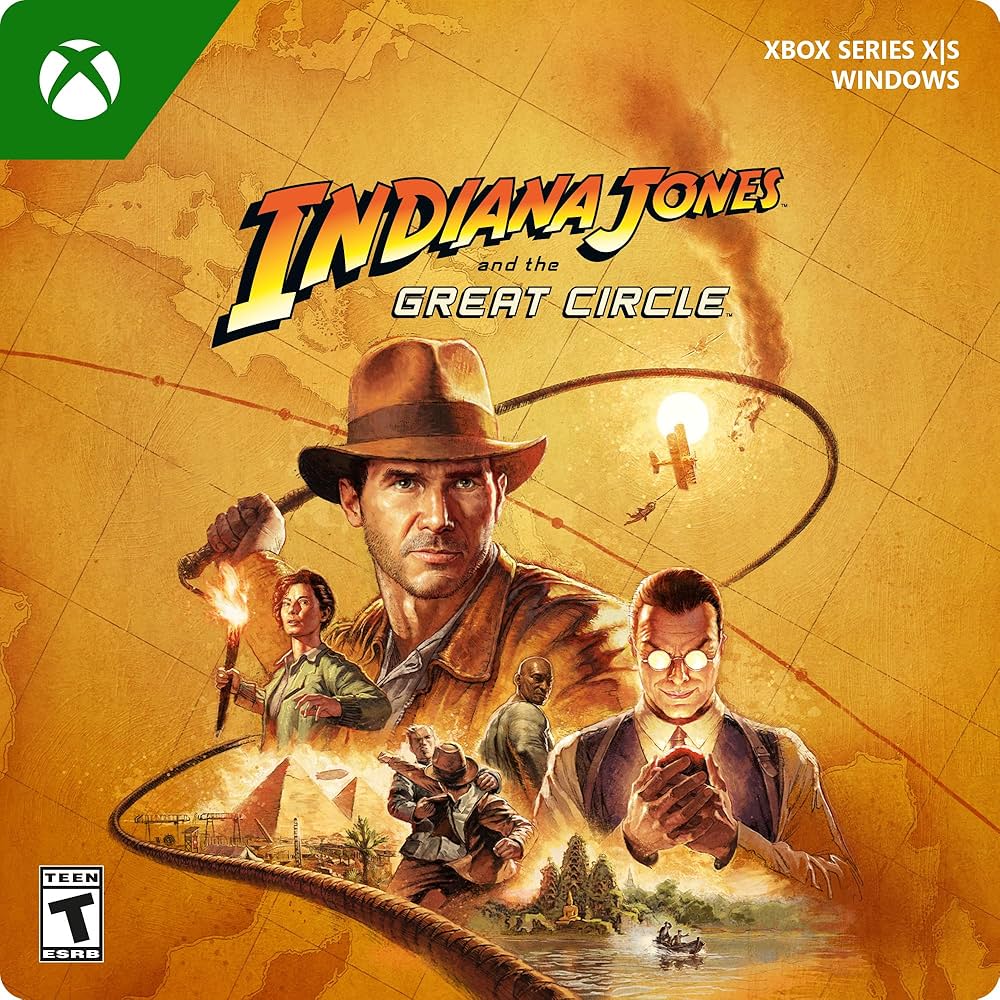
i. Indiana Jones and The Great Circle
When Wolfenstein ward MachineGames was tapped to produce a new Indiana Jones, it was the “yeah, makes sense” heard ‘round the world. But unlike that other series about an all-American hero popping paranormal fascists, The Great Circle prioritizes feeling like Indy over being yet another FPS, and it’s one of this generation’s most exciting AAA offerings for it. Intervening imitators like Uncharted haven’t rendered Indy obsolete; there’s bullets to spare, but you’ll more often be cracking whips and quips, donning disguises, wolfing down food, or consulting textbooks to up your odds of surviving the next spike trap. Between Harrison Ford’s era-appropriate likeness and celeb VA Troy Baker’s uncanny imitation, it’s as if Dr. Jones really did gain eternal life upon drinking from the Grail! For a guy whose boyhood was built on flicks like Raiders of the Lost Ark (here recalled as a tutorial)—and with a lot of unpunched Nazis rising in power—this globetrotting thrill ride was just what I needed to kick off 2025. Let’s hear it for one of Tony Todd’s final performances, too!
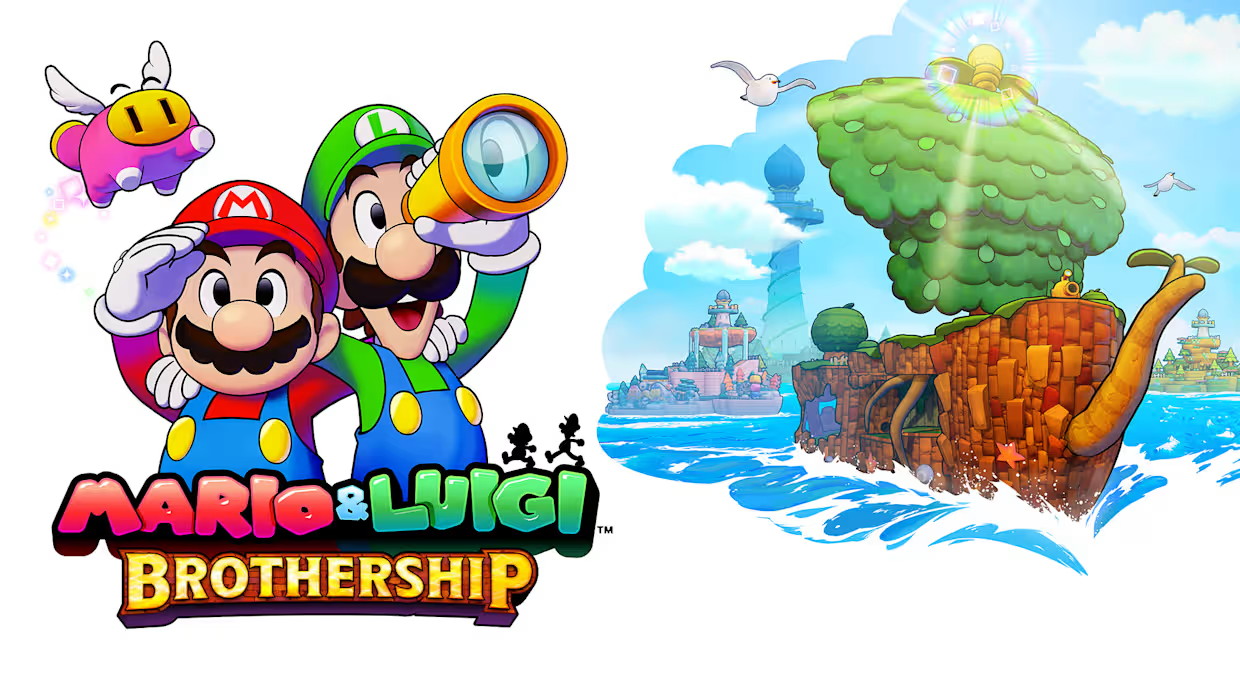
ii. Mario & Luigi: Brothership
I grew up in a Nintendo household, which means my current CV includes a part-time position complaining about their new stuff. Imagine my pleasant surprise, then, when—after a mid Paper Mario crossover and a pair of remakes—the Mario & Luigi subseries pulled into port with a fresh bounty of fun. M&L has long been a bastion of weird humor and clever gameplay, and Brothership’s got both in abundance, alternating between captaining the vessel in question and traversing islands full of oddball obstacles. The opening may be slow, but as the ocean expands, the theme of connection—literal and figurative—permeates plot and art design alike, culminating in the eerie/epic climax I’ve come to love from Mario RPGs. For as long as it’s been in their joint moniker, the bond between these plucky plumbers has rarely been explored by their games. As a sibling myself, I was elated to see what makes these bros so super finally honored.
TOP 10 GAMES OF 2025
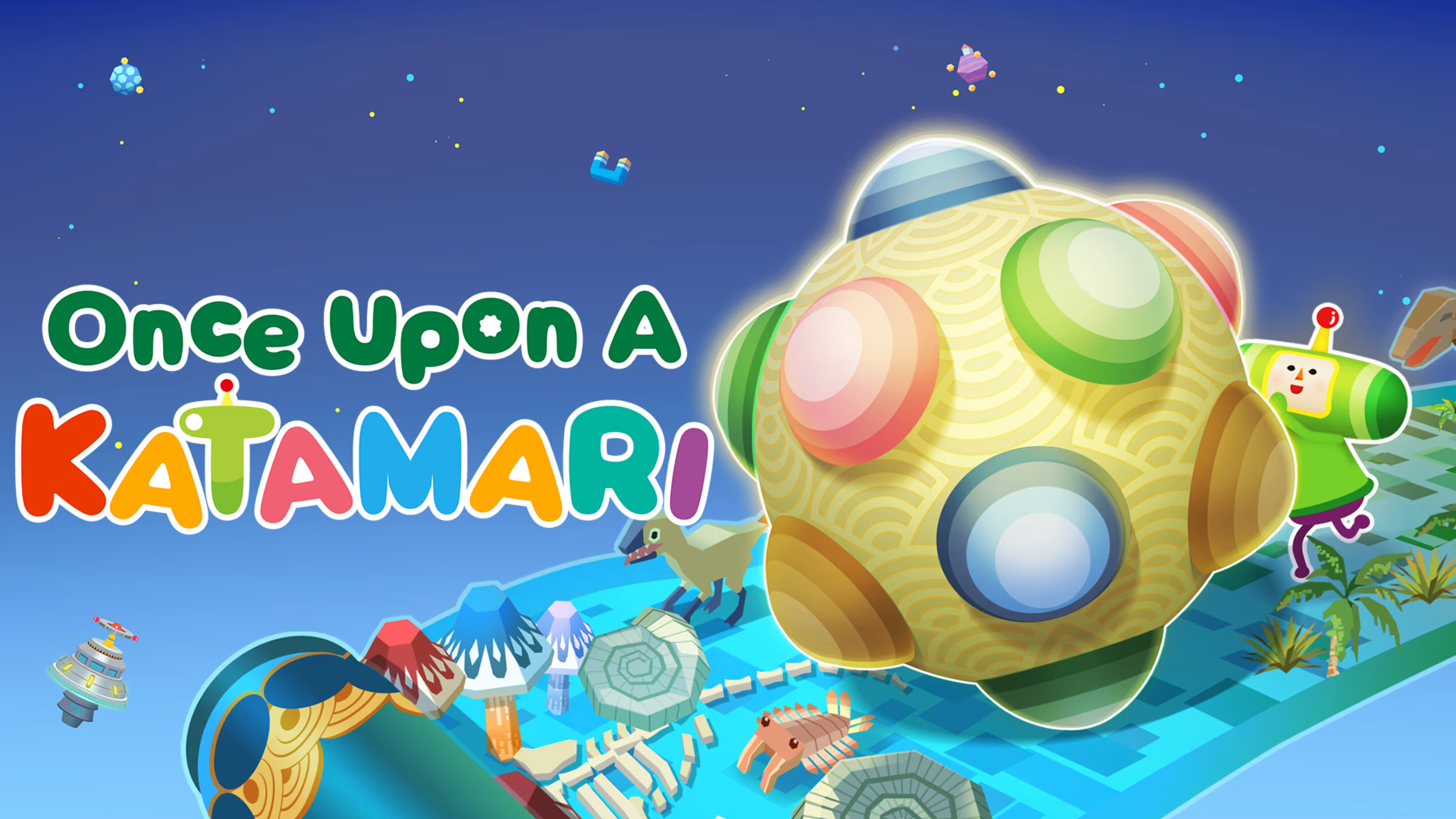
10) Once Upon a Katamari
Circa Y2K, a certain template came to be associated with games that were, in the parlance of the period, “very Japanese”: garish, absurd, juvenile, and only occasionally profitable. In hindsight, how Westerners regarded these imports could be… dicey, but through said window of opportunity tumbled Katamari Damacy—and thank the King of All Cosmos for that! Once Upon a Katamari knows its strengths, and they’re the same as two decades ago: charmingly blocky visuals, an exuberant soundtrack, and the perpetual dark comedy of effectively becoming an apocalyptic dung beetle. A time-travel premise keeps environments more varied than ever, though, and a few quality-of-life improvements make navigation a breeze (comparatively; you’re still steering a sphere). From the opening notes to when credits literally roll, it’s a crazy yet cozy joy. What can I say—I had a ball!
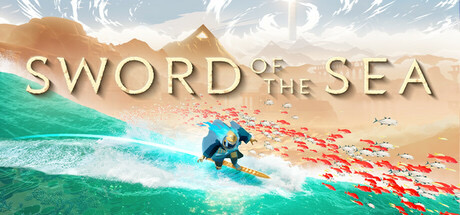
9) Sword of the Sea
It’s one thing to make a game beautiful, it’s another to make it entertaining to play, not just to watch. Many of my favorites (including some to follow) succeed at both, but few have that formula on lock like Giant Squid, whose unions of art director Matt Nava and composer Austin Wintory birth some of the most breathtaking play-centric experiences around. In 2025, they followed up ABZÛ and The Pathless with another game about a lithe loner speedily restoring life to a desolate realm… but this time, you can do sick tricks. “X-Games meets Journey” shouldn’t work; that it does is a testament to the creativity it takes to sculpt what could be just another pensive platformer into something unforgettable.

8) Skate Story
Is there an echo in here? Perhaps, but I think this artful, alliterative sports sim is even better than the last. Whereas Sword of the Sea tends to literally coast on its association with spiritual sisters, Skate Story embraces the spooky yet silly flavor for which Devolver Digital is known. Thrust into the Vans of a “demon made of glass and pain,” you just want to sate your hunger but must descend through an urban, bureaucratic Underworld to do so… trusty board in hand. Developer Sam Eng has crafted a katabasis as rebellious as its protagonist, where cutscenes bleed and glimmer into the letterbox, and poetry pours forth alongside ollies and kickflips. This is radical folklore, the “Haunted PS1” ethos applied to another now-nostalgic genre, infectious soundtrack/stunt-centric speedways and all. Take away my Millennial card if you wish, but I never got into Tony Hawk’s Pro Skater—now, I’m counting the minutes until I can grind those hellish curbs once more.
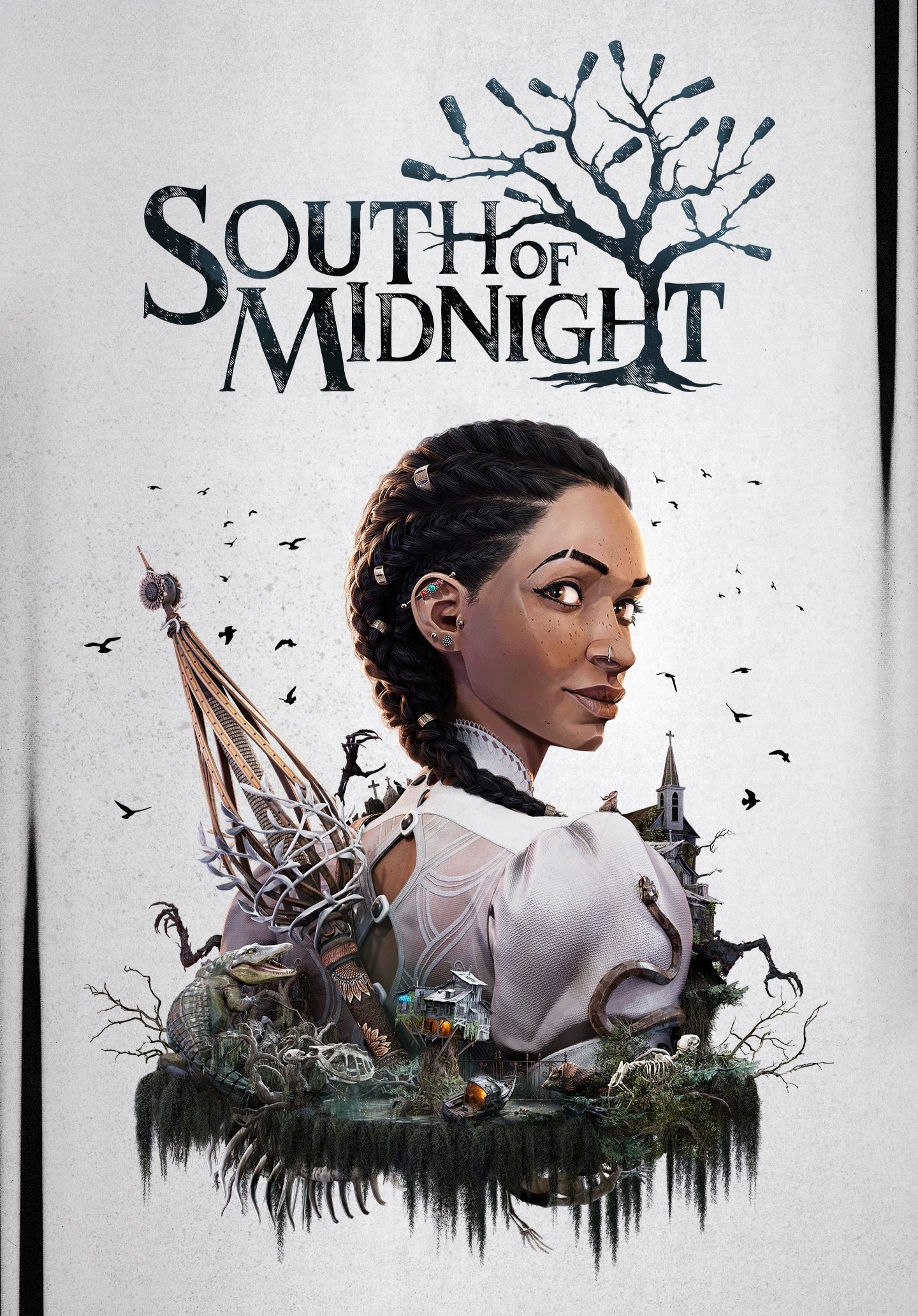
7) South of Midnight
At any game trailers showcase, it’s tempting to say “take a shot every time you’re a guy with a sword,” but I’d hate to encourage binge drinking. Lots of trends have their hooks in mainstream gaming, not all of which welcome stories with different stars or settings. As such, South of Midnight—the rare Xbox semi-exclusive, as Microsoft shuffles off their console-war coil—was a unique delight: a story-driven action game about women of color with lore, looks, and music steeped in the Deep South. You’re still traversing otherworldly environs and slashing baddies to clear up supernatural gunk, sure—certain boxes were always going to be checked for a release this relatively high-profile. From its catfish companion to its compassionate conclusion, however, this remains a gorgeous tale of uncommon empathy and flair.
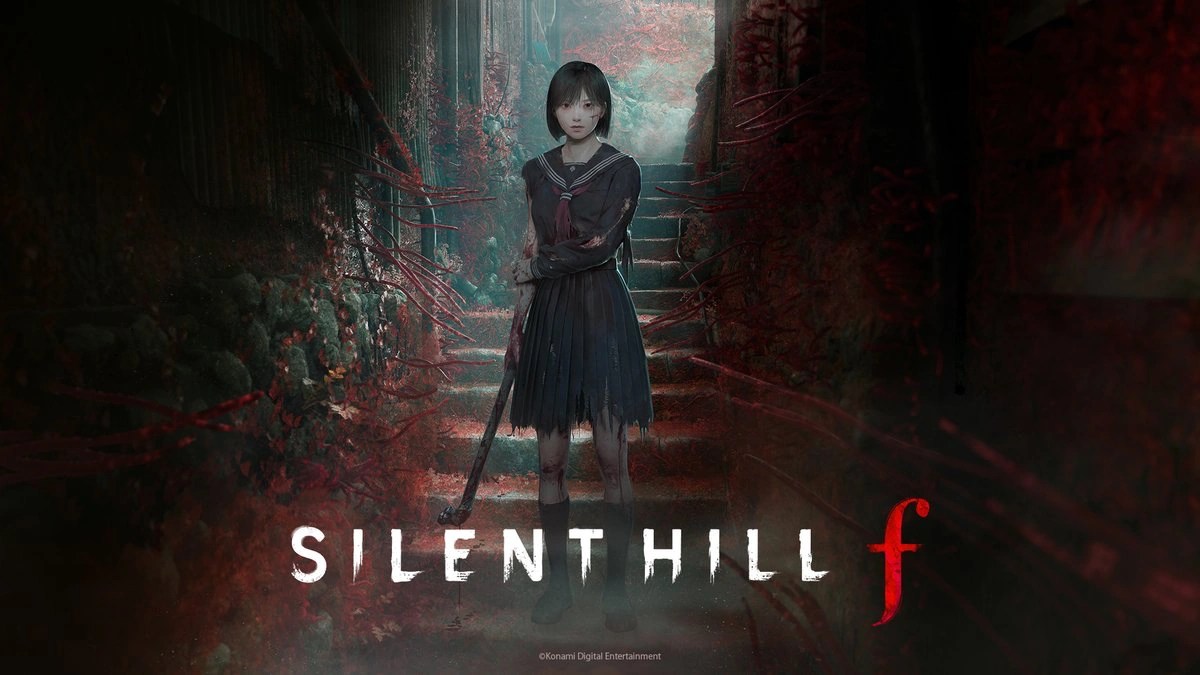
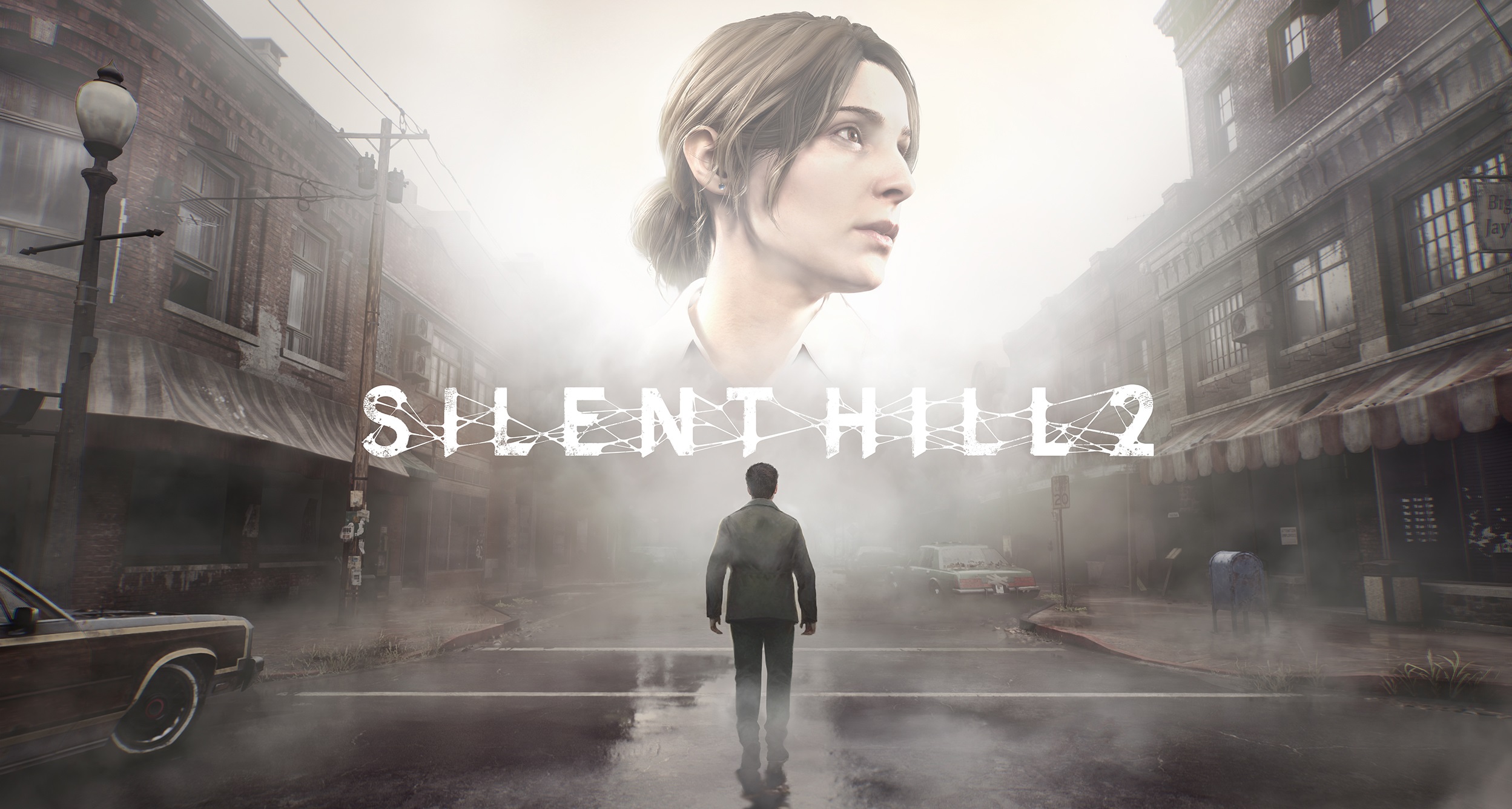
6) Silent Hill f
It was a dark joke for a while how little Konami seemed to value one of its flagship franchises, relegating a pillar of survival horror to skate decks and pachinko parlors. More recently, however, the publisher has thought twice, and after overseeing a laudable SH2 redo, 2025 was the year they pressed F to pay respects. Gone is the American Anytown of preceding entries, replaced with postwar rural Japan and a cast of schoolchildren, and yet—expanded combat and inventory aside—the series has returned to its roots as deeply as the bloody blooms polluting our heroine’s hometown. The mist, the mystery, the nightmarish knowledge that something is very wrong even as you must trudge forward: it’s all here, in service of a dive into the psyche of a teenage girl which makes the title stand out despite that lower case (there’s a reason this isn’t Silent Hill m). As ever, can’t promise I’ll do another run just to get a better ending, but this descent into madness left a deep mark on me all the same.

5) Doom: The Dark Ages
My thumb hurts. I started thinking that after only a few hours of Doom: The Dark Ages, which was only a few hours from its end (inevitable DLC pending). I still wanted more. This is not a thinking man’s game: at least on “Normal,” enemies telegraph attacks with intersection-sized light shows, and—unlike its predecessor’s resource-slim fracases—a pocket armory means the only thing you’ll see less than an empty magazine is a square inch unsplattered with guts. Ignore the metalhead storytelling if you please, then, but the animal excitement of charging into battle remains, this time across missions which range from medieval to Lovecraftian. Equipped with a buzzsaw shield that’s part Captain America, part Marcus Fenix, the Doomslayer has never been more aptly named, while dragon-riding segments infuse the wide-linear levels with welcome aerial variety. Also, this game contains the coolest image ever depicted, in any visual format: fist-fighting Cthulhu, in a mech, in Hell. God of War may no longer be with us, but in carrying on its gory yet gleeful irreverence, Doom reigns eternal.

4) Cronos: The New Dawn
Is Bloober Team in their redemption era? Unlike some critics, I never begrudged the studio for honoring their influences, but there’s no denying Bloober got big off the backs of any horror game that wasn’t nailed down. In Cronos, that template is Dead Space with a dash of Control, and yet the result is a trippy, traumatic downward spiral greater than the sum of its goopy parts. Cast as “The Traveler,” your armor may shine, but you’re no knight—what few survivors remain cower at your approach, and the world may not be worth saving. Fights are grueling, checkpoints scarce, but for hearkening back to Aughts shooters in aesthetics as much as tone, the difficulty’s only fitting. More than any satisfying headshot, the curiosity to find out what happened to this ruined alt-80’s Poland and why kept me stomping forth (hint: social distancing remains prudent). It’s alien yet human, grotesque yet enthralling, and rife with the moral quandaries that great sci-fi presents. And if you die, don’t worry… just try again. Such is our calling.
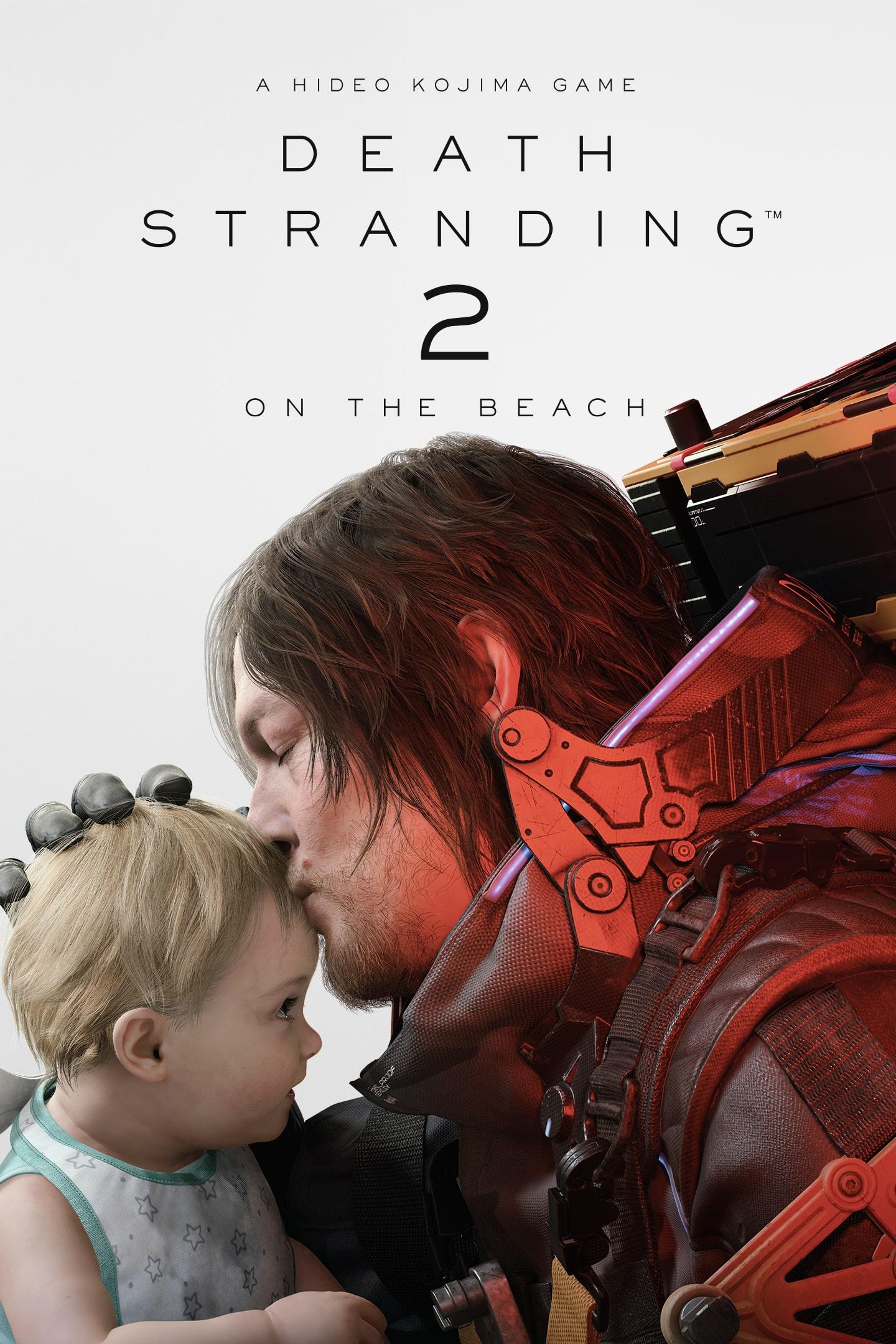
3) Death Stranding 2: On the Beach
Once you’ve made a game about a canned fetus helping you throw pee grenades at interdimensional ghosts for Guillermo del Toro… how, exactly, do you follow up? For professional geek Hideo Kojima, the answer was—ironically—more of the same. Death Stranding 2 is, by some margin, the safest the rock-star dev’s ever played it: same doomsday DoorDashing, same rush of thumbs-uping holograms as you pop wheelies over rocky terrain, even another subplot about getting sucked into warfare against spooky skeletons and a mysterious man from your past. To say Death Stranding saved my life would only barely be exaggeration, so in truth, DS2 did leave me wanting more—and, in its newfound trigger-happiness, wanting less. Compared to peers, though, even average Kojima is still a top-fiver! The ethereal playlists, the lifelike graphics, Troy Baker (hello again!) chewing enough scenery to injure his jaw, the Yoji Shinkawa art design making it clear this dude really just wants another Metal Gear… it’s a lot, and not all of it works. If you’re out, I get it—but if you’re in, keep on keepin’ on.
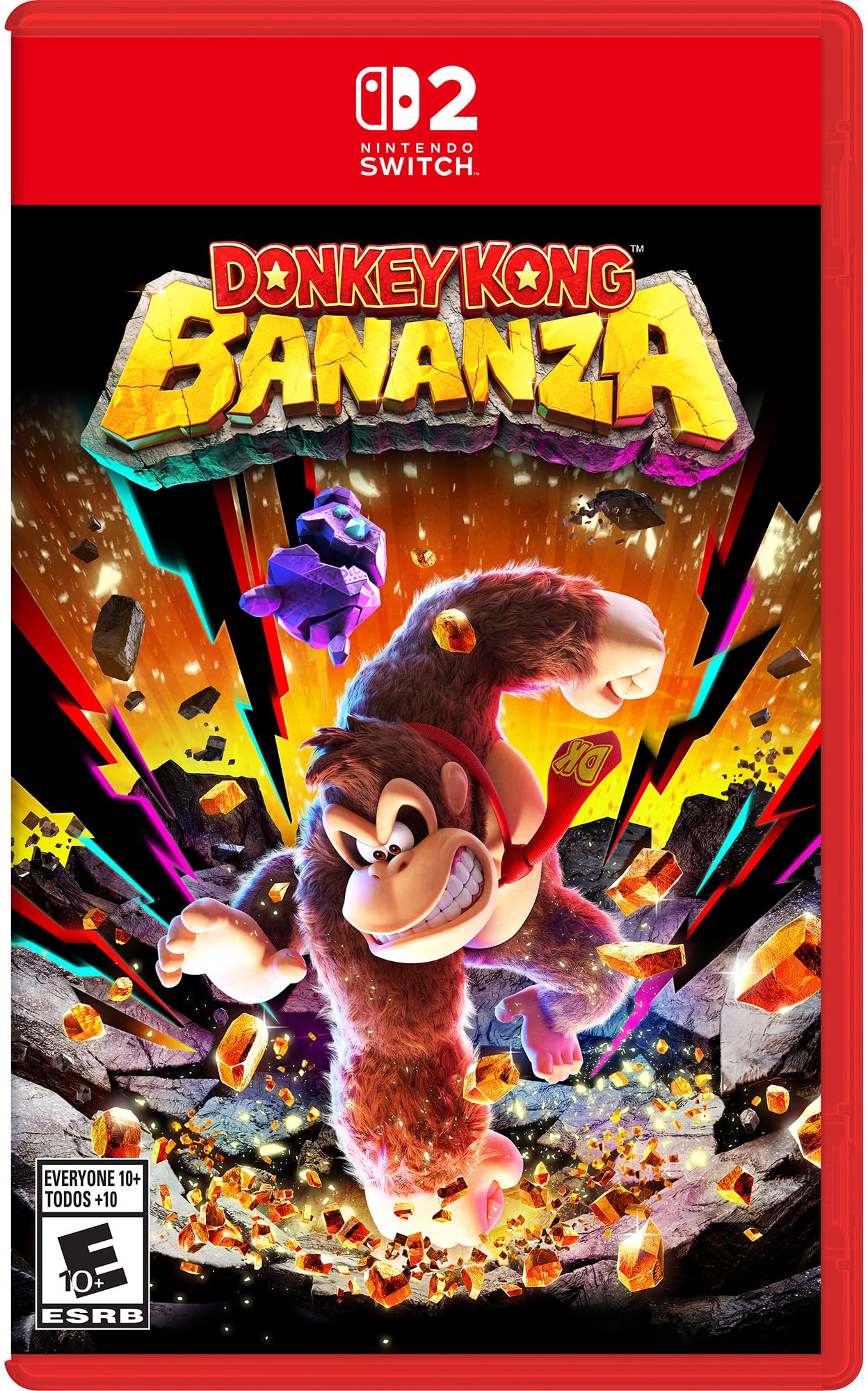
2) Donkey Kong Bananza
In 2010, in ostensible lead-up to that year’s big Wii release, Nintendo announced a pending trademark for “it’s on like Donkey Kong.” Stay classy, guys. Still, the phrase didn’t accrue value out of nowhere—owing to his villainous origins (and existing history of legal action), DK was a uniquely violent mascot before Mario or even Wario started throwing hands. In that spirit, Donkey Kong Bananza sees DK barreling out of hiatus and through the planet itself without missing a (jungle) beat, for a whole new spin on the collectathon. Games have explored terrain deformation before, but how thoroughly Bananza commits to the bit(s) makes every level a literal sandbox of colorful chaos. Punching one’s way through a nod back to King Kong’s Hollow Earth would be a pleasure enough, but—petite Pauline in tow—there’s endearing banter, DJ interludes, and countless side objectives to keep the good vibes going. Joycons equipped, I dare you to spend five minutes in this great ape’s necktie and not walk away with sweaty palms, craving crunchy bananas. The console may have launched with Mario Kart World (meh), but in reminding us what exhilarating wonders The Big N can still muster when they apply themselves, this is the Switch 2’s killer app.
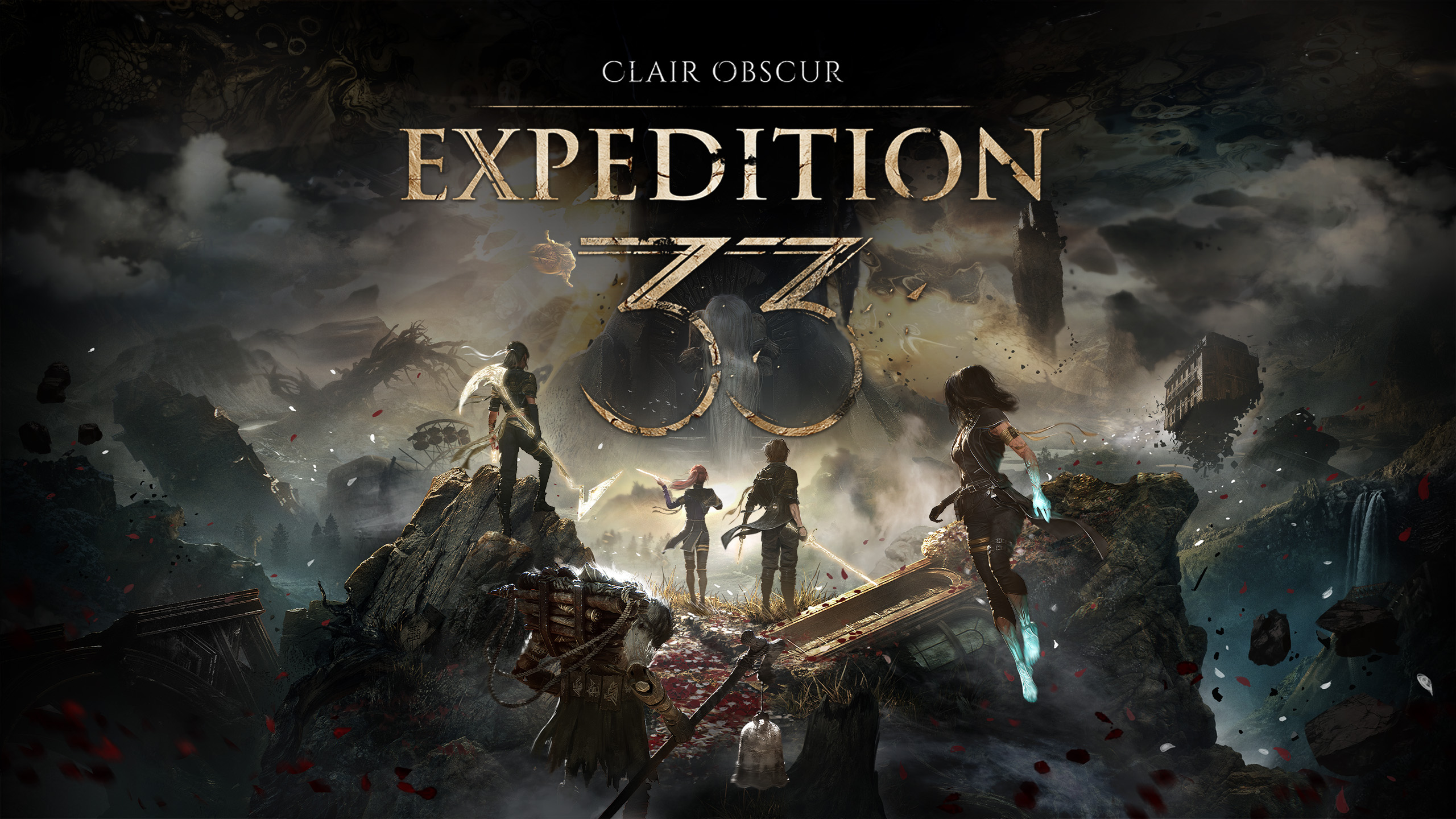
1) Clair Obscur: Expedition 33
When you leave your twenties, so kids say, you’re washed—cooked, chopped, probably some other state that doubles as a baking verb. It can be good for a laugh, the occasional meme riffing on mortality’s unyielding march. But what if it was true? What if, once you hit 33, you died—not just died, but turned into flowers, becoming a memorial to your own grave never to be dug? Last year, that cap was 34; next year, it’ll be 32. Do you see a pattern?
That’s where Expedition 33 starts. Where it goes is both a showcase of and tribute to every act of creation that makes life worth living: fashion, painting, acting, writing, singing, dancing, and yes, playing games. Teeth cut at Ubisoft, the upstarts of Sandfall Interactive take the stylish turn-based combat of Persona 5 out of high school and into high fantasy, for an epic adventure across lands influenced by French culture yet teeming with engrossing characters and magic all their own. E33 is a spectacle without question, particle effects absolutely going off as you lob spells and frisson-inducing parries at monsters. More than any glossy cinematic, though—and even despite undeniable flaws (some odd HUD omissions, and get outta here with Gestral challenges)—it’s the little things that moved me most. A “we” before the standard “continue” on your post-battle summary. A buff, granted by an ailing boss, that makes you wonder whose side you should be on. The story of a party member’s scar, hidden behind fearless eyes and campfire conversation. A death, sudden and undeserved, with others to follow.
Live long enough, and you’ll face grief. Tragedy. Loss. In those moments, it’s tempting to want to shut down, to retreat into a special place where everything’s okay. As a child, that place was some of the first games I ever played, RPG classics like Dragon Quest and Chrono Trigger. To meet E33 at the titular age was coincidence on my part, but it still feels meaningful, like the medium that raised me coming back to teach new lessons. Heading into 2026, the biggest dream Clair Obscur (and, with luck, more entries under that banner) presents is a society where people care about future generations. But fantasies can educate us, inspire us to make the implausible inevitable. This world isn’t going to save itself—it’s up to us. But not just for us. For those who come after.




 Notes&Sketches