TOP FILMS OF 2024

Time to call “cut” on 2024! I could do without a sequel for this one, but as somebody once said, life’s like a schlocky movie–even if you wouldn’t watch it again, no sense walking out in the middle. And as far as films themselves go, I saw plenty this year that gave me a fine occasion to kick back, lock in, and enter a world more dramatic, ecstatic, or kick-ass than the daily grind (plus, can’t beat theater popcorn butter!). I didn’t manage to catch some folks’ favorite pictures, like Anora or A Different Man, but among those I did, these are…. my Top Ten Films of 2024.
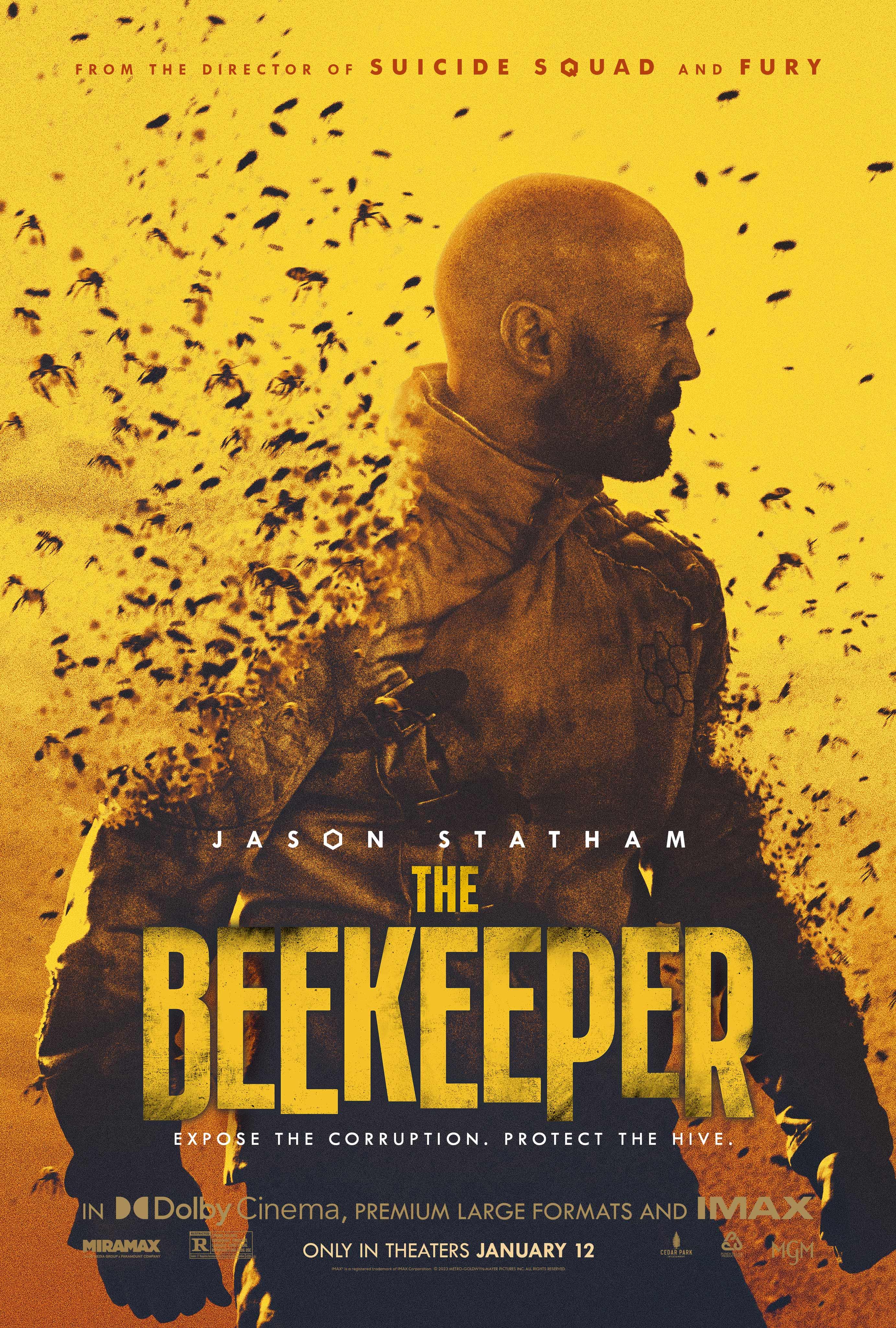
How long can one man look the same and play the same character? Every action star must confront the question, but for my ticket stub, Jason Statham is so far so good. Which brings us to The Beekeeper, written by Kurt “we have The Wachowskis at home” Wimmer and directed by David “Suicide Squad could’ve been great bro” Ayer, a thinly sketched yet enthralling honey of a B-movie. True, the lore of our titular badass isn’t confusing so much as unfinished, presupposing audience familiarity with “secret assassin underworld” franchises like John Wick in lieu of actually developing its premise. However, with his trademark sneer and pugilist’s build, Statham shoots, slices, and immolates his way through a cadre of Saturday morning cartoon-tier villains in fight scenes that left me buzzing with excitement. Phone scammers, crypto bros, PMCs—make up a guy to get mad at, and “Adam Clay” is here to put them down. The brawls are good, but the sets are no slouch either, from neon-drenched call centers to yellow and/or grid-like environs which slyly symbolize the societal “hive” our hero seeks to protect. There’s plenty of memorable nemeses too, both colorful (a colleague with a minigun; a merc with a prosthetic leg) and subdued (Josh Hutcherson as a twisted tech mogul; the Jeremy Irons). Wimmer’s script has a lot of glib “wait, what’d they just say?” dialogue, but it balances comedy and violence well, while still raising genuine awareness of elder abuse and cybercrime. Who knows if this’ll get a sequel, but if it does, I’ll bee there!
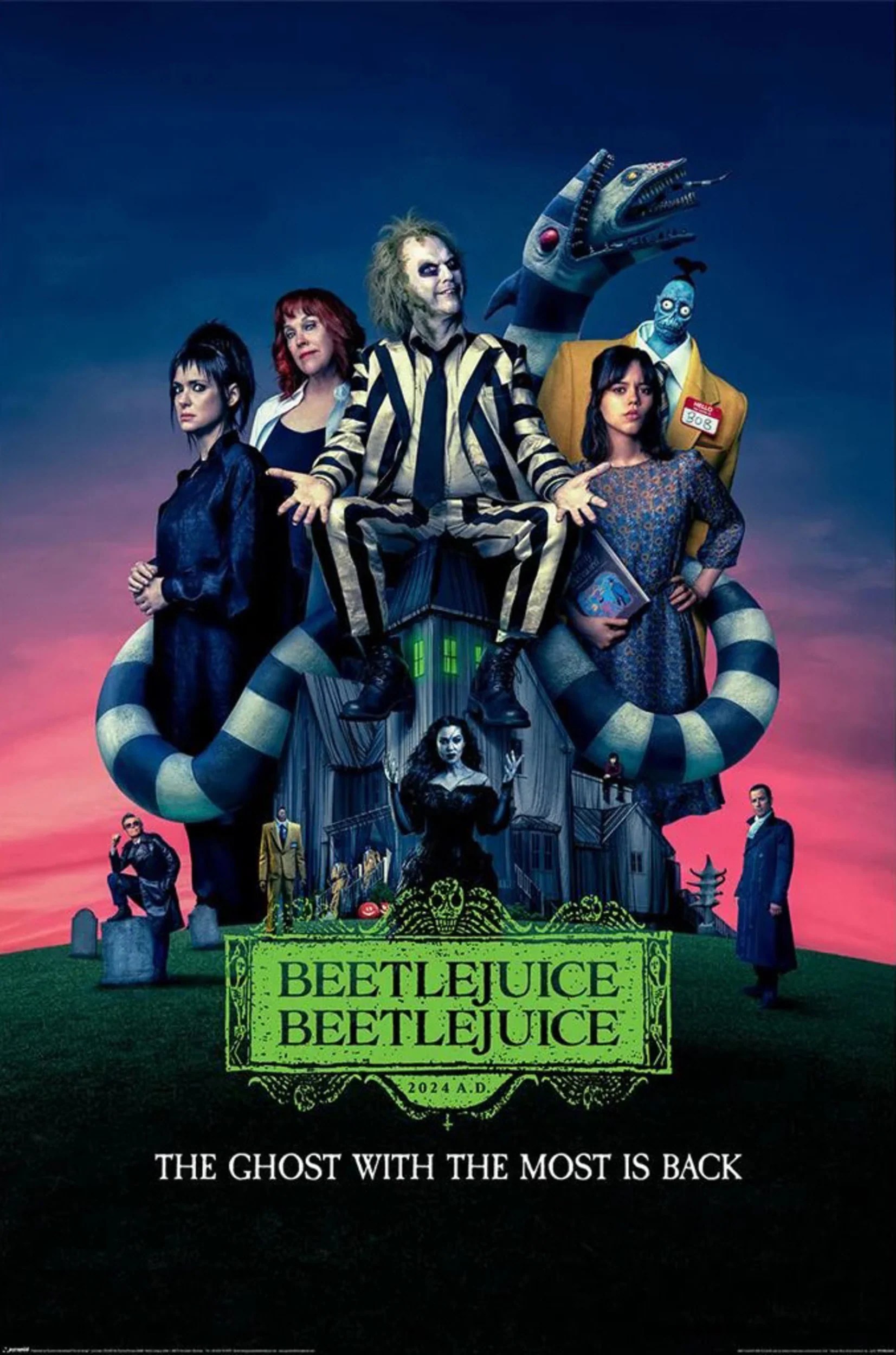
For a while there, it felt like Tim Burton forgot how to direct a clever, colorful horror-comedy, but he’s got the juice again. As legacyquels go, Beetlejuice Beetlejuice checks all the boxes: a prior protagonist’s descendant in a similar pickle, copious lampshading for absent major characters, and elevating its predecessor’s events to the realm of myth. Fortunately, all the players are game: Jenna Ortega is at her most adorkable, Winona Ryder’s Lydia Deetz remains a goth girl crush for the ages, with Catherine O’Hara as her mother still a blowhard artiste, and Willem Dafoe makes his long-overdue Burton debut as an undead cop. And at the risk of saying his name too frequently, Michael Keaton doesn’t disappoint: the actor may be over 70, but he disappears back into the title role with horny, gruesome, one-liner-addicted aplomb. The plot’s a bit hit-and-miss, if not in service of the anarchic mood then at least as an apparent result of overcooking this script for the last three decades. Monica Belluci, Franken-babe though she may be, gets little to do, while Oretega juggles subplots with both a charming boy and the loss of her father, neither of which resolve with much fanfare. Fortunately, there’s more great comedy—and music!—to pick up the slack, from a cover of “MacArthur Park” to a “Soul Train” which dives headlong into the obvious pun. Makeup and production design throughout are wonderful; I delighted especially in mixed-media flashbacks like a claymation plane crash and a black-and-white Italian interlude, as well as the darkly funny image of a house covered in a mourning shroud. Yeah, the logic of the afterlife makes no sense, but why should it? Being along for the ride was still a spooky good time.
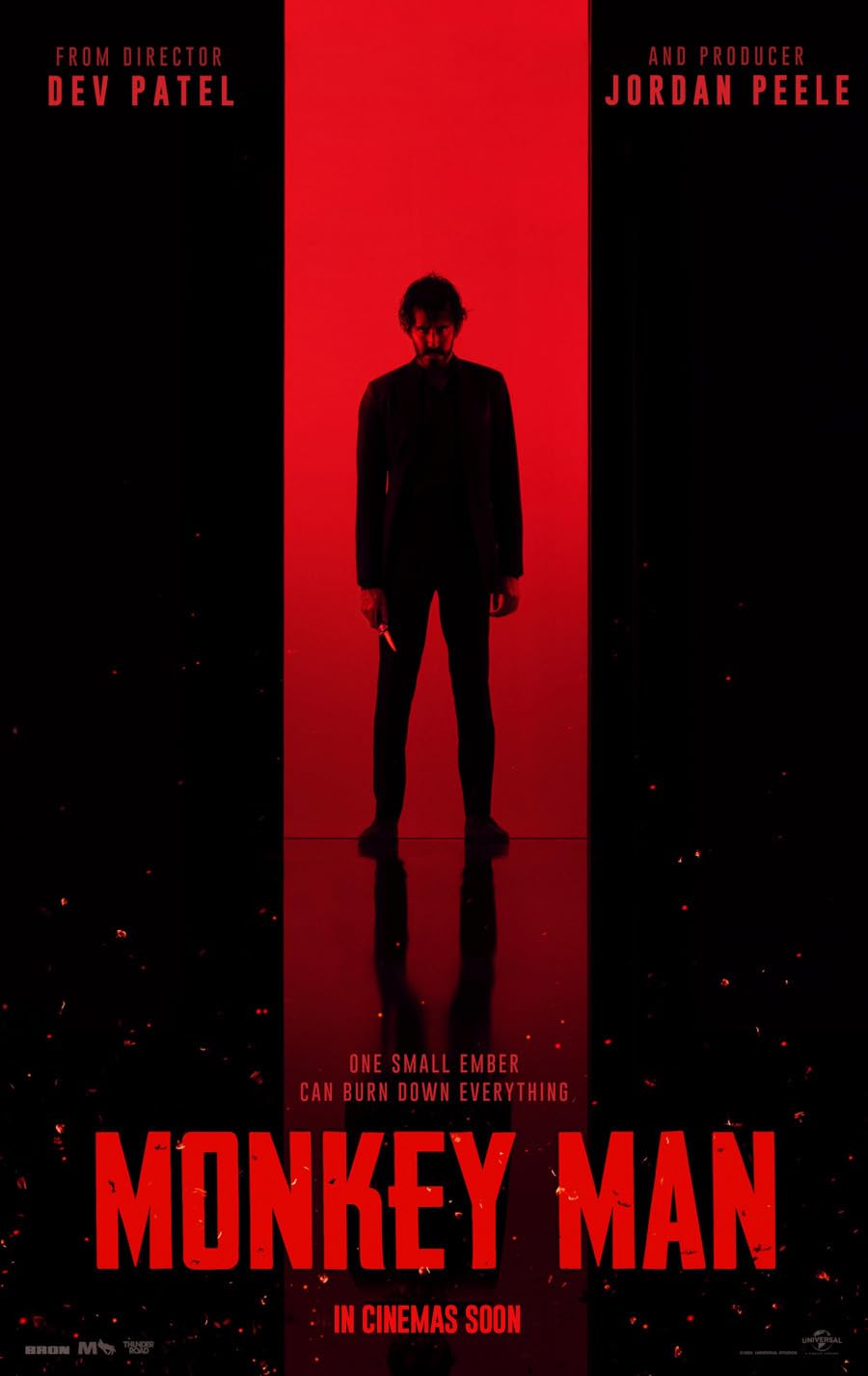
Action flicks were in fine form indeed this year, but unlike The Beekeeper, it didn’t take a veteran heavy to carry ‘em all. Case in point: Monkey Man, a brutal yet pensive, politically charged thriller starring former Slumdog Millionaire/Chappie sidekick Dev Patel. In presenting a downtrodden man who shoots, stabs, and car-chases his way through the criminals that’ve wronged him, the clearest point of comparison for Patel’s directorial debut is again John Wick—yet in all the best ways, this vengeful simian couldn’t be further from Keanu’s iconic hitter. Our hero doesn’t have street cred, gold coins, or even more than one gun—he’s an orphan from the slums, living a dual life as a bare-knuckle brawler and a waiter at an “elite” club. He’s a man on a mission, yet in making that mission not just vengeance but also justice for groups marginalized by right-wingers, Monkey Man steps out of its bloodbath with a moral resonance greater than its contemporaries. Most fights feel a little cramped, but there’s still enough head-spinning camerawork and choreography to make each appropriately frantic. It all builds to a climax among 2024’s best, where Patel literally lights up goons with fireworks before going to town with a dinner knife. An exciting score and soundtrack top it all off, from bumpin’ rap beats to a humble drummer who sets the pace during a training montage. It’s not perfect—tragic-backstory flashbacks get a touch samey, for one—but Patel still made a picture which both honors and confronts Indian culture while leaving room for red-blooded martial arts mayhem. Whether he doubles down on his badass potential or sticks with dramas, I can’t wait to see what Dev-elopments are next.
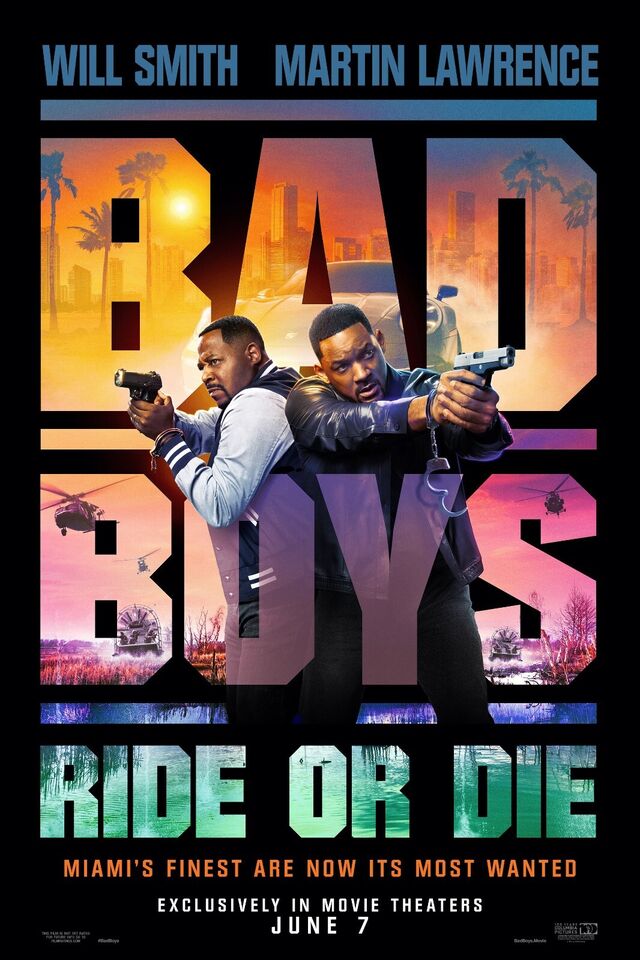
Between COVID burning their threequel’s box office and Will Smith’s post-Slap spiral, I was worried we might never see Miami’s finest again. Much to my delight, however, this year brought us Bad Boys: Ride or Die, an irresponsible, silly, yet relentlessly thrilling buddy-action flick! Mononymous duo Adil & Bilall return for another commendable homage to Aughts Michael Bay: fast cars, neon colors, beautiful women, and absurd beatdowns, just the way I like it. High-contrast Florida remains a dazzling stage, which the directors pepper with kinetic flourishes like drone shots, POV shootouts, and—surprisingly—a couple fantasy sequences. From its tropical sets to stars old enough to be my dad kicking extrajudicial ass in the name of family, and even a BBQ outro, one could write this off as Fast & Furious Lite—but Vin Diesel wishes he had half the charm Smith’s still rocking, while an R rating lets shootouts and dialogue get that much more audacious. Some of the junior “AMMO” squad is still here, but no matter, for I rejoiced at moments like a prison transport crash evocative of Uncharted and the stepson ascending from meek punchline to stone-cold killer when his home is set upon by goons. The only major flaw is, unfortunately, a load-bearing one carried over from its predecessor: the dude playing Mike’s son is a vacuous walking plot device. Look past that, the tired callbacks, and the enthusiastic copaganda, though, and you’ve still got an energetic, hilarious, and skillful return to form for the Bad Boys!
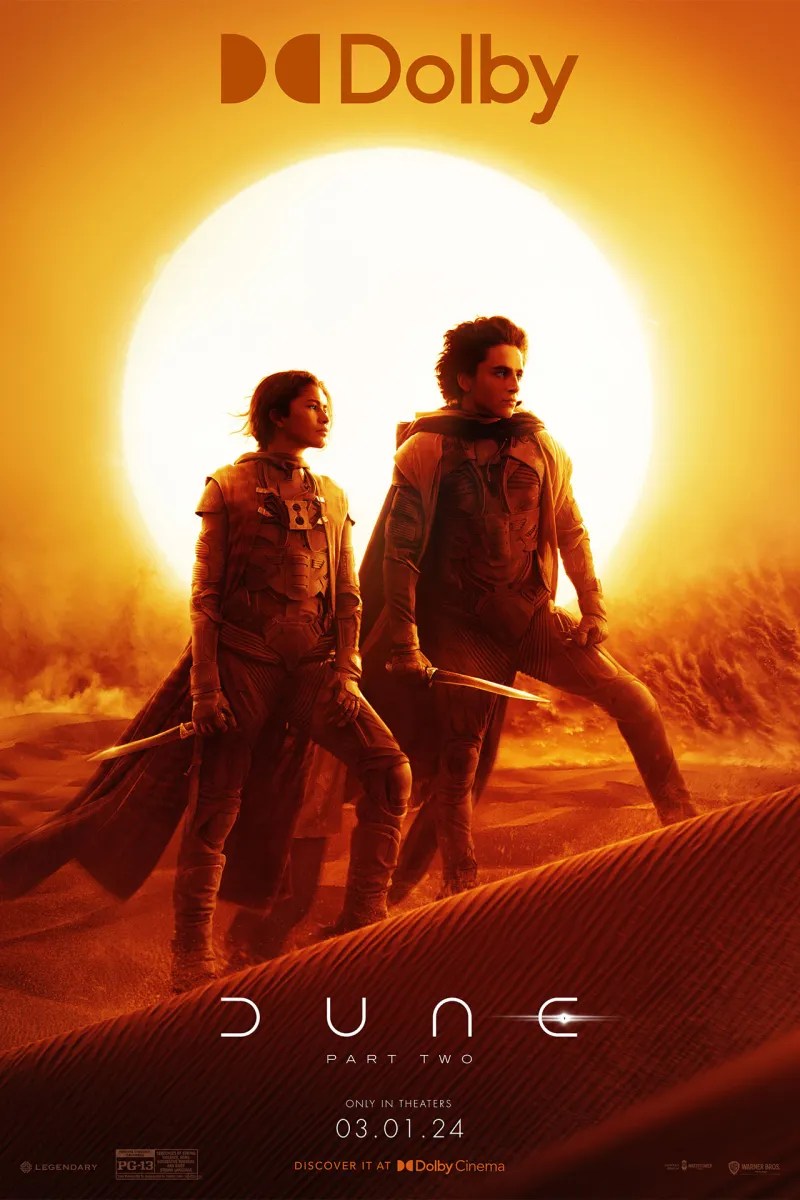
2021’s Dune ensnared the senses with director Denis Villeneuve’s new take on the oft-maladapted sci-fi novel, the first of a quiet duology. With such a strong introduction, then, perhaps it was inevitable for the follow-up to feel like a downgrade. Aside from a few cutaways to greener environs and a monochrome gladiatorial match—the standout sequence—this film is brought to you by the colors brown and gray, and I found myself intermittently confused about who was where, why, how, and for how long. Meanwhile, Hans Zimmer’s score is more often loud than memorable, while dialogue oscillates between portentous muttering and melodramatic hollering. That said, I came to Dune: Part II for that which made its predecessor, and on which it delivered in spades: spectacle. Costume and set design continue to run circles around every other major franchise, the CGI is believable and engrossing, action sequences are captivating, and we’ve got another batch of sexy weirdos with all kinds of drama: Léa Seydoux as a Bene Gesserit talent scout, Florence Pugh as a fretful royal, and Austin Butler as the baldest lunatic yet. Meanwhile, I don’t think it’s even a question that Christopher Walken got cast because of the “Weapon of Choice” video, but dang is it good to see the man back in a blockbuster as… well, the Emperor of the Universe! Yeah, when Timothée Chalamet starts putting the moves on Zendaya and yelling about ruling the planet, it doesn’t do anti-colonial critiques of the story any favors—especially with yet another cliffhanger ending. But whether it’s freedom fighters blowing up Harkonnen tech, Paul riding a sandworm for the first time, or just eye contact with Rebecca Ferguson in general, I lost track of how many times I had to fight back the urge to pump my fist in the air like a concertgoer. It’s kinda repetitive, it’s confusing, it’s three hours long, and one of the characters is a psychic fetus… but hey, when I go to see a picture shot in IMAX, it’s not for the safe and simple.
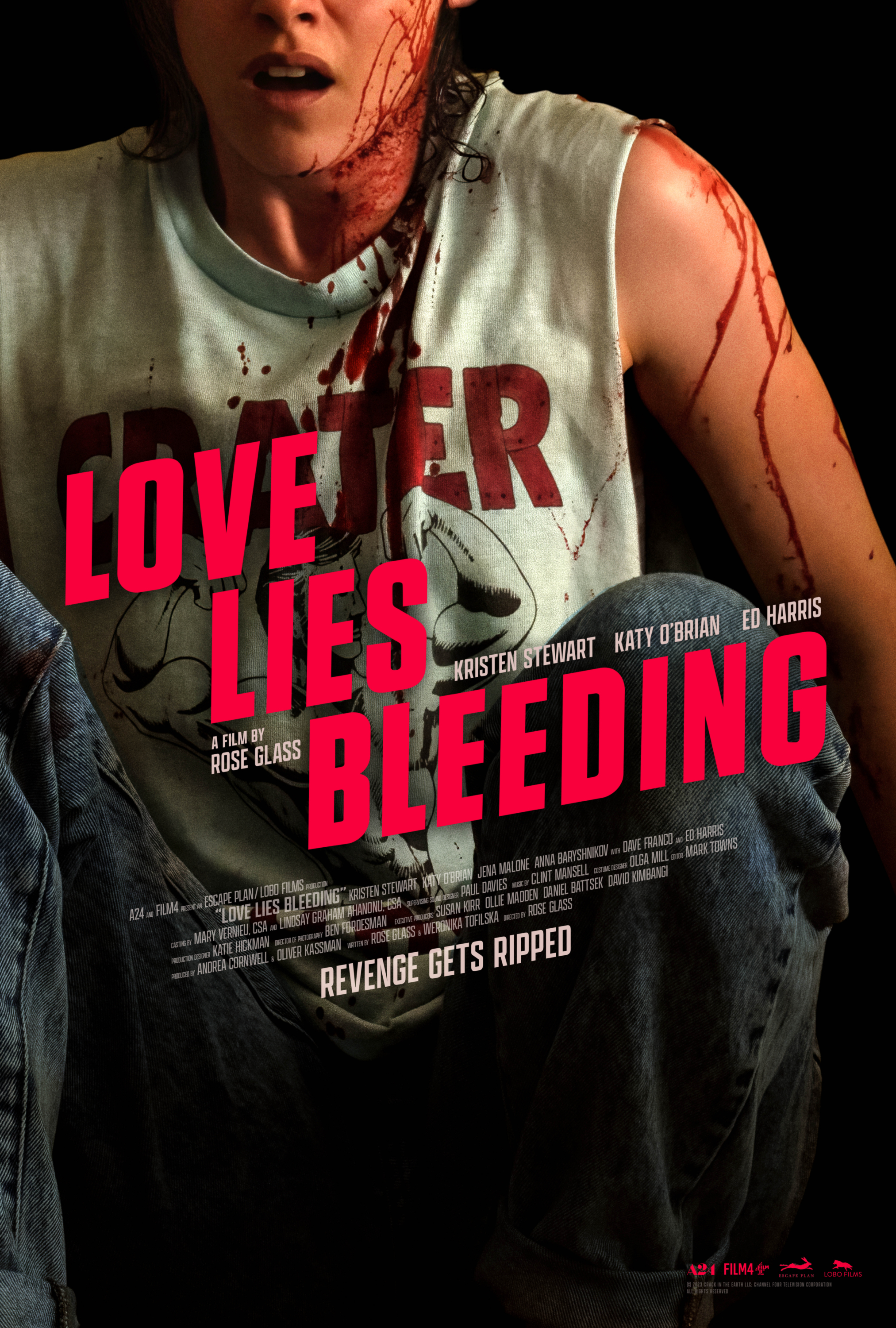
Love Lies Bleeding is a dark, delirious, and outrageously sapphic crime thriller. In pivoting from slow-burn scares to turn-of-the-90s New Mexico, Rose Glass branches out from her prior effort Saint Maud, and yet the director’s style remains omnipresent, from bursts of gnarly gore to a climax which glides on the razor’s edge between magical realism and dream sequence. The cast, while small, looms large—literally, in the case of Katy O’Brian as “Jackie,” a bisexual bodybuilder with few qualms about either ‘roids or premeditated murder. Meanwhile, Kristen Stewart plays another horny little dweeb to perfection, Dave Franco is gone not a moment too soon as an abusive husband, and Ed Harris delivers another great villain performance as a mob boss with a thing for big bugs. The score is my choice mix of period-appropriate licensed tracks and an unsettling score (the talented Clint Mansell), while sound design is replete with all manner of pops and squelches for physical acts both brutal and intimate. Sets are varied and immersive, with a borderline bottomless pit in the desert being the standout, all the more so when rendered in blood-red flashbacks. Like many films under the A24 shingle, Love Lies Bleeding is a heady mix of horror, eroticism, abrupt violence, and odd fantasy—admittedly, it sometimes feels like Glass is working backwards towards those bullet points at the expense of coherence or pacing. However familiar its broad strokes may be, though, this is the kind of sleek, provocative, adults-only mid-budget picture that I’m elated to see regain prominence in theaters!
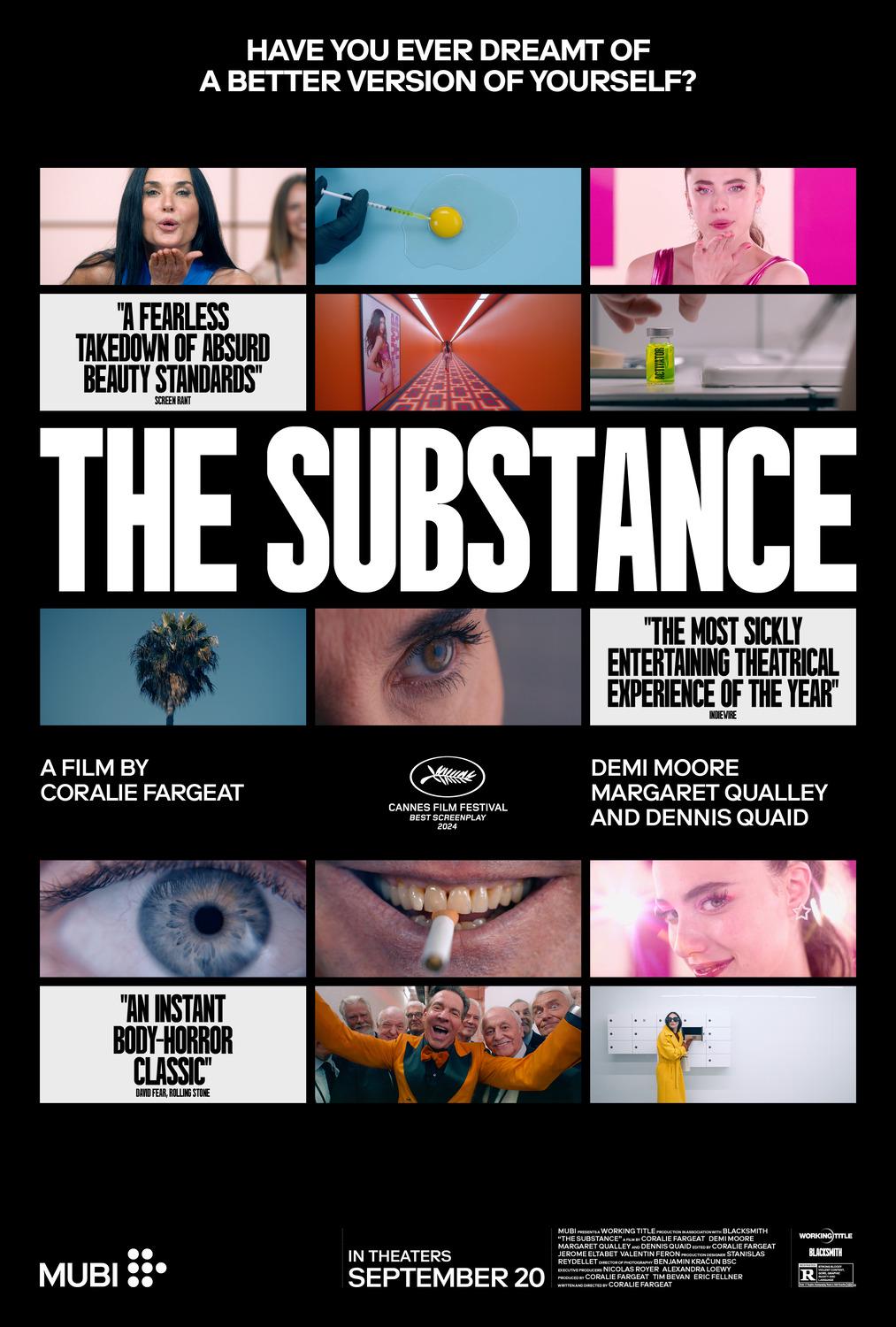
From Doctor Jekyll and Mr. Hyde to Freaky Friday, there’s a long tradition of tales where an aspirational body-swap goes bad. The latest to take a crack at it is writer-director Coralie Fargeat with The Substance, a grisly yet glitzy Hollywood horror story and the rare feminist fable that delights in buckets of gross-out practical effects! Dreams and dreamlike imagery sew long shots of Kubrickian corridors to hyperactive edits across a radiant L.A. which highlight the growing divide between our dual protagonists: Demi Moore as faded starlet “Elisabeth Sparkle” and a rarely clothed Margaret Qualley as the sensuous “Sue” birthed from her spine. When the rules of the titular injection are established early on, it’s easy to predict the tragedy to come, but one can’t be prepared for just how absurdly and grotesquely it plays out. I’m torn on the script, to that end; a lot of names are generic enough to feel like placeholders (a talk show called “The Show”), supporting performances are downright cartoonish (Dennis Quaid as a studio head/avatar of toxic masculinity), and Fargeat situates viewers in a world that’d seem to be present day yet a sexy fitness TV show is somehow a ticket to the A-List. Dated in spots or not, though, The Substance is overwhelmingly fresh: energetic, vicious, and righteously angry. It’s the progressive mashup of Resident Evil and The Nutty Professor that I never knew I needed!
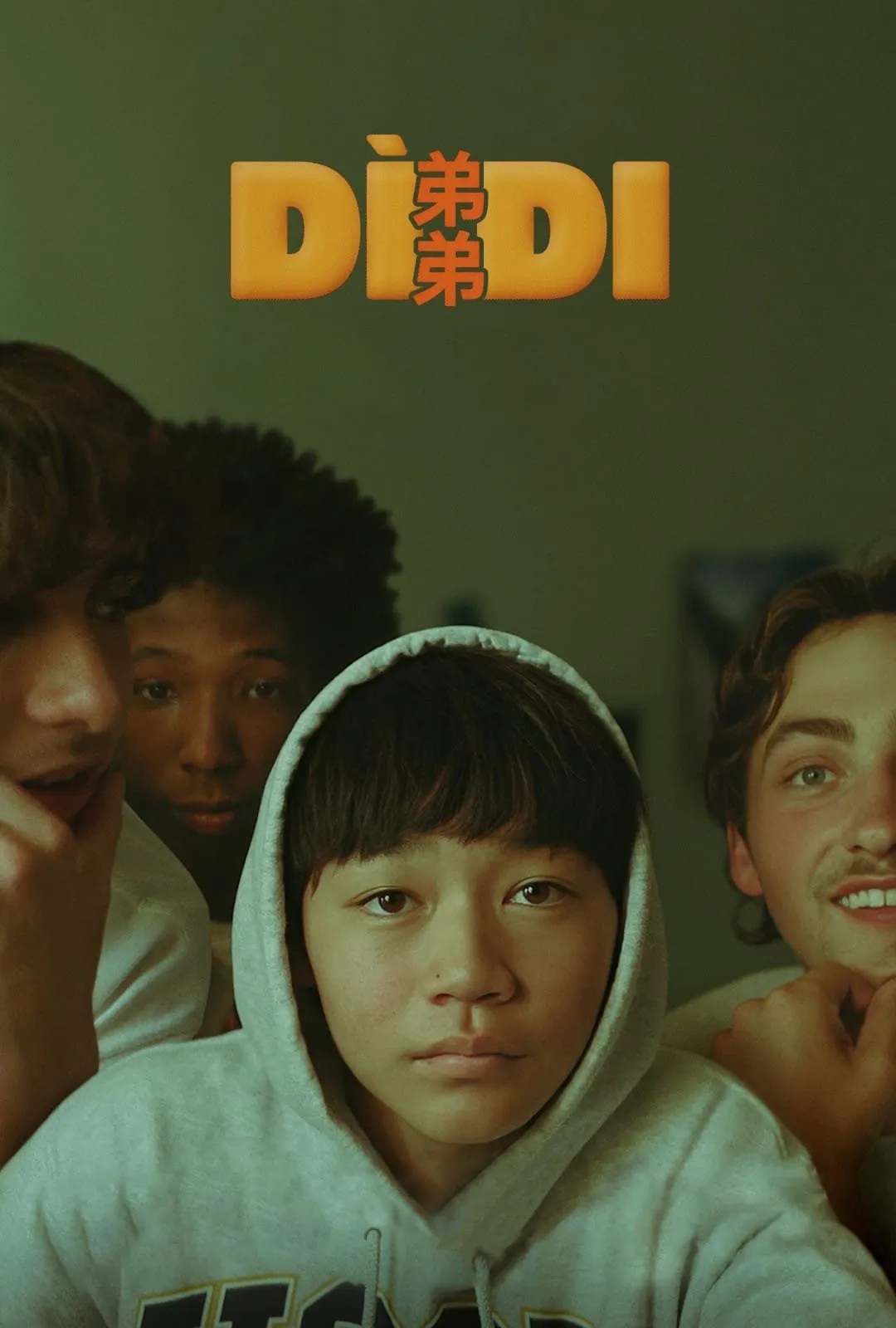
If I don’t have as much to say about writer-director-producer Sean Wang’s Dìdi despite its height on this list, maybe it’s just because I feel like I already lived it myself—the highs, the lows, and everything in-between. Late-Aughts coming-of-age pieces are finally here, and so am I for it! I may not have grown up in California or an Asian-American household, but while those elements are certainly core to the story of Dìdi, so too are the idiosyncrasies of being a teenage boy in 2008: causal homophobia among friends, skater culture, a whole Warped Tour’s worth of needle drops, and finding out the girl you’ve been DM’ing with isn’t all you hoped. The drama is grounded—conventional, even, but no less impactful for it—and like Everything Everywhere All at Once, deals in themes of intergenerational strife, regret, and the occasional comically surreal interlude, while still ending on a note of wistful hope. Props for Motion City Soundtrack dusting themselves off for that new single, too!
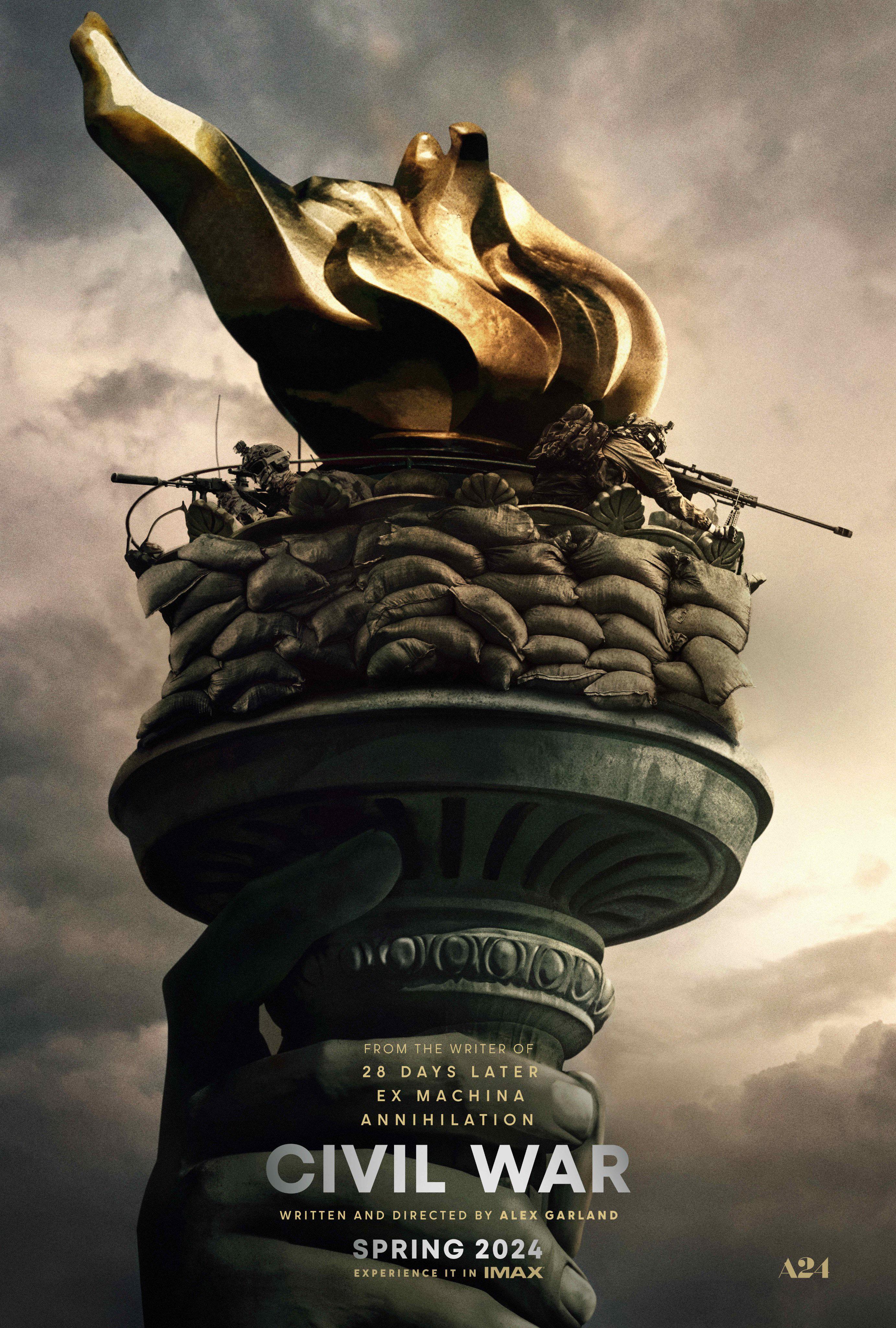
Alex Garland’s work has always compelled me, even if I don’t necessary “get” it: Men was more like Meh, but scenes in the eldritch Annihilation haunt me to date, while Devs is a crazy-underrated series in conversation with his Ex Machina about how far is too far when it comes to technological leaps. Civil War is the director’s masterstroke: a harrowing dystopian vision that’s not quite fantasy, not technically alternate history, and not even really a war picture, yet packed with all of the rich worldbuilding, biting commentary, and indelible imagery that make great speculative fiction. Following a troupe of photojournalists in near-future America as they journey from NYC to DC to interview a dictatorial President, the writer-director keeps one foot firmly in his horror roots with scenes that are, to put it bluntly, really fucked up: a man torturing an old classmate in a carwash; bodies hanging from an overpass next to “GO STEELERS” graffiti; snipers firing at someone they can’t see or hear until no one’s firing back. It’s all as subtle as a bullet to the head, but the film isn’t about Left versus Right, as it’s never made concrete why this war started and who’s even fighting for what. One could call it playing coy to not alienate audiences, but it’s all in keeping with the premise: our protagonists don’t care—can’t care, lest they lose their jobs and their minds—so neither shall the audience. Whether it’s a rifle or a camera, Kirsten Dunst as a weathered photographer or Jesse Plemons as a bone-chillingly inquisitive white nationalist, all anyone can do is point and shoot. Another film might focus on a civilian or soldier, drop a voiceover about the titular conflict, but Garland goes instead for a road trip of haunting vignettes set across a bombed-out East Coast. The cinematography, editing, and command of tension are stellar, presenting both chaotic shootouts and abandoned outdoor spaces complemented by sound design which careens between dead silence, ear-splitting gunfire, and atonal pop songs. Only time (or at least the next four years) will tell how well Civil War ages, but here in 2024, its portrait of a divided nation rang out like a gunshot.
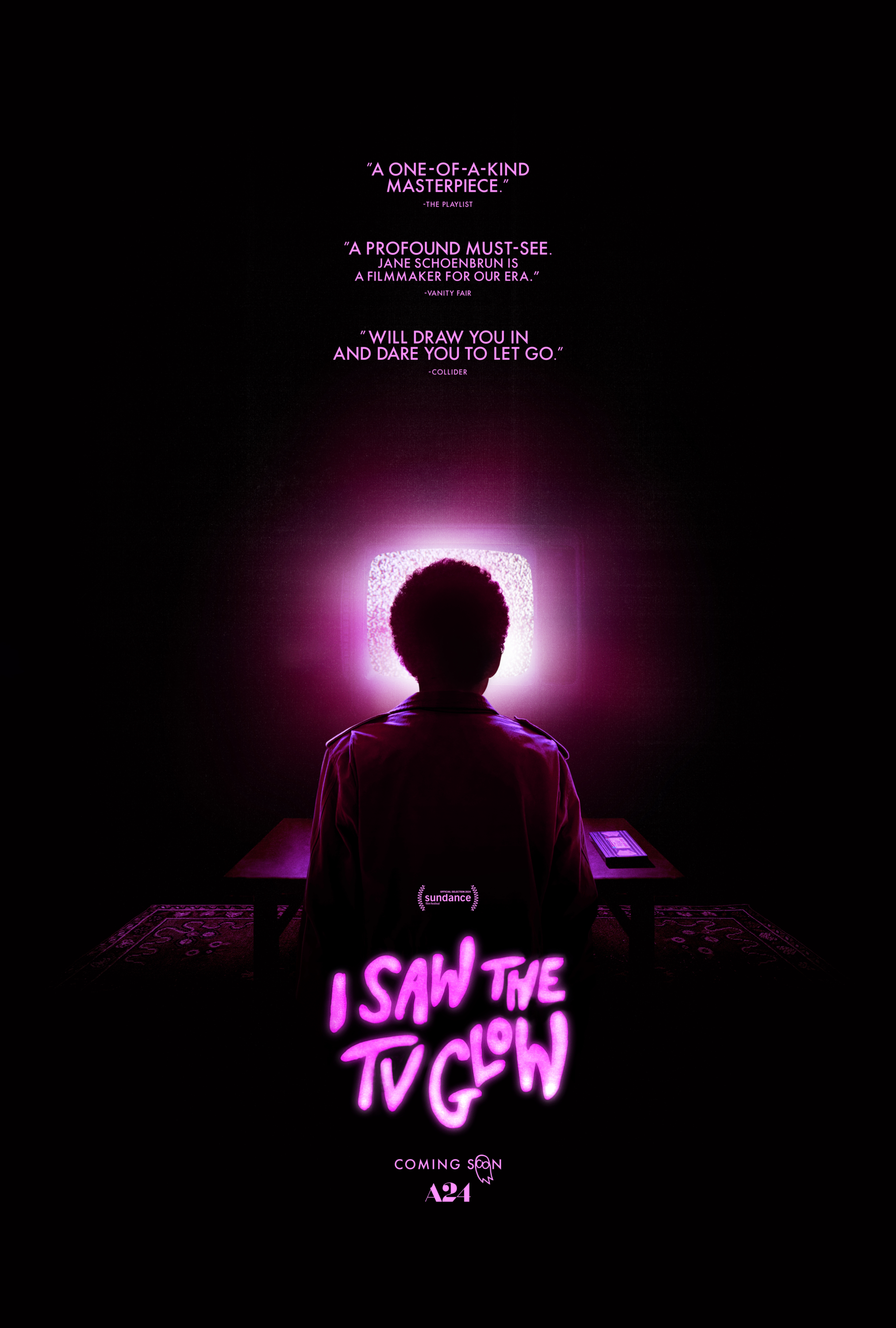
I don’t think anybody is what they want to be. Dissatisfaction is human, consciousness cursing us with the phantom pain of what could be or have been—and from it, a drive to either keep fighting or, if we’ve no one in our corner, collapse in agony. For some, however, that sense of being trapped is more literal. It’s in this limbo that I Saw the TV Glow sets its stage, and in so doing, writer-director Jane Schoenbrun presents the rare film which is horrifying and hopeful at the same time. It’s a story about stories, but not in a metafictional or self-satisfied way like many scripts; rather, it’s about the power of media to allow oneself to embrace their true identity. The queer subtext is unmistakable, but Schoenbrun speaks to anyone of their generation—Millennials and the otherwise VHS-adjacent—who’s ever wanted to be somewhere else, whether that’s another body or just another town. Scenes alternate between solemn dialogue and hypnogogic terror, while the soundtrack runs a flawless gamut of alt-rock and eerie ambiance, plus a heart-rending title theme. From fourth-wall breaks to interludes in a totally 90s supernatural TV show, The Pink Opaque, Justice Smith captivates as a teen struggling with a dysfunctional family (including Fred Durst, presaging his appearance in the far weaker Y2K) and social anxiety who stumbles into a tumultuous friendship with Brigette Lundy-Paine (whose climatic monologue should, in a just world, net an Oscar). It’s tempting to wonder if The Pink Opaque conspiracies which Lundy-Paine’s troubled fangirl spins are real, but as a bubble-bursting final act concedes, the feelings such media can stir matter more than any lore-ready singular “truth.” If things don’t make sense, if there’s no satisfying ending, if you go to bed full of regret and fear… just get up in the morning and keep searching. It’s okay. There’s still time.

TOP GAMES OF 2024

And with that, 2024 comes to a close. Not a moment too soon, many may argue, and understandably so! Wherever you live, whatever you do for a living, it often felt like there wasn’t much to get excited about, to say nothing of 2025 creeping around the bend. But with that New Year comes an occasion for hindsight, and with rose-tinted glasses equipped, I found there was actually an abundance of great games which dropped over those 366 days. I didn’t have a chance to make my way through some folks’ favorite titles, like Metaphor: ReFantazio or FFVII Rebirth, but among those I did, a select set stood out as especially exciting, addictive, or otherwise unforgettable. These are…. my Top Ten Games of 2024.

If you were to program an interactive museum of everything broken about American pop culture—obscene production budgets, gambling disguised as loot boxes, stories whose moral starts at “might” and ends at “makes right”—it’d look like Call of Duty. Having long since mutated from mere shooter franchise to something like a jingoistic Fortnite, I conscientiously objected to the last couple CODs, if not for their ethics then just for what a hassle it is to dig any given story mode out from beneath layers of launcher menus and juvenile DLC promos. But then a certain subseries reemerged from the shadows—with an unprecedented same-day Game Pass drop, no less. I don’t do multiplayer or Zombies, but for however brief a time, the campaign for Call of Duty: Black Ops 6 was my guilty pleasure of the year. The lifelike graphics, the taut controls for a suite of combat options, the reckless delirium of positioning serious real-world events alongside tinfoil-hatted sci-fi, the globetrotting level design with setpieces to rival Naughty Dog… like it or not, this is what gaming looks and plays like when the resources of the U.S. military and Activision-Blizzard combine. I wouldn’t call it art, and it’s got nothing to say about politics that might interfere with selling Nicki Minaj costumes, but if you like action media, period, then you owe it to yourself to go dark and accept this mission.

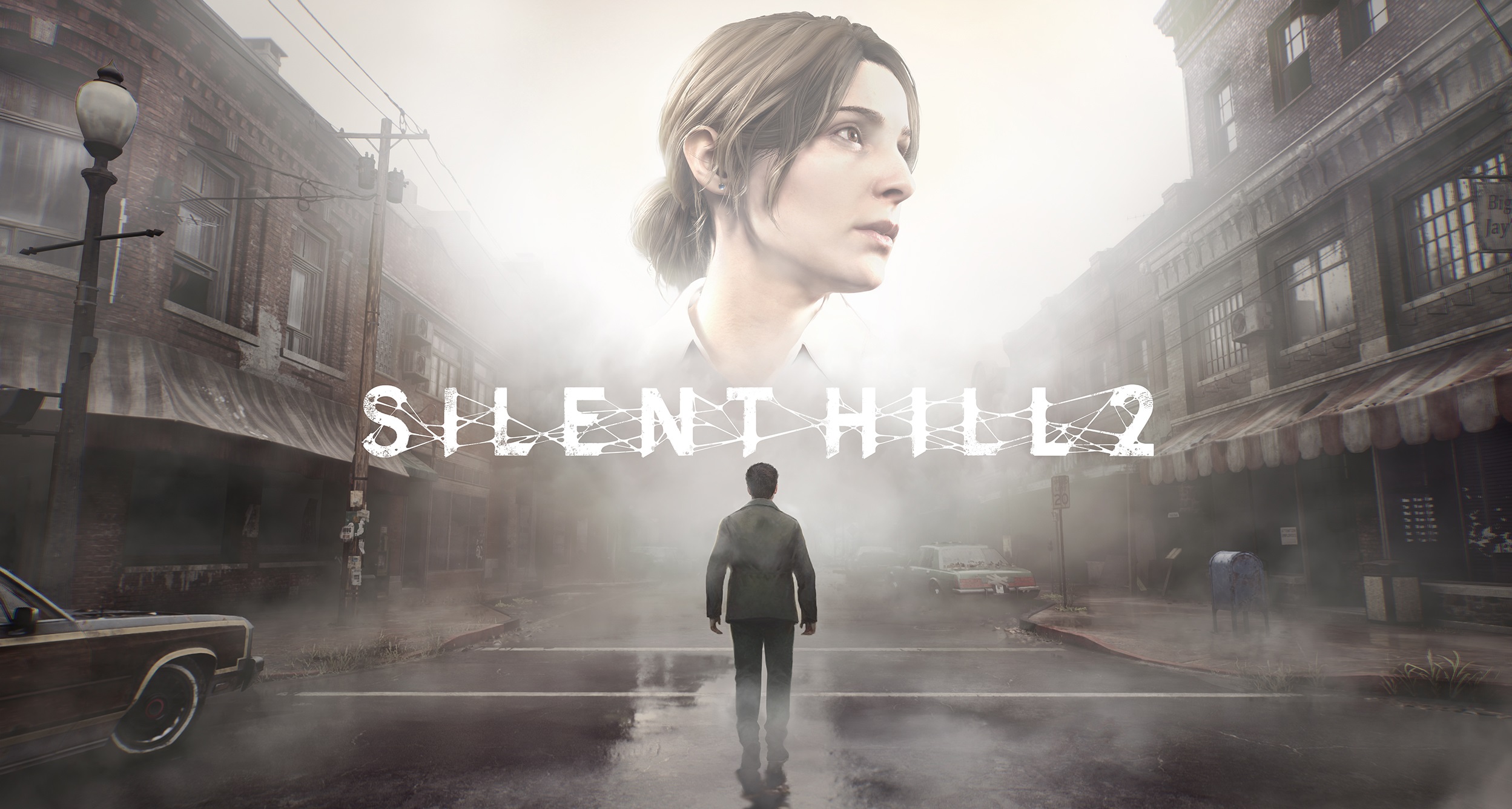
On paper (a stained note lying in an abandoned diner, one must imagine), Silent Hill 2 2024 was going to be a disaster: a remake of one of the most acclaimed titles ever, published by the company that canned a new entry to focus on pachinko and developed by a studio known for tacky rip-offs? Purists indeed scoffed, dismissing the result as too conventional, too fixated on aggro gross-out moments in lieu of the source material’s subtler, more evocative torment. I sympathize with such critiques, and yet it’s been a while since I played a horror game which had me so glued to the red-drenched screen. Calling upon the camera and graphical overhauls by which Capcom modernized Resident Evil 2 through 4, Bloober Team breathe new afterlife into the misty burg while still retaining the pathos and surrealness which distinguished the 2001 original. Combat is responsive yet appropriately haphazard, riddles are tricky yet intelligible, and while I’ve never been all in on Akira Yamaoka’s rock-meets-ambient score, the music remains a nightmarish feast for the ears. There’s just enough familiar to revel in its retooling, and just enough new to keep you on your toes. In my restless dreams, I still see… well, usually me forgetting some nonexistent task at work, but the mystery and metaphorical monsters of that town remain ever-haunting.

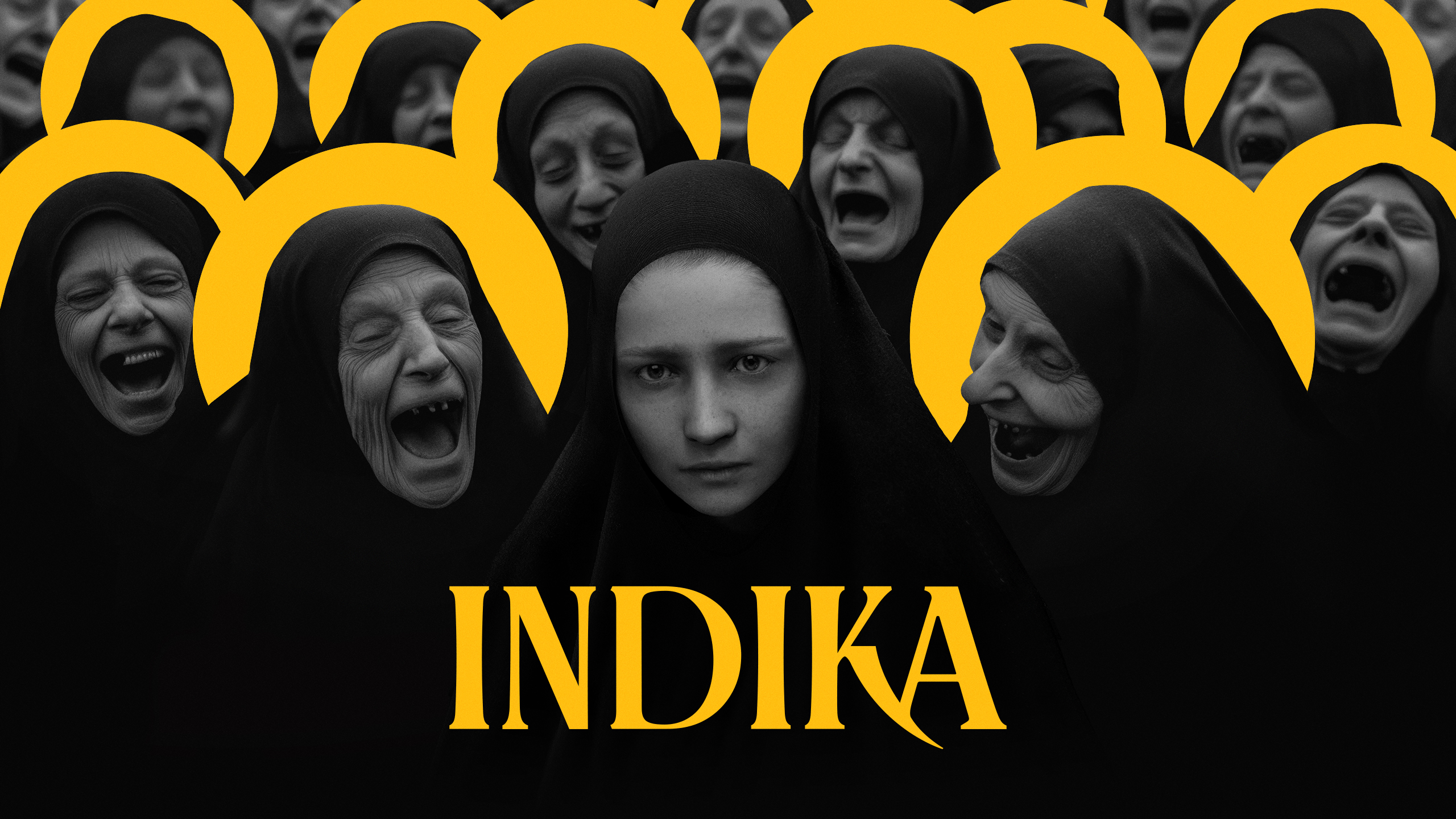
I studied Japanese for a year in college, after which I had to stop when my GPA couldn’t withstand fumbling through a new language. In so doing, I reached a point where I could look at some words and, thanks to the symbolic nature of certain kanji, understand what they meant even if I couldn’t understand what they said. In a way, I feel the same about INDIKA: I think I know what this game is about, but I’ll be damned if I can explain what happens in it. The story of an Orthodox nun booted from her convent to journey across a wartime snowscape, INDIKA whorls walking sim, retro platformer, and horror-puzzler into an experience that’s brief, bizarre, and mature in the truest sense. Grotesque impossibilities, like a factory line of whale-sized fish or our heroine praying to literally fix the world while Satan bullies her, pass by with nonchalance between sober dialogues about faith and human frailty. With an openly irrelevant “points” system and Adult Swim-style asides like a little dancing guy emerging from someone’s mouth, INDIKA’s tone is as inconsistent as its gameplay… but for the few hours it took to complete, I was a believer in its sermons.

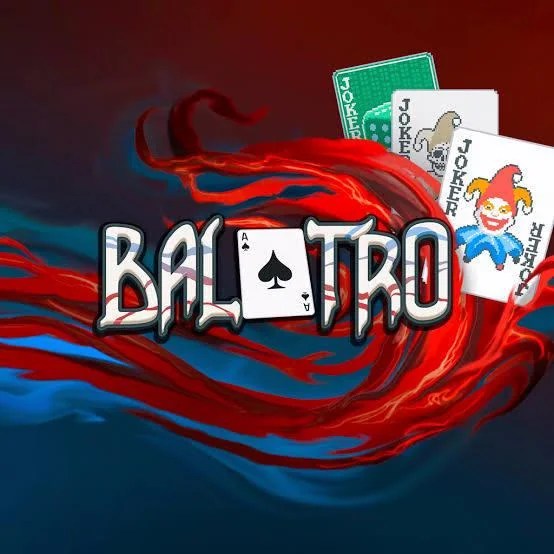
If there’s two genres I don’t care for, it’s deck-builders and roguelikes: I don’t like installing software only to pretend to move paper around, and I don’t like banging my head against a wall of randomized assets instead of traveling through a bespoke, immersive world. Consider me shocked, then—even after a whole casino’s worth of outlets heaped awards upon it—that this next entry captivated me so much, so fast, with just days left in the year. “Poker meets solitaire” may be the superficial pitch, but Balatro pulls so many tricks that a physical deck just couldn’t: in addition to your standard 52, there’s the multiplying effects of Tarot cards, Planet cards, Spectral cards, Vouchers, snazzy variants like foil and gold cards, and a whole DC Multiverse worth of Jokers, all in service of one goal: lay down the best hand possible, cash out, and then ante up. Add in a catchy main theme, nostalgic CRT-style visuals, and sound design that eggs you on like a slot machine for just one more run, and you’ve got a game that draws a line from millennia-old gambling to contemporary mobile titles, all without a single microtransaction. It may be more about serotonin than storytelling, but when the chips are down, I’m just straight flush with praise for this one.

The Metroidvania: Obtuse name notwithstanding, it’s among the most prolific of indie subgenres, where smaller studios can do a lot with a little by focusing on labyrinthine side-scrolling in lieu of photorealism. It takes pizzazz to stand out in the scene, then, but solo dev Billy Basso made a name for himself and YouTube goof Dunkey’s new publisher Bigmode this year with Animal Well. With vintage art design enlivened by dazzling lighting effects, and both literal and figurative hidden depths, Animal Well foregoes spectacle in favor of mystery and quiet revelation. Every room is either a captivating fork in the road or a chamber to be cleared by your growing arsenal of endearing tools, from a frisbee to a bouncy ball. As nods to classics like Startropics and Super Mario Bros. 2 acknowledge, Basso knows that color and wonder made the 2D era great, but unlike in the ‘90s, uniting with other players to crack every secret is far more feasible! Can’t say I’m keen to hop on a Discord to literally piece together certain Easter eggs, but the added appeal to community is just one more reason why Animal Well is, well, great.

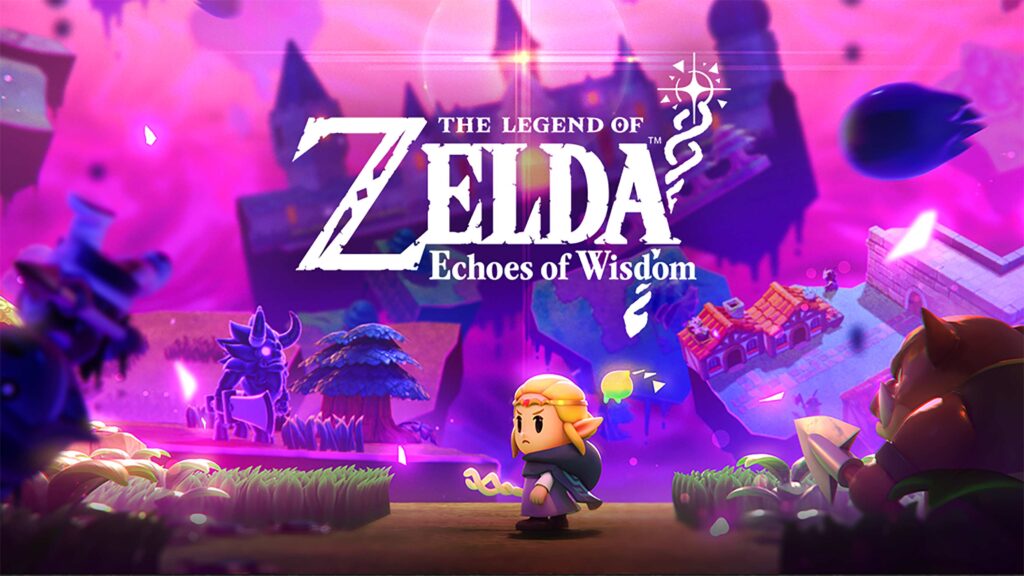
Granted, The Legend of Link doesn’t have the same ring to it, but isn’t it weird how few games set in Hyrule let you play as the character whose name is on the cover? That was until 2024, when Nintendo—fresh off of taking six years to release a Breath of the Wild expansion pack—put out The Legend of Zelda: Echoes of Wisdom! Combining the toylike style of 2019’s Link’s Awakening remake with the anything-goes summoning powers of that last installment, Echoes of Wisdom places players in the shoes of the Princess herself, who must set out with a tiny sidekick to quell the supernatural blight which has ensnared the Hero of Time and much of her land along with him. Per usual, most people and places are remixes of somewhere else in The Timeline, but combining the layout of classic Zelda with modern open-world features like fast travel and mission markers makes this iteration of the kingdom a joy to venture through. The summons menu can be a hassle to navigate, but the sheer number of ways to tackle each puzzle is a marvel of design, and means every player will have a unique journey (me, I often relied on either a staircase of beds or projectile armadillo). I’ve got great expectations for Nintendo’s next full-3D Zelda, but in the meantime, offering this cozy, creative throwback entry was a wise decision.

The Plucky Squire is just plain cute. Many have dabbled in mashing up genres and graphical styles before, but developer All Possible Futures lived up to their name in this debut, where the stars of a children’s book leap off the page after they discover their fictional nature—and the evil wizard who seeks to exploit it. In some levels, you’ll be watching top-down, swapping physical words and flipping pages to proceed like a combination of Baba is You and the home video scene from Spaceballs. In others, our hero will emerge into full 3D, hopping over stray pencils and books to trounce the foes who’ve invaded the bedroom of his biggest fan. In-between it all are hilarious minigames like a Punch-Out-esque boxing match with a badger, a rhythmic duel with a metalhead troll, and a shoot-em-up segment played out around the circumference of a plastic mug. The art design is a cheery delight, the humor is self-aware without ever growing tiresome, and the game never stops adding new, clever ways to interact with your surroundings. With Devolver Digital to rep for them, here’s hoping APF are plucked from obscurity and can produce many more wholesome adventures to come!

Yes, it’s a new game—if AAA slop like Concord can hit shelves as a standalone title only to expire faster than a prepackaged salad, then dozens of hours of engrossing new world design, lore, and battles aren’t disqualified just because they’re behind a “you must git this gud to pass” gate in their predecessor. With that out of the way, Shadow of the Erdtree is FromSoftware’s greatest follow-up content ever, literally filling huge gaps in Elden Ring by transporting Tarnished to a realm hitherto obscured, where the seeds of conflict that’d doom the Lands Between were sewn. A new leveling system centered on scattered collectibles caused some diehards to fuss, but I never minded, because as with my Top Game of 2022 on which it expands, Shadow of the Erdtree isn’t just about dying twenty times to some mournful, mutated madman—it’s about exploration, improvisation, and jolly cooperation. A coastline glittering with neon-blue flowers, an abyss clotted with giant coffins shaped like ships, the Blair Witch-grade horror of stumbling upon an abandoned mansion in the woods… every area competes with every other area as one of the most memorable in not just this game but in any game. Even if I gave up on beating Promised Consort Radahn (though we’ll see about that nerfed version), I adored the dozens more hours I sunk into setting out, sword in hand, to see what treasure or terror awaited over the crest of that hill or at the bottom of that chasm. Now more than ever, Elden Ring is just one of the greatest pieces of fantasy media ever.

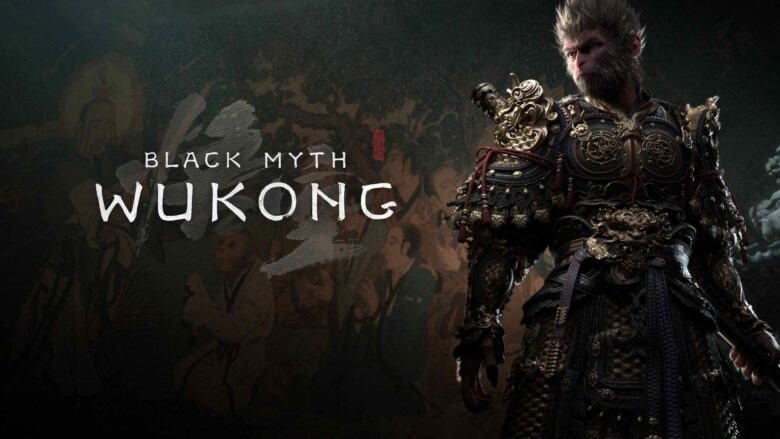
In the centuries since it was penned, Chinese novel Journey to the West has inspired innumerable epics, from Dragon Ball Z to at least one Andy Serkis side gig—even if Westerners themselves may not know it by name. Latest among these adaptions was Black Myth: Wukong, the long-brewing sophomore effort of developer Game Science, which transforms the tale into a gorgeous, high-energy Soulslike. As one does, you’ll be planning a path through gauntlets of foes and tweaking loadouts at the last rest stop after getting bodied by another relentless boss, but far from the measured, stoic brawls which define peers like Elden Ring, Wukong’s simian star yelps, swerves, and unleashes magical beatdowns with the stylish, rapid-fire brutality of Kratos or Dante. The outlandish bosses are massive in size and quantity, yet with so many alternate routes and equipment caches in even the most linear of levels, rare is a moment of boredom or despair. It’s a nice change of pace, too, from the bevy of medieval England or Feudal Japan-inspired action games for one steeped in another culture’s art and mythos… which you’ll then bash to bits with a flaming staff. As with Shadow of the Erdtree, I must confess I didn’t see credits, but no matter—Game Science has cracked the formula for a great cinematic action-RPG, and when the rumored sequel drops, I’m ready to go ape all over again.

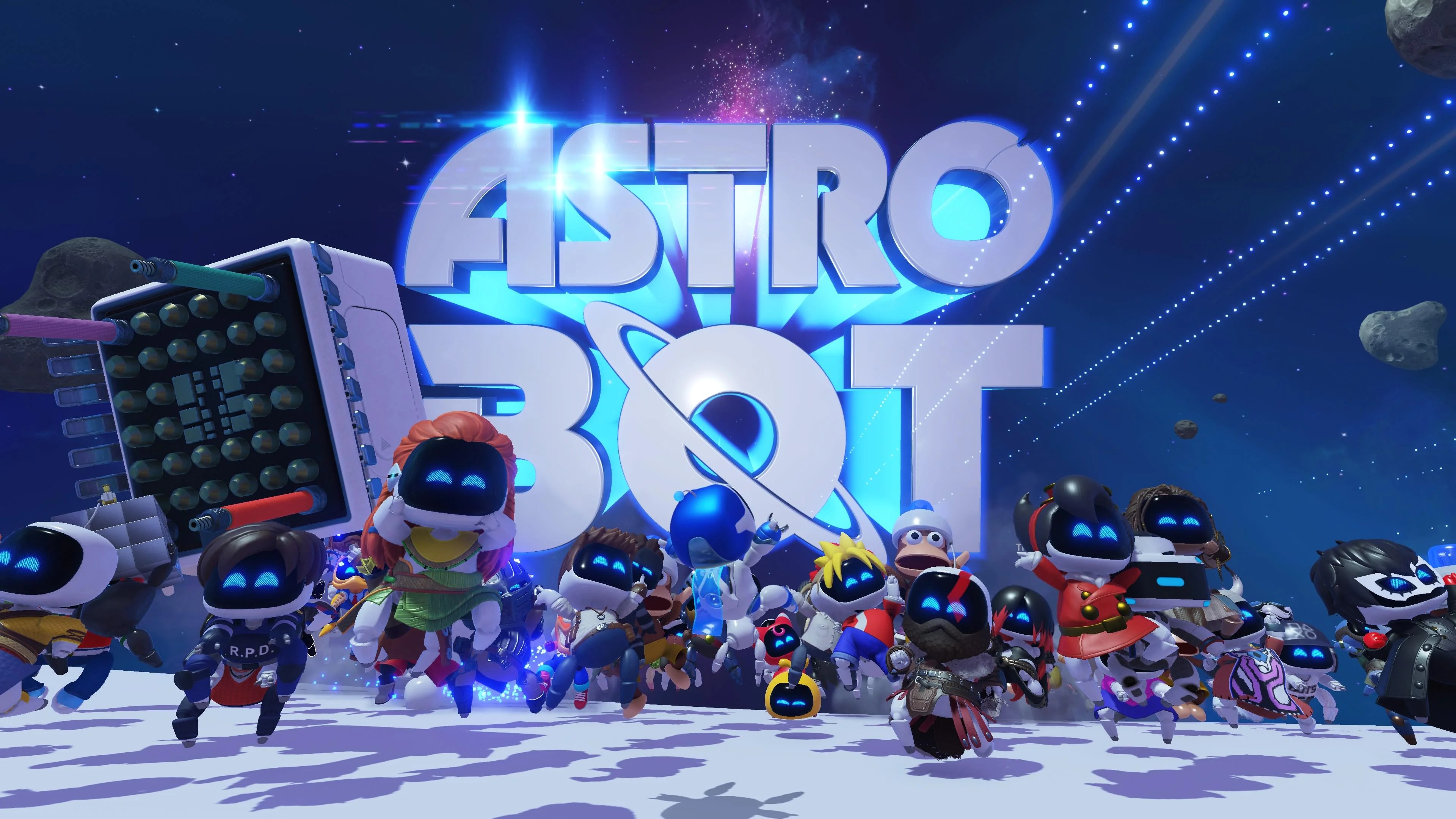
Why are we here? Why are we even doing this? Not life in general, although I think we can all agree this year often raised the question. No, I mean gaming—what’s it all about? Escapism? Exploration? Strategy? The empathy afforded by embodying someone from another country, another species, another planet? Or is it just about… fun? Not the fleeting rush of spending funny money on a new emote or hat, nor the primal release of sending a bullet through a foreign-looking opponent, but the sustained, childlike joy of navigating an environment like the playgrounds of old: shiny, inviting, full of noise and obstacles but in a way that’s invigorating, never truly painful or discouraging. To that end, the PS5 stepped off its high horse of narrative-driven prestige in 2024, and by that metric, Astro Bot could be the most fun I’ve ever had with a game. Team Asobi taps into the console’s power like never before, honoring old-school platformers while also not letting a second pass without something to make the DualShock rumble, jingle, or veer in your hands. There’s always a cool trinket to uncover, always a grin-inducing gimmick to a given level that’ll make you eager to come back again—no trouble at all, given how fast everything loads and how beautiful everything looks. True, it’s also a parade of PlayStation IP that pats the brand on its back harder than a choking victim, but with as much as I’ve enjoyed Super Smash Bros. over the decades, I’d be a hypocrite to deduct points for self-congratulation. In fact, after experiencing so much awe and merriment in a single package, my bar for the next Mario game has been raised rocketship-high. It’s silly, thrilling, charming, challenging, and full of nods to us Millennials who’ve been gaming since the 1900s. When I turn on the TV and sit down on the couch, that’s what I’m here for. What about you?

TOP MUSIC OF 2024

I like music — my artists of choice are rarely high art, and often either super-mainstream or trivially niche, but I think it’s the most efficient form of storytelling, and for that I’ll forever treasure the medium. As a sailor man who’s going into public domain next year once said, I yam what I yam! With that in mind, here’s my top ten albums and singles of 2024:

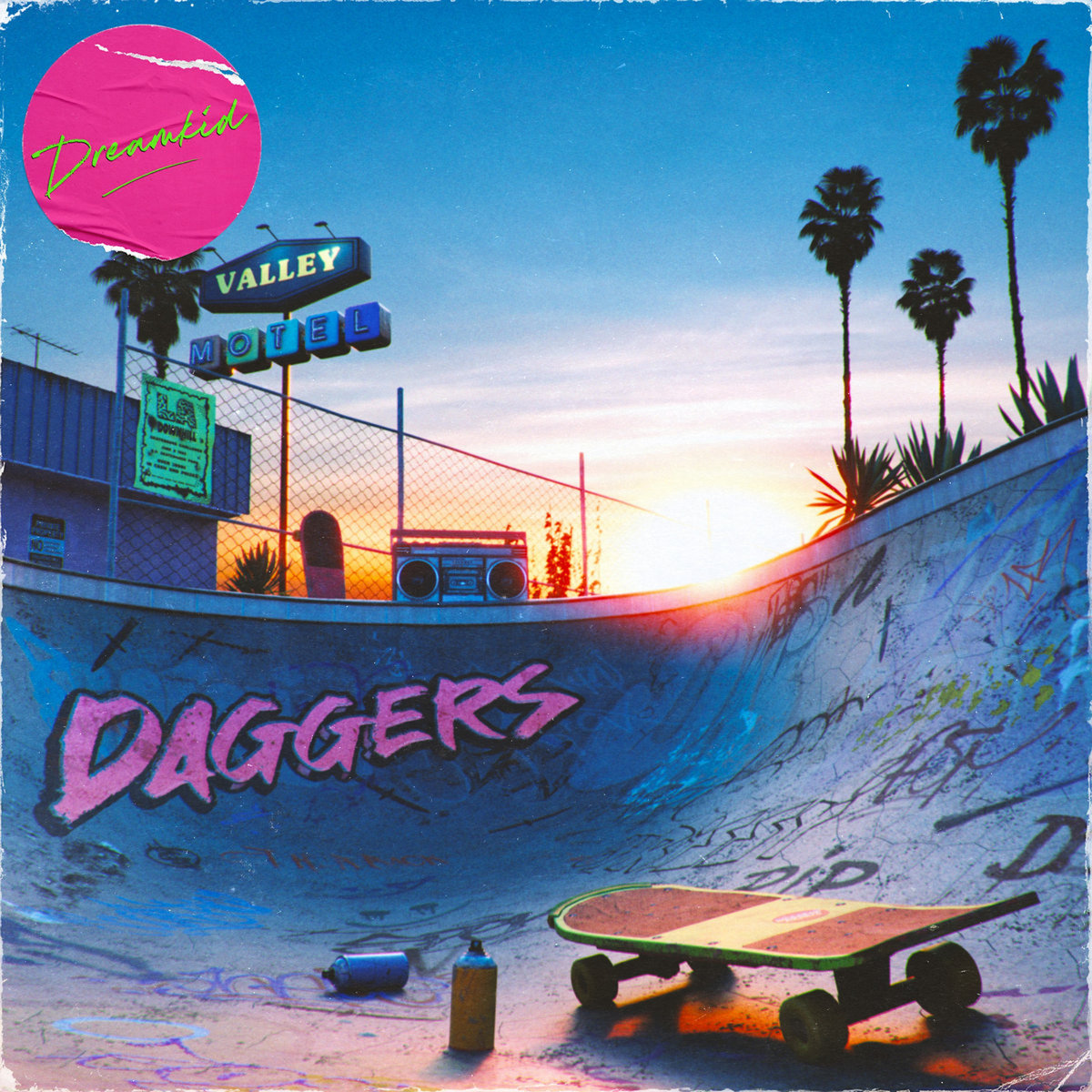
This year, I started writing my first fantasy novel, Neon Bonfire. The story takes place in a world akin to 1980s America but completely uncoupled from our reality, like how typical fantasy occupies medieval-era trappings—think Game of Thrones, but with tape decks and blocky phones alongside the magic and monsters. As with all creative projects, I made a semi-official playlist, the predominant genre being synthwave—and the main theme being the propulsive, defiant title track from Dreamkid’s latest LP. As in their debut, the artist’s palette paints in familiar tones of Day-Glo, static, and melancholy, but once you’ve heard wistful, glittering numbers like “Take Me on Tonight” or “Hometown Memories,” driving home while the sun sets will never quite hit the same again.

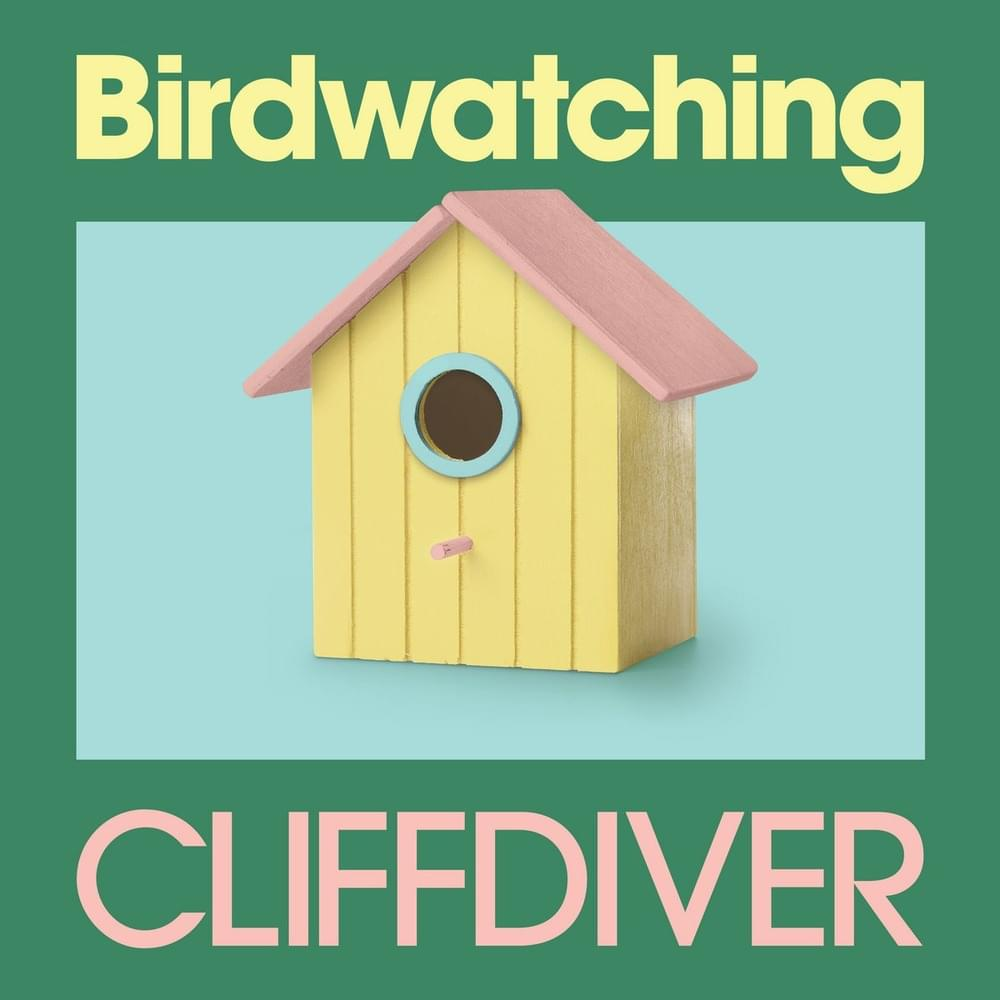
Art is both contagion and medium: Without spreading, it can’t thrive. It’s in that spirit that I have a friend to thank for knowing about CLIFFDIVER, as hearing them belt out “New Vegas Bomb” at a karaoke night in 2023 put the goofy group on my radar. While the rest of their last record, Exercise Your Demons, was just serviceable for this critic, 2024’s Birdwatching won me over with its high spirits, irreverent song titles (see “black lodge breakfast burrito (limited time only)”), and ever-more identifiable passages about being a dork in your mid-thirties. “Team fight tactics” in particular is relationship goals—and I don’t even watch football!

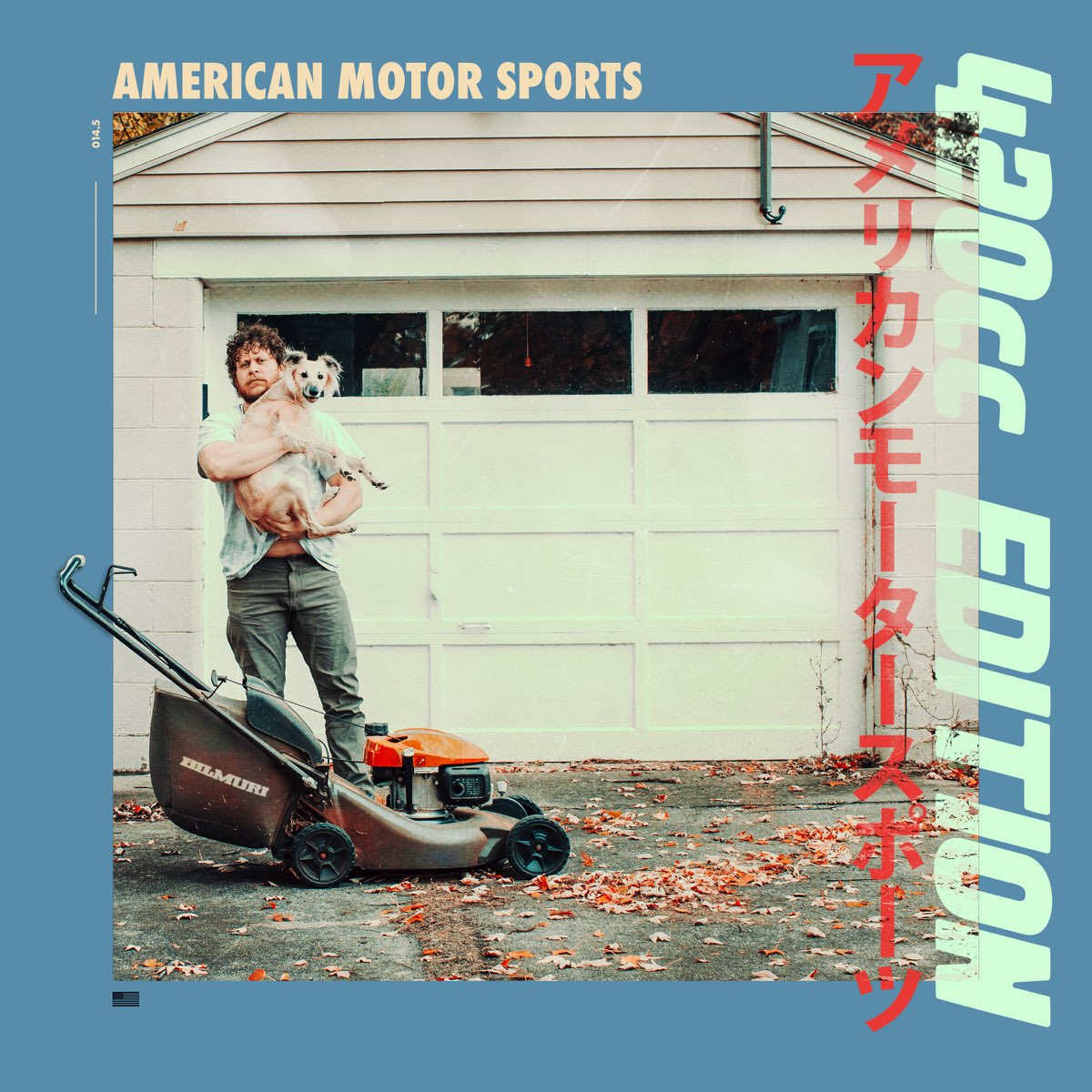
Speaking of musicians introduced to me by a loopy single at karaoke! Even after knowing about them for at least a year—and seeing a live performance at The Showbox in Seattle—I still don’t know how to describe this tongue-in-cheek lunk’s punk-meets-Nashville-meets-comedy niche. “Y’allternative”? “Divorced dad rock”? “Memecore”? Whatever the subgenre, the result is cuts like “EMPTYHANDED,” where our singer bemoans a one-sided relationship before agitated guitars pause en route to the breakdown for a Kevin James sample. If the Hot Topic crowd are to age into country fans the same as our forefathers, I could think of no better entry point than the beer-chugging, lawnmowing stylings of Bilmuri.

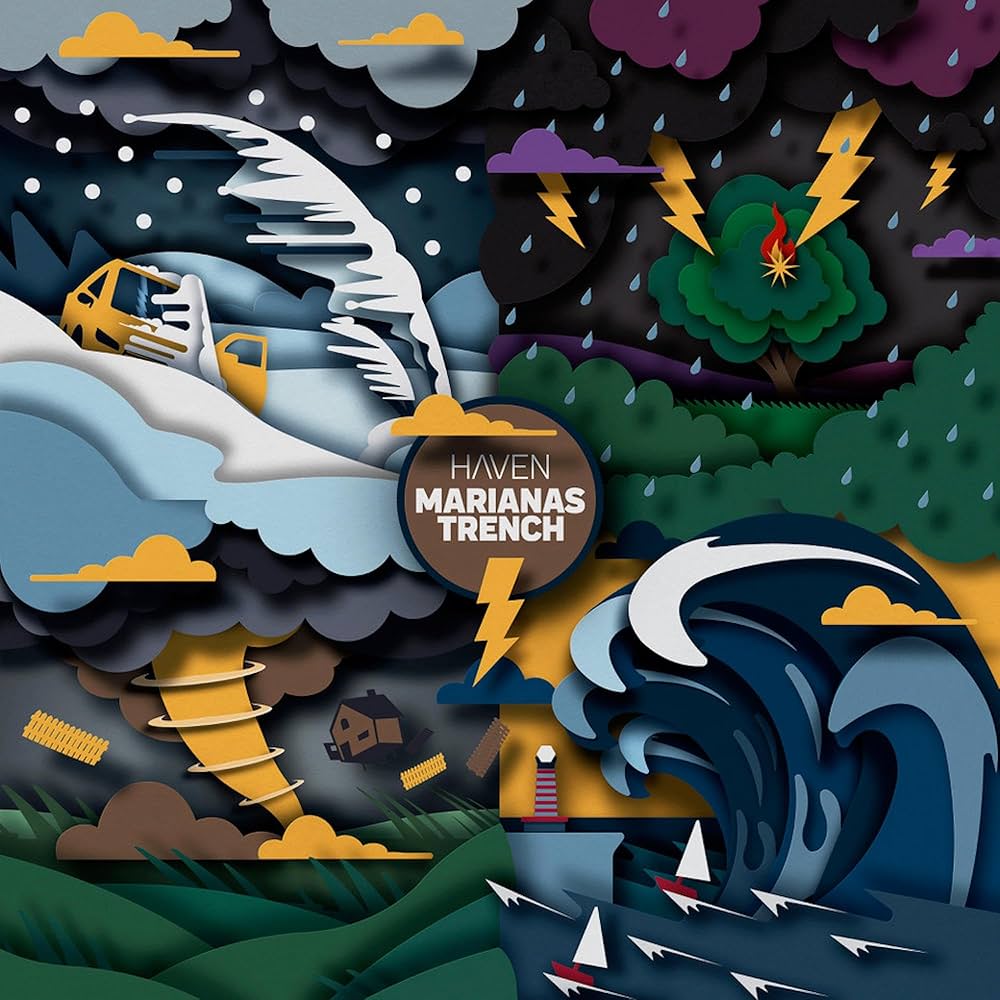
The rules are simple: A new Marianas Trench record comes out, I put it on this list in a second and make it my personality for a month. Once more game for a concept album befitting their roof-raising sound, Haven sees the Canuck quartet soar across thirteen tracks inspired by The Hero’s Journey, the duality of man, and—as their “Force of Nature Tour” (a proud attendee!) foregrounded—the elements themselves. “Lightning and Thunder,” “Now or Never,” “Stand and Fight,” “Turn and Run”… one could get déjà vu scrolling down the track list, but as ever, the band bounces between new wave, funk, and suites befitting a Broadway stage with a verve which flaunts the influences worn on their bedazzled sleeves yet nevertheless drowns out most contemporaries. In a year where I finally made peace with my place in the world, lithe and loud lead Josh Ramsay shouted it best: “In the end, I don’t belong inside a normal life!”

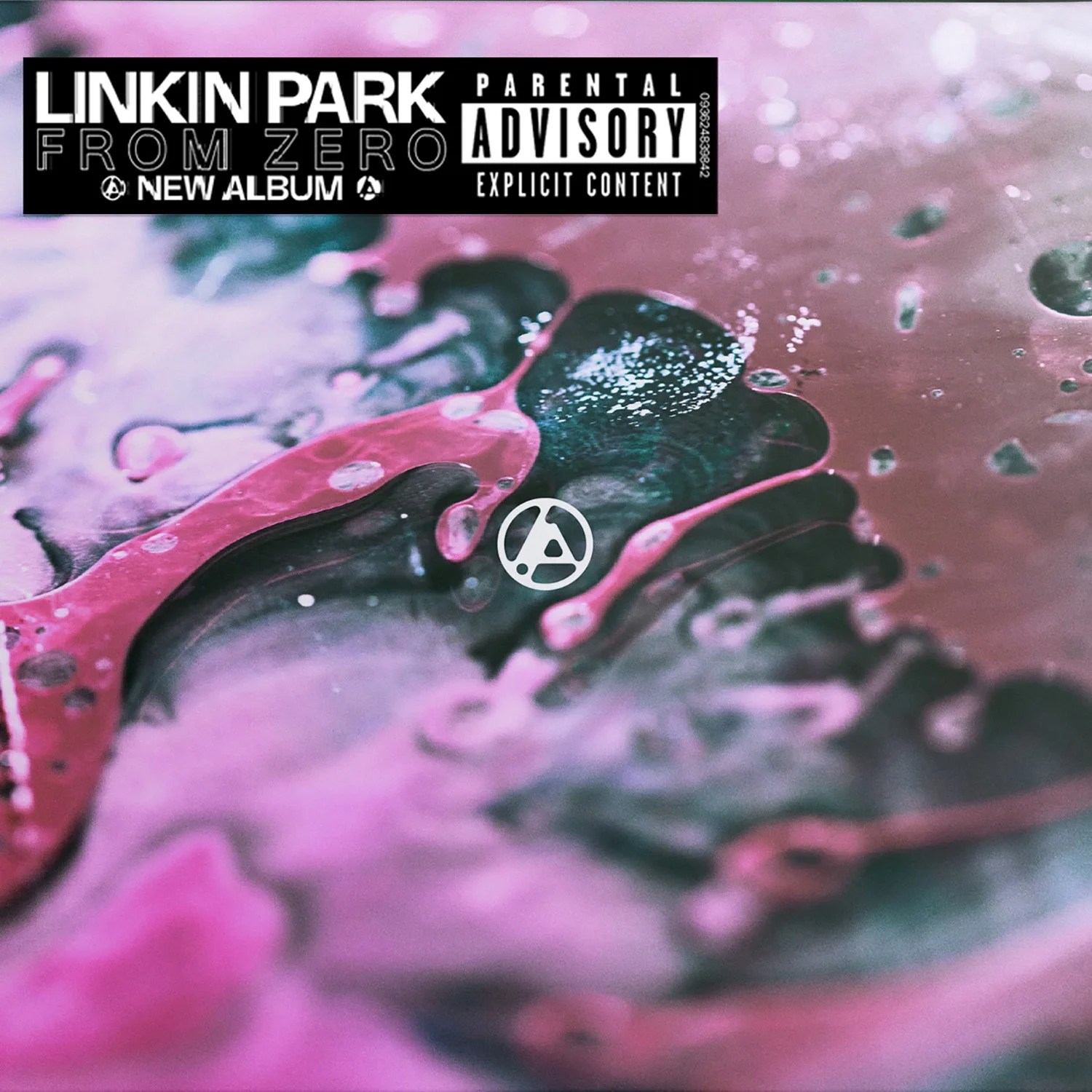
Chester Bennington. The name hovered over another Linkin Park project ever since the iconic singer tragically passed in 2017. Initial reactions to the appointment of Emily Armstrong were thus mixed: A woman! Scientology-adjacent! Who asked the family!? But the show must go on, and From Zero is an album which, while perhaps slight, still taps into the group’s trademark ire with a relish not seen in years. Gone are the club-friendly compositions of preceding records, replaced with returns to form like “The Emptiness Machine,” in which Mike Shinoda spits fire which continues to burn for nine more tracks, and “Two Faced,” where Armstrong scorns a deceitful opponent with eardrum-splitting intensity. Maybe I’m just an easy mark for rocker chicks, but while my sympathies go out to the Benningtons, I can’t wait to see what LP L.P. puts out next

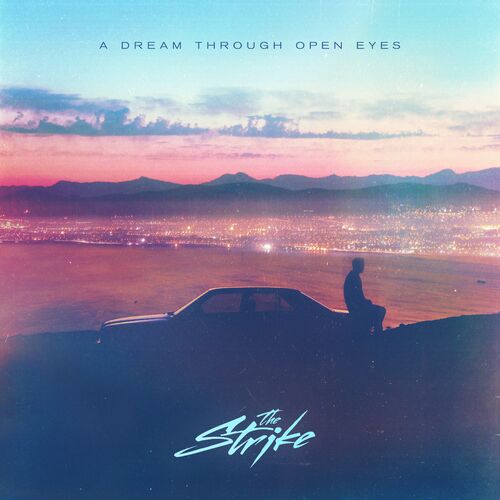
Rock outfits founded on ‘80s appreciation are a booming business, but there’s a fine line between those who paint a new picture with the era’s vibes and those content to just, say, paraphrase Huey Lewis & The News. It’s my pleasure to report that The Strike plants a flag in the former category, and I got outta some serious funks this year for it. From the jubilant “American Dream” to plaintive closer “Until the Lights Go Out,” and reckless ballad “The Getaway” in-between, A Dream Through Open Eyes is just that: the sound of days gone by, yes, but in service of aspiration and love. Headed into 2025, we could use a whole lot of both.

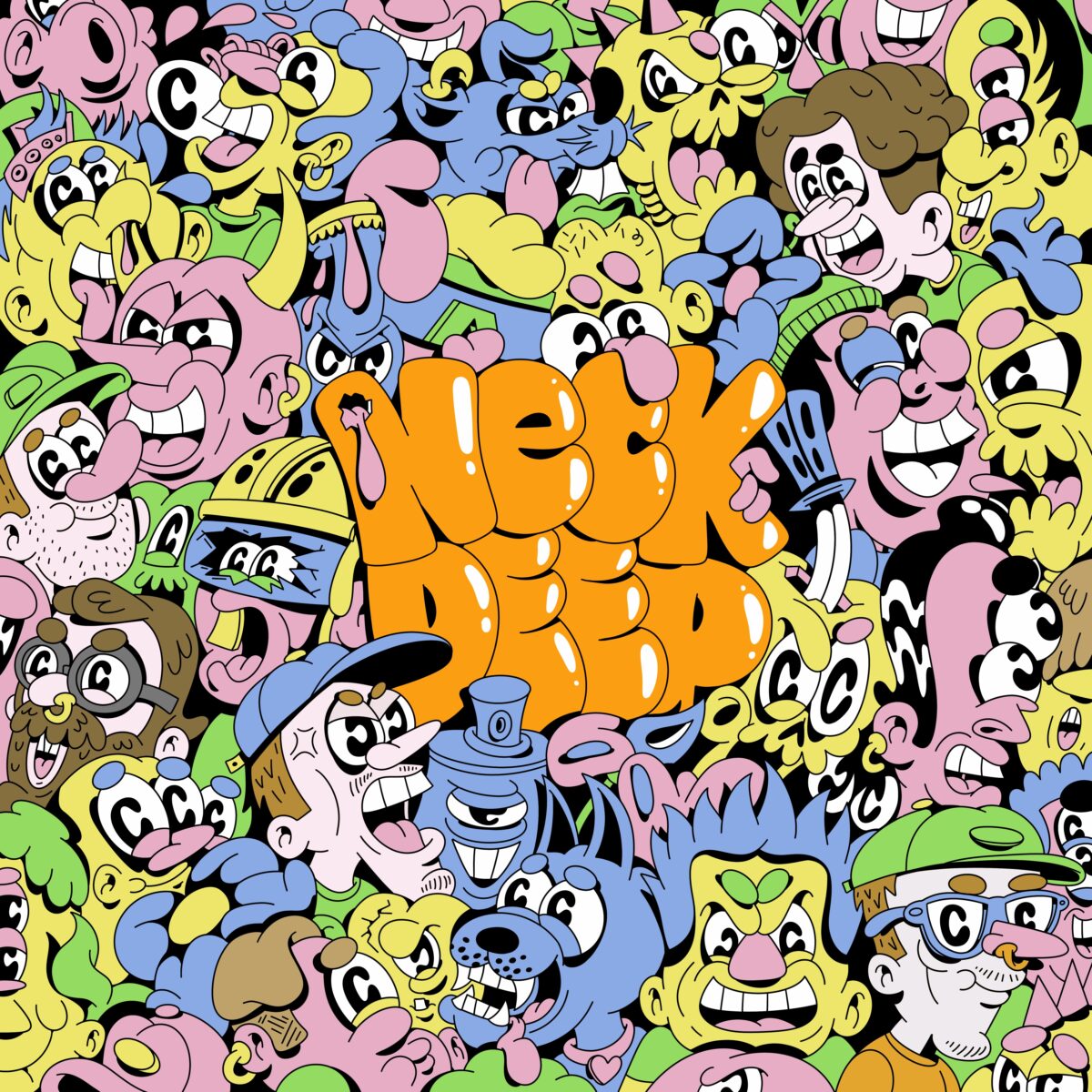
As it was with The Maine in 2023, so shall it be with Neck Deep in 2024: a belated self-titled which confirms that, oh yeah, this is what this band is about and why I dig them. The Welsh pop-punkers allow for zero skips, to the point that it’s a struggle to not just go full Fantano and break down every track. Self-deprecating opener “Dumbstruck Dumbfuck,” political call to action “We Need More Bricks,” post-dumping paen “Heartbreak of the Century,” even Mulder-mode “Take Me with You” from last year’s Top Singles list—it’s all good, it’s all fun, it’s all a mood. It’s been a long, lonely December, but with Neck Deep on the aux and in my soul, I’m never really alone.

If music can be a form of therapy for the musician, then Bring Me The Horizon has been controversial frontman Olli Sykes’ appointment for some time now—the stage his couch, the audience his doctor. Fortunately, BMTH go big yet go dorky, so while tracks like “Kool-Aid” are kinda just a retread of the cult commentary from 2019’s “MANTRA,” we also get the irreverently titled screed “Top 10 staTues tHat CriEd bloOd,” despondent tantrum “n/A,” and a home at last for the most a song has ever sounded like a 1-800-273-8255 call, “LosT.” Here’s hoping Sykes keeps it together enough to finish off this gaming-influenced chapter of the band’s saga, but while I sympathize with folks who see “POST HUMAN” as a glorified mixtape series, I know no better way to encapsulate the fevered dissonance of mental unwellness than an hour of screaming, snark, and asides about wanting to make love to a chainsaw.

Look what she made me do. For four album cycles in a row now, Taylor Swift has entered my Top Five—but for the first time, I have no reservations. I identify as a writer, and having penned poems since I was at least six years old, a poet in turn. As such, framing her first bona fide double LP as an assemblage of intimate, long-winded verses is the closest I’ve come to seeing America’s sweetheart validate my own approach to the medium. Yes, some anecdotes are cringe (“you take my ring off my middle finger and put on the one people put wedding rings on”— hey Taylor, you mean… the ring finger?), but I can only envy the clout it takes to trauma-dump for 30+ tracks to a fanbase larger than some countries and walk away all the bigger for it. The title track paints a searing portrait of a fractured relationship, “Who’s Afraid of Little Old Me?” embraces the starlet’s drama-queen history with scream-queen zeal, and “I Can Do it with a Broken Heart” makes radio-ready pep of weathering industry pressure. Pending how things pan out with Travis, it’s anyone’s guess what the next phase of Ms. Swift’s career will be… but if she’s ever in town, I’m happy to become a liner note.

I don’t make music. I’ve always wanted to, I can, and I should, but I don’t. Even if I never do, though, I’ll rest easy knowing the music I’d want to make was already made by VOILÀ. Fashioning themselves not as singers or even artists but rather “magicians,” Gus Ross and Luke Eisner blend the dissonant sounds of my coming-of-age—emo and sensual electro-pop—into a package that made me kick myself for not clocking them upon their 2019 emergence. A feature by The Ready Set led me to the first act of Glass Half Empty, upon which I relished their back catalogue full of bangers like scene girl ode “My Type” and the flagrantly erotic “So Hot That it Hurts,” but it was the belated joinder of this album’s back half that made me decide my recency bias was justified. I like clever, I like cacophonous, and I like knowing that someone else feels as deeply as I do about the heart and hereafter. “Hope That I Go First” says the quiet part oh-so loud in treasuring an aging partner, “WAR.” unapologetically equates infatuation with the masculine urge to do battle, and when “The Treasure (6 Feet Under)” caps a career fixation on memento mori with a reprise of lyrics past, I knew I was in the hands of connoisseurs of the craft. In enjoying this debonair duo, my glass is not just half full—it runneth over.

Yep, these guys are still around… but so am I, here to treasure wry, baroque ruminations on culture and the human condition the same as I did in high school!

While One More Time was too nostalgia-mongering and, well, mixed like crap to earn space on my 2023 list, the industry-standard second wind of tracks dropped this year made for a pleasant surprise—this B-side in particular. Tom’s autumnal laments may ring like inside baseball, but as an outsider, the sentiment remains relatable: so hey, fuck me, and fuck you too.

I’m serious as a stroke when I say that this anonymous YouTuber doing obscene gangsta rap in the AI-enabled voices of SpongeBob characters is my favorite new find of the year.

Personally, I’d never have chosen to combine dialogue from The Other Guys with emo grievances, but whoever’s behind this Washington-based project with only two singles to their name still has me among their dozens-strong IG followers as a result.

Do you want to get mean, dark, and a little theatrical? If so, The Funeral Portrait is for you, this collab with The Used frontman Bert McCracken in particular.

After his latest album—a premature soundtrack to sci-fi comedy Bando Stone and the New World—Donald Glover said he’s done playing Childish Gambino. Fair enough if so—after Atlanta, “This is America,” and Lando Calrissian, where does one even go but back behind the curtain? Hell if I know who Codi LeRae is, but were the artist to bow out with this single, I’d take its wailing about the futility of love as a suitable swan song.

I like when Kesha does that thing with her voice. Which thing? Oh, all of them.

I won’t pretend I’m unique in stumbling upon a new favorite song after seeing an inordinately high stream count and going “hmm.” Even still, The Dare’s “Girls” supplanted comparably named tracks by Mayday Parade and The 1975 for me this year with its breathless, lascivious lines that read like the diary of a dude three weeks into a fraying vow of celibacy. Arctic Monkeys may’ve moved on to piano noodling, but “indie sleaze” is back in action!

When I said earlier that Dreamkid’s “Daggers” inspired my novel Neon Bonfire, I lied by omission a little. This track, part of a soft comeback from dark synth collective Dance with the Dead, was the real impetus, infusing me as it did with such badass energy (if only upon mishearing the chorus as “it’s cold as hell under us”) that I was helpless to not imagine my own cool fight scene set to its icy strains… stay tuned!

It’s easy to contemplate self-harm—we all have a reliable “off” switch, in the form of the nearest sharp or blunt object propelled inward at sufficient speed. It’s more rewarding, however, to recognize that the flicker of nihilism occasioned by a spate of self-doubt or a stranger’s snide remark is nothing compared to the buoyant, shining promise which the future still holds. From Porter Robinson, such observations might come off as first-world problems, but the acclaimed musician’s delivery is one for the ages, as bemoaning imposter syndrome gives way to a recognition of all that life still has to offer, followed by a triumphant EDM breakdown and, finally, words of wisdom from a Stephen Hawking-alike which conclude with a curt but essential mandate: “Don’t kill yourself, you idiot!”